Researchers test herbal infusions as a substitute for sulfur dioxide in white wine
A preprint on Greece’s Debina variety suggests saffron, mastic and mountain tea could help preserve aroma and antioxidant capacity with less SO₂
2026-07-06
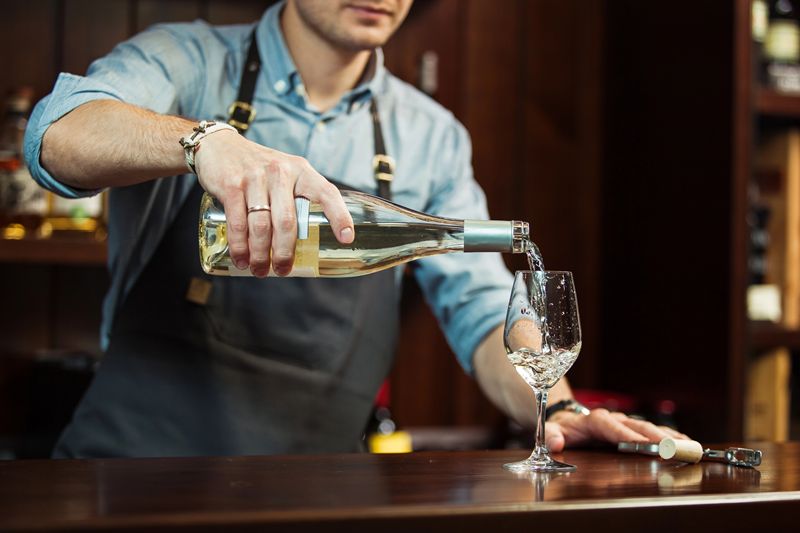
Researchers have posted a new preprint examining whether white wine can be made with less sulfur dioxide while keeping its antioxidant capacity and aromatic character through the use of herbal infusions.
The study, published on Preprints.org, focused on Debina, a Greek white wine variety, and tested wines made with typical and reduced levels of sulfur dioxide, or SO₂. The wines were enriched with saffron, mastic and mountain tea, three ingredients commonly linked to Mediterranean food traditions. According to the monitor summary of the manuscript, the researchers analyzed sulfur dioxide levels, polyphenols, antioxidant activity and volatile compounds, which are key to aroma.
Because the paper is a preprint, it has not yet gone through peer review. That means its findings should be treated as preliminary until they are evaluated by outside experts and, if accepted, published in a scientific journal.
Even so, the topic touches on a practical issue for wineries and other beverage producers. Sulfur dioxide is widely used in winemaking because it helps protect wine from oxidation and microbial spoilage. At the same time, producers have faced growing pressure to reduce additives where possible, both because of consumer preferences and because any future regulatory changes could tighten expectations around labeling or use levels. If herbal infusions can help preserve antioxidant properties and support aroma in lower-SO₂ wines, that could offer a useful path for product development, especially in categories where “reduced sulfites” or more natural positioning carries market value.
The available source material does not provide the full numerical results of the experiments, nor does it include the authors’ detailed conclusions. But the stated aim is clear: to test whether adding botanicals such as saffron, mastic and mountain tea can offset some of the technological role that sulfur dioxide plays in white wine.
That question matters because sulfur dioxide remains one of the most effective tools in cellar management. Lowering it can affect shelf life, freshness and sensory stability. White wines are especially sensitive because they tend to show oxidation more quickly than many reds. Any strategy that reduces SO₂ without weakening aroma or antioxidant protection would draw attention from producers working in premium wine, low-intervention wine and export markets where stability during transport is critical.
The choice of botanicals also points to another trend in beverages: the use of regional ingredients to create differentiation. Herbal-infused wines sit at the intersection of traditional winemaking and flavored or aromatized beverage innovation. For wineries looking to stand out in crowded markets, ingredients tied to local identity may offer both technical and marketing appeal, though much would depend on how consumers respond to flavor changes and how regulators classify such products in different countries.
For now, the preprint adds to a broader line of research into alternatives or complements to sulfur dioxide in wine. Scientists and producers have been studying plant extracts, tannins, antioxidants and processing techniques for years as ways to reduce reliance on sulfites while maintaining quality. This new work appears to place herbal infusion within that discussion by looking not only at antioxidant potential but also at volatile profile, a central measure of how a wine smells.
Until the full paper is formally reviewed and more complete data are available, the study should be seen as an early scientific report rather than settled evidence. Still, it highlights an issue that remains important across the beverage business: how to balance product stability, sensory quality, health-related concerns and changing consumer expectations without compromising what ends up in the glass.
