Climate change is pushing Chile’s wine industry south from the Maule Valley
A study found 63% of the country’s vineyard areas face higher climate risk, with Biobío and Ñuble gaining appeal
2026-06-22
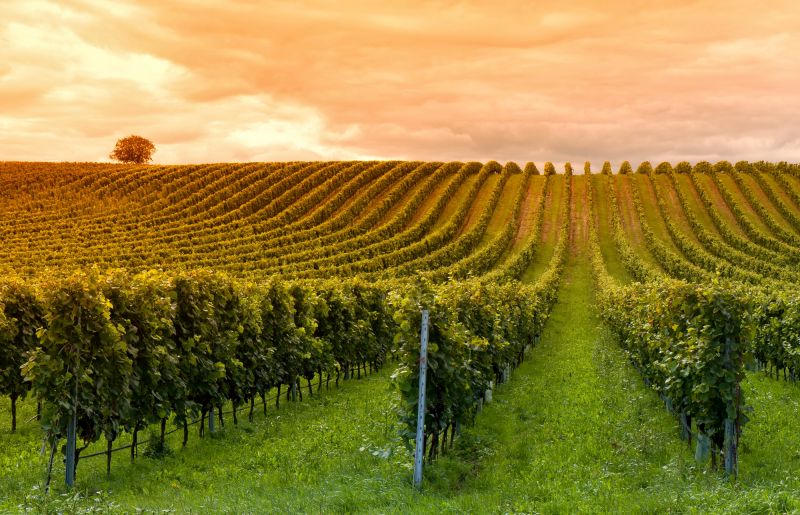
Chile’s Maule Valley, the country’s largest wine-producing region, faces growing pressure from climate change as rising temperatures and lower rainfall are expected to push more vineyard development farther south, according to a study by researchers at the University of Chile.
Maule currently produces about 45% of Chile’s wine, but the research found that future climate conditions could make large parts of the country’s traditional vineyard areas more vulnerable. The study, published last year in the journal Agriculture, examined climate risk in Chilean viticulture through a localized index focused on semi-arid and Mediterranean regions.
The researchers said municipalities in mountainous areas with tundra and semi-arid climates, including parts of Atacama, Coquimbo and Valparaíso, showed the highest sensitivity to climate change. They linked that exposure to late frosts and extreme weather events such as heavy rain and snowfall, which can raise the risk of landslides and slope instability.
For the current period, defined in the study as 2017 to 2024, 31% of the country’s viticulture areas were classified as low risk, 56% as medium risk and 13% as high risk. But the outlook worsens in projections for 2046 to 2065.
According to the study, 63% of viticulture areas are expected to face higher climate risk over that later period, especially in semi-arid and Mediterranean zones. The researchers attributed that increase to greater climate exposure and sensitivity driven by higher temperatures and declining rainfall.
The study said the climate crisis is likely to alter Chile’s wine map by shifting production toward the south, mainly to Biobío and Ñuble. Those regions, where Mediterranean and temperate climates now prevail, could become more suitable for vineyards as conditions deteriorate in hotter and drier areas farther north.
The researchers also pointed to a need for more irrigation and broader water infrastructure investment in existing wine regions if producers are to adapt to changing conditions. Even so, they said climate change is expected to reshape where viticulture can expand in Chile in the coming decades.
