British hospitality tipping rate fell by half as contactless payments reshaped customer behavior
Only 5.5% of customers left tips, down from 10.9%, even as the average gratuity rose to £14.39
2026-06-19
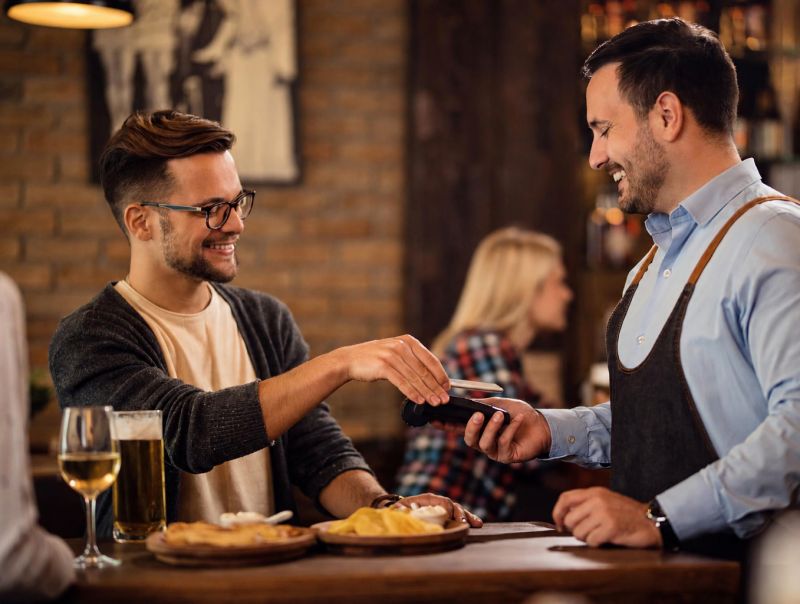
Fewer customers in the United Kingdom are leaving tips in bars, restaurants and other hospitality venues, even as the average amount left by those who do tip has risen sharply, according to payment data analyzed by URocked and Paynt.
The companies said the share of hospitality customers leaving a tip fell to 5.5% between June 2024 and February 2026, down from 10.9% two years earlier. Over the same period, the average tip value increased from £4.87 to £14.39.
The data points to a strong link between payment method and tipping behavior. Contactless transactions made up 62.6% of all payments in the period studied and posted the lowest tipping rate, at 4.6%. By contrast, 14.9% of customers paying by chip card left a tip.
Swati Deshpande, marketing manager at Paynt, said the figures show a clear shift in tipping habits across the British hospitality sector and suggest that payment methods are shaping customer behavior at the moment of payment. She said fewer customers are choosing to tip, but those who do are leaving more.
The findings matter for pubs, bars and restaurants where beverage sales are central to revenue, because changes in tipping behavior can affect front-of-house earnings and may influence how operators design checkout systems, present gratuity prompts and manage service on busy trading periods. In food-and-drink venues especially, the data suggests that the way a bill is paid may play a growing role in whether staff receive a tip.
URocked and Paynt found that midweek evenings produced the strongest tipping patterns. Wednesday recorded the highest tipping rate at 11.1%, while Thursday had the highest average tip value at £8.52. The 7 p.m. to 9 p.m. period generated the highest average tip amounts in the food-and-drink sector, ranging from £8.37 to £9.61, which the companies linked to dinner service.
Saturday, despite being the busiest day for hospitality transactions, had one of the weakest tipping rates at 6.1%, less than half the midweek level cited in the analysis.
The figures come as contactless payments continue to dominate everyday spending in Britain and as hospitality businesses face pressure to make digital payment systems work better for both customers and staff. Deshpande said businesses should consider how the payment experience affects discretionary actions such as tipping and make gratuities easier and more intuitive within the payment process.
The shift also comes after the British government updated tipping legislation, adding another layer of attention to how gratuities are collected and distributed across the sector.
