China Threatens Retaliation Over EU Trade Tool
Beijing warns of “resolute countermeasures” if Brussels moves to curb Chinese industrial overcapacity.
2026-05-26
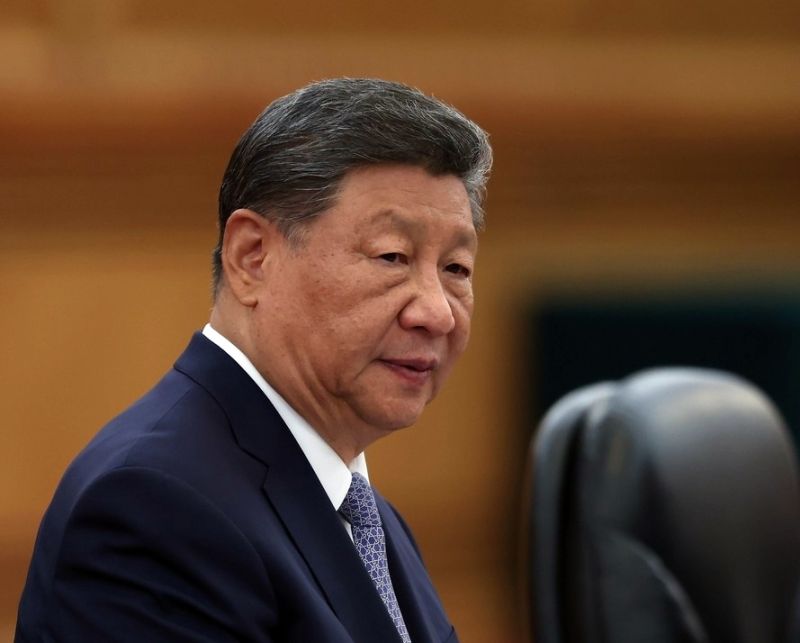
China warned Thursday that it could take “resolute countermeasures” if the European Union moves ahead with a new trade tool aimed at limiting what Brussels sees as Chinese industrial overcapacity, raising the risk of another round of retaliation between two of the world’s largest trading powers.
The warning came from He Yadong, a spokesman for China’s commerce ministry, during a news briefing in Beijing. He said that if the EU starts labeling trade surpluses as “overcapacity,” then European exports of automobiles, pharmaceuticals, wine and cosmetics could also be described that way. He urged the bloc to return to dialogue and consultation and to take steps that would support China-EU economic and trade relations.
The dispute centers on a proposed EU “overcapacity instrument” that would give the European Commission new powers to restrict access for Chinese products in certain market sectors. The measure is expected to be discussed by the college of commissioners next week, on May 29, according to officials familiar with the plan.
European officials say the proposal is meant to address what they see as a structural imbalance in global production and consumption. They say China now accounts for about 30% of global production but only 13% of consumption, a gap that Brussels argues has contributed to pressure on European industries. The commission is also weighing legal changes that would require European companies to source critical components from at least three different suppliers, part of a broader effort to reduce dependence on foreign imports of goods such as fertilizers, medicines and rare minerals.
The Chinese response reflects a broader deterioration in trade ties between Beijing and Brussels. The two sides have been locked in disputes for years over electric vehicles, steel, subsidies and market access, with little progress in sector-by-sector talks. Negotiations over minimum pricing for Chinese electric vehicles in exchange for the EU dropping tariffs of up to 35% have not produced an agreement.
Brussels has also moved to curb steel imports by 47% this year, a step EU officials say was driven by excess supply from China and the need to protect European producers from unfair competition. Despite those efforts, the EU’s trade deficit with China rose to €360bn in 2025 and is expected to widen further in 2026.
The tension comes as Beijing seeks to manage its relations with major powers on several fronts. President Xi Jinping hosted Russian President Vladimir Putin on Wednesday, days after meeting with President Donald Trump, with trade among the topics discussed. The EU’s own trade relationship with Washington has also been strained over the past 18 months, adding another layer of uncertainty for exporters and manufacturers across Europe.
At an EU-China conference last Friday, Jorge Toledo, the EU ambassador to China, described the future relationship between the two sides as one of “systemic rivalry.” He said it would depend on whether European concerns were taken seriously on market access, subsidies, industrial capacity, critical raw materials, security, human rights and China’s position on Russia’s war against Ukraine.
