Italy’s Dealcoholized Wine Market Is Set to Surge
Producers expect output to jump 90% in 2026 as domestic wineries move to expand after legal delays.
Wednesday, April 15, 2026
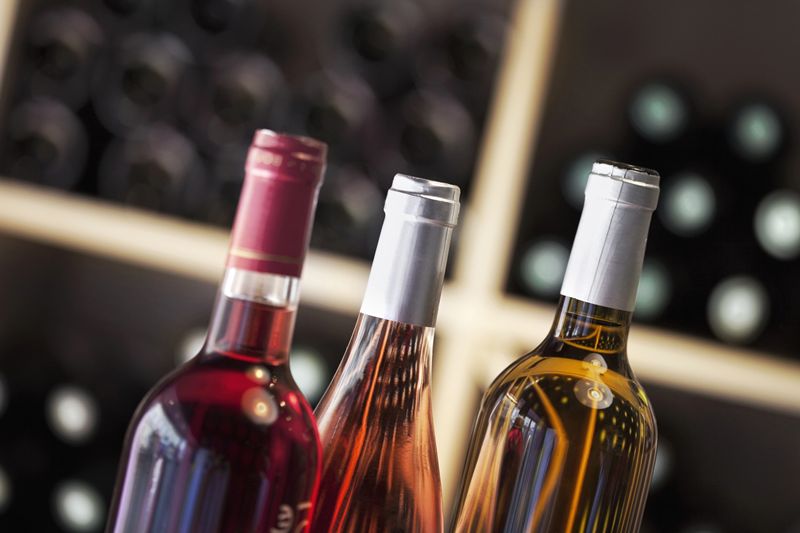
Italy’s market for dealcoholized wine is expected to expand sharply in 2026, with production forecast to rise 90% as domestic producers begin scaling up after years of legal delays, according to an industry study presented in Verona by the Uiv-Vinitaly Observatory.
The report said the sector is still small but gaining traction abroad, where no- and low-alcohol wines already generated more than €1.2 billion in supermarket sales in Germany, Britain and the United States in 2025, equal to about 160 million bottles sold. Italy has so far supplied much of that demand from overseas, but producers are now preparing to build more of the category at home.
The study found that 91% of sales from Italian companies making or planning dealcoholized wines are expected to go to export markets, while 77% of distribution is concentrated in retail. About half of the companies surveyed said they plan to start production in Italy. Veneto is leading the sector, reflecting its role as one of the country’s main wine regions and a base for several producers investing in the new category.
The findings suggest that the market is still being shaped by foreign demand. Italian dealcoholized wines currently hold about 2.5% of market share, mainly in Germany and Britain. But the report said that could change as more producers enter the field and as consumer awareness grows.
Among product types, no-alcohol wines account for 54% of listings, while beverages described as wine-based drinks have risen sharply, from 3% in 2025 to 27% now. The strongest export targets remain North America, especially the United States and Canada, along with Germany, Austria and Switzerland. Producers also pointed to emerging opportunities in Mexico, Poland and China, as well as in the Middle East and Africa.
The study said alcohol-free products are performing better than low-alcohol wines in global demand trends. Sparkling zero-alcohol wines appear to be doing especially well. In Britain, sales rose 24%, with Italian products up 17%. In the United States, sales increased 15%, while Italian sparkling zero-alcohol wines were up 200%, according to the analysis based on NielsenIQ and IWSR data.
Health remains the main reason consumers choose these products, but quality is becoming more important. The share of respondents citing better product quality and greater awareness of the category rose to 35%, the report said. Still, taste remains a barrier for many buyers. Paolo Castelletti, secretary general of Unione Italiana Vini, said flavor was still holding back 25% of potential customers, though that share has been falling as quality improves.
The report also showed that Italy remains a difficult market for no- and low-alcohol wines. Among non-drinkers of alcohol surveyed, 94% said they had not bought a no-alcohol product in the previous six months. That figure rose to 98% among younger consumers and fell to 89% among older ones. When asked why they would buy such products, driving was the top reason at 50%, rising to 56% among Gen Z consumers.
Restaurants have been slow to embrace the category. In a separate survey by Fipe-Uiv on wine and dining conducted with Vinitaly, 71% of restaurants said they were not interested in putting dealcoholized wines on their lists, while only 3% said they already offered them successfully.
Federico Bricolo, president of Veronafiere, said Vinitaly was trying to capture business potential in the segment through NoLo Vinitaly Experience, an area dedicated to no- and low-alcohol wines with specialized exhibitors and scheduled tastings and master classes.