Lugana wines from Lake Garda gain global acclaim as exports and demand surge
Historic Italian white wine region thrives on strict standards, diverse styles, and growing international recognition led by Germany and the US
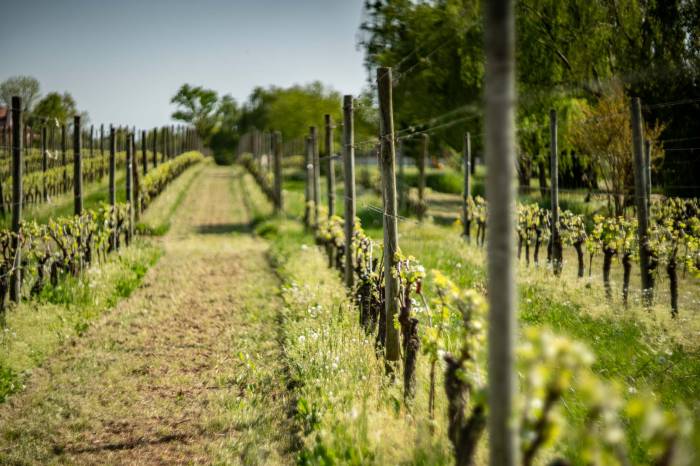
Lugana wines from the southern shores of Lake Garda in northern Italy have become a global success story, with Germany leading as the top importer and other countries, including the United States, seeing growing demand. The region’s winemaking tradition dates back to Roman times, as evidenced by archaeological finds and references from the poet Catullus in the 1st century BC. For centuries, Lugana’s vineyards primarily served local needs, but by the 18th century, production expanded for broader markets. The Turbiana grape, now central to Lugana’s identity, was first documented during this period.
The 19th century brought a boom in viticulture as demand increased and local growers invested in expanding and improving their vineyards. International recognition followed in the 20th century, culminating in 1967 with the establishment of the Lugana DOC (Denominazione di Origine Controllata), which set strict production standards. Today, Lugana is one of Italy’s most successful white wines, known for its versatility and quality.
The Lugana wine region covers about 2,560 hectares across five municipalities: Sirmione, Desenzano del Garda, Lonato del Garda, Pozzolengo (all in Lombardy), and Peschiera del Garda (in Veneto). The landscape features gentle hills and plains shaped by Ice Age moraine deposits. The climate is mild and temperate, influenced by Lake Garda’s moderating effect on temperatures and by local winds—the cool Peler from the north and the warm Ora from the south—which help maintain healthy vineyards.
Soils in Lugana are predominantly clayey and calcareous with high mineral content. These soils retain water well during dry summers and provide good drainage near the lake, contributing to the minerality that defines Lugana wines. The main grape variety is Turbiana (also called Trebbiano di Lugana), which must make up at least 90% of any Lugana DOC wine. Other permitted varieties include Trebbiano Toscano, Garganega, Chardonnay, and Sauvignon Blanc, but together they can account for no more than 10%.
Production rules are strict: vineyards have limits on vine density and require regular pruning; wines cannot be enriched with sugar; and all Lugana DOC wines must mature on their lees for at least three months. An independent commission regularly tests wines to ensure they meet DOC standards before they can be sold under the Lugana name.
Lugana wines come in several styles. The classic Lugana DOC is fresh and versatile, with straw-yellow color and aromas of white flowers, citrus fruits, green apples, and almonds. On the palate it is dry with lively acidity and a mineral finish. Lugana Superiore DOC is made from carefully selected grapes with longer aging for greater complexity—showing deeper color and flavors of ripe fruit, honey, almonds, and herbs.
Lugana Riserva DOC represents the highest tier. Produced only in exceptional vintages from top vineyards, it undergoes extended aging in wood barrels and bottles. This wine offers deep color with golden reflections and complex aromas of dried fruit, nuts, spices, vanilla, and roasted notes. It is full-bodied with silky tannins and a long finish.
Lugana Spumante DOC is a sparkling wine made mostly using tank fermentation but sometimes traditional bottle fermentation. It has fine bubbles with aromas of brioche, yeast, citrus fruits, and white flowers—fresh on the palate with elegant acidity. Lugana Vendemmia Tardiva DOC is a late-harvest sweet wine made from grapes picked later in the season—sometimes affected by noble rot—which results in rich flavors of honey, apricots, candied fruit, nuts, and spices.
The economic impact of Lugana wine is significant for the region. Viticulture provides jobs while wine tourism brings additional revenue. Exports are strong not only to Germany but also Switzerland, Japan, and increasingly to the United States. Rising demand has led to higher prices and greater income for producers.
Lugana’s reputation for quality makes it an attractive choice for wine merchants worldwide. Its protected designation of origin ensures authenticity while its range of styles appeals to both casual drinkers and connoisseurs. The wines’ food-friendly character makes them popular in restaurants as well.
With its deep roots in history, unique terroir shaped by Lake Garda’s climate and soils, strict production standards, and broad appeal across different styles—from crisp whites to complex reserves—Lugana continues to strengthen its position as one of Italy’s most important white wines on the international stage.

Founded in 2007, Vinetur® is a registered trademark of VGSC S.L. with a long history in the wine industry.
VGSC, S.L. with VAT number B70255591 is a spanish company legally registered in the Commercial Register of the city of Santiago de Compostela, with registration number: Bulletin 181, Reference 356049 in Volume 13, Page 107, Section 6, Sheet 45028, Entry 2.
Email: [email protected]
Headquarters and offices located in Vilagarcia de Arousa, Spain.