Restaurants shift focus to boosting average check as industry faces rising costs and changing consumer habits
Menu design, staff training, technology, and special events drive higher guest spending while maintaining positive dining experiences
2025-05-03
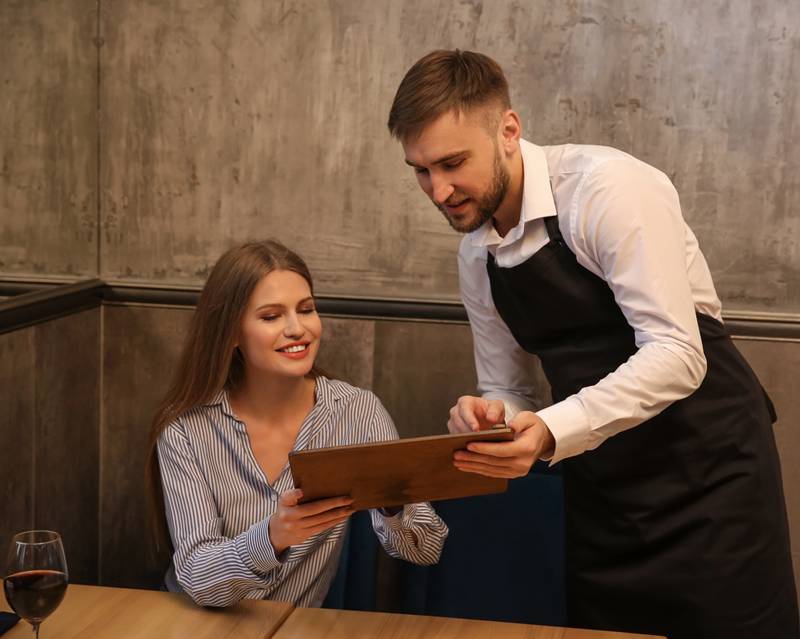
Restaurants and bars across the United States are focusing on increasing the average check as a way to boost profitability without relying solely on attracting more customers. This approach has gained traction in recent years, especially as the industry faces rising costs and changing consumer habits. Operators are turning to a range of strategies that encourage guests to spend more per visit, while maintaining a positive dining experience.
One of the most effective methods involves strategic menu design. Restaurateurs are carefully curating their menus to highlight higher-value dishes and placing them in prominent positions. Research shows that diners tend to remember and choose items listed at the top of each section, so many establishments now position their most profitable or expensive options in these spots. The same principle applies to wine lists, where guests often select from the first few bottles they see.
Staff training is another key factor. Servers who are well-versed in the menu can make informed recommendations based on customer preferences. By listening actively and suggesting suitable extras—such as appetizers, desserts, or full bottles of wine instead of single glasses—servers can naturally increase the total bill. Cross-selling also plays a role; for example, when a guest orders a steak, suggesting a complementary side dish or a specific wine pairing can add value without feeling pushy.
Beverage presentation is increasingly important. Many restaurants now offer balanced wine lists with a range of price points and origins, making it easier for guests to find something within their budget. Some venues have introduced personalized pairings or prix fixe menus that include drinks and dessert, ensuring a higher spend per guest while streamlining the dining experience.
Timed promotions are also being used to drive up average checks. Offering tasting menus during dinner service or special set menus on weekends encourages guests to order multiple courses, which increases overall spending. These menus are designed with both cost control and profitability in mind, allowing restaurants to manage margins while delivering value.
The overall atmosphere of a restaurant can influence spending habits as well. A comfortable environment with appropriate music and attentive service encourages guests to linger and order more. Rushed service or strict time limits can have the opposite effect, leading to lower checks and diminished satisfaction.
Small touches can make a difference too. Suggesting bottled water instead of tap, offering after-dinner cocktails, or providing an expanded selection of specialty coffees and teas can all contribute incremental revenue that adds up over time.
Technology is playing an increasing role in this effort. Digital ordering systems, QR code menus, and table-side tablets allow restaurants to visually showcase daily specials or suggest additional items based on what guests have already ordered. These tools not only speed up service but also create opportunities for upselling in a seamless way.
Special events have become another avenue for increasing average checks. Wine tastings, themed dinners, chef’s tables, and pairing events attract diners who are willing to spend more for unique experiences. Successful execution requires careful planning, effective promotion, and limited seating to ensure quality service.
Understanding customer segments is crucial for tailoring these strategies effectively. Not every diner is willing or able to spend more, so identifying those who are—through loyalty programs, satisfaction surveys, or regular interactions—helps restaurants target their efforts where they will have the greatest impact.
As the hospitality industry continues to adapt to economic pressures and evolving consumer expectations, increasing the average check remains a priority for many operators. The focus is not just on selling more but on enhancing the overall value proposition for guests while supporting business growth. This balanced approach aims to create memorable experiences that benefit both customers and restaurants alike.

Founded in 2007, Vinetur® is a registered trademark of VGSC S.L. with a long history in the wine industry.
VGSC, S.L. with VAT number B70255591 is a spanish company legally registered in the Commercial Register of the city of Santiago de Compostela, with registration number: Bulletin 181, Reference 356049 in Volume 13, Page 107, Section 6, Sheet 45028, Entry 2.
Email: [email protected]
Headquarters and offices located in Vilagarcia de Arousa, Spain.