Vino Nobile di Montepulciano Introduces Pieve Category to Elevate Wine Quality
New tier emphasizes geographic specificity and stricter production standards, enhancing the region's reputation and distinctiveness.
Friday, February 28, 2025

Views › 2888
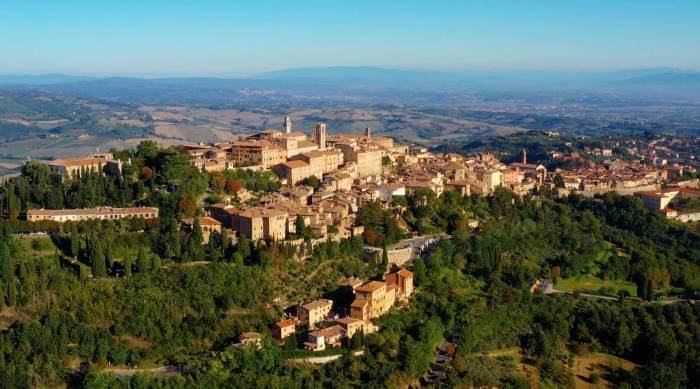
The consorzio overseeing Vino Nobile di Montepulciano DOCG has introduced a new category to enhance the reputation of the region's top wines. This initiative divides the denomination into 12 subareas, whose names can now appear on wine labels. It also establishes a new quality tier above Riserva, called Pieve. This tier is similar to Chianti Classico's Gran Selezione, introduced in 2014, though the consorzio claims their project began earlier. Unlike Gran Selezione, Pieve emphasizes geographic specificity, addressing criticisms about blending grapes from various areas.
Pieve, an old term for parish, refers to historical church territories in Montepulciano, with records dating back to 1765. The 12 subareas include Ascianello, Badia, Caggiole, Cerliana, Cervognano, Gracciano, Le Grazie, San Biagio, Sant’Albino, Sant’Ilario, Valardegna, and Valiano. To label a wine with a specific pieve, grapes must come from vineyards owned or controlled by the producer and located entirely within the named pieve. These vineyards must be at least 15 years old.
The Pieve level also introduces changes to production standards. The minimum proportion of Sangiovese, known locally as Prugnolo Gentile, increases from 70% to 85%. The remaining blend can only include Canaiolo Nero, Ciliegiolo, Colorino, and Mammolo. Pieve wines require a minimum of three years of aging before release, compared to two years for Riserva. This includes at least one year in a barrel and another year in a bottle.