








Médoc Region to Include White Wines Under New Appellation Rules
The change allows Médoc white wines to distinguish themselves from generic Bordeaux labels, pending appeal.
2025-02-14
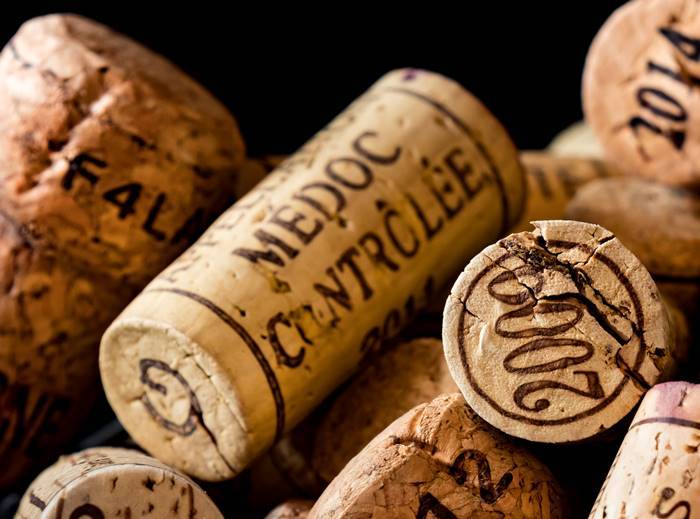
The Médoc region, known for its red wines, is expanding to include white wines. This change follows a decision by France's appellations authority, the INAO, announced recently. Historically, the Médoc, located just north of Bordeaux, has been a red wine-only area. However, white wines from this Left Bank region previously had to use the generic Bordeaux label. The new appellation rules are currently in an appeal stage, lasting two months. If no significant objections arise, the first Médoc white wines could be produced this year.
The Médoc region has about 100 hectares that could qualify for the Médoc blanc status. Overall, white grape plantings in the area are estimated to be double that, but only half will meet the new criteria. Claude Gaudin, president of the producer's group representing Médoc, Haut-Médoc, and Listrac-Médoc appellations, believes this change will help differentiate the region's €12-25 wines from the broader Bordeaux label. Several prestigious labels, such as Château Margaux's Pavillon Blanc and Mouton-Rothschild's Aile d'Argent, are expected to adopt the new appellation. These wines must include at least 30 percent oak-aging for a minimum of six months.
Hélène Larrieu, director of the ODG, explained that the ocean and estuary's proximity gives the wines a unique salinity, which is enhanced by wood tannins. Without these tannins, the wines lose their aromatic complexity. Initially, discussions included grape varieties like Chenin Blanc, Gros Manseng, Viognier, and Chardonnay. However, the final decision only allows current Bordeaux varieties: Sauvignon Blanc, Semillon, Muscadelle, and Sauvignon Gris. There is also a 15 percent allowance for experimental white varieties already used in Bordeaux, such as Floréal and Sauvignac. Chardonnay remains an "accessory" variety, allowed up to 15 percent in Médoc Blanc wines, due to its significant presence in the region.
Originally, the Médoc blanc title was reserved for wines aged and bottled at the estate. However, local wine merchants, known as négociants, opposed this restriction. Now, regulations permit merchants to purchase grapes or wines after the minimum six-month aging period at the estate. Wines cannot be transferred during this aging period.
Jane Anson, a Bordeaux-based writer and expert, noted the long history of white wines in the Médoc, especially in northern areas with limestone soils and maritime influence. The Bordeaux blanc category includes strong names like Pavillon Blanc, and Anson speculates that these producers might not immediately switch to the new appellation. Despite being overshadowed by red wine production, white winemaking in the Médoc dates back to the 18th century. It has historical ties to the Blanquefort region near northern Bordeaux. In the early 20th century, the "Graves de Blanquefort" title covered such wines.
