Organic Wine Defies Challenges, Continues Growth in France
Potential Export Markets and Health Benefits Drive Optimism
Monday, December 16, 2024
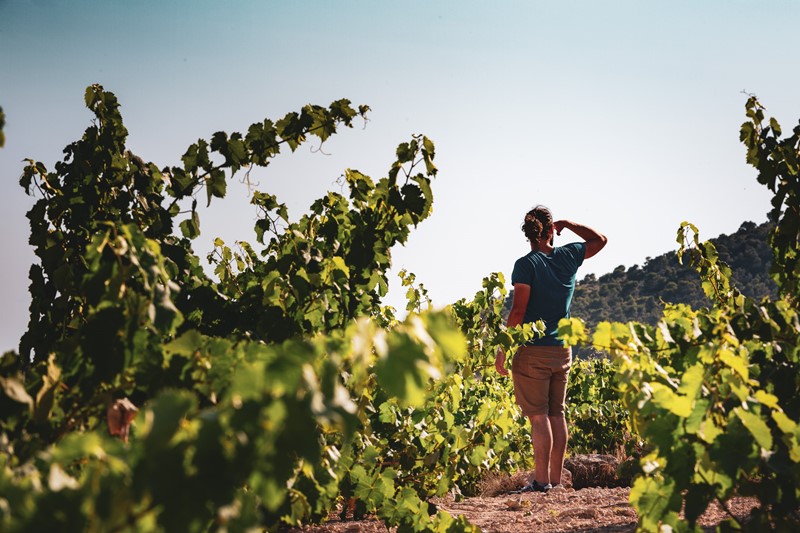
Despite adverse weather conditions and declining demand, organic wine remains resilient. Although the rate of vineyard conversions to organic farming has slowed significantly, new producers continue to join the movement. According to France's Agence Bio, organic vineyard areas grew by 1.6% last year, even as overall organic agriculture declined for the first time in the country. By the end of September 2024, 340 organic winegrowers had ceased operations, but 390 new ones entered the sector.
After two decades of steady growth, organic viticulture now accounts for nearly 22% of France's vineyards, compared to just 6% in 2010. The country boasts the largest organic vineyard area in Europe. However, the sector is grappling with economic and geopolitical uncertainties, as noted by the organizers of Millésime Bio, a major professional wine fair scheduled for late January in Montpellier. They highlighted that the industry faces an imbalance between supply and demand following a boom in conversions between 2018 and 2020, which saw annual increases of over 20%. As Nicolas Richarme, president of the interprofessional association SudVinBio, explained, "There is more supply than demand. Consumers have not kept up with producers."
The organic wine market, valued at 1.5 billion euros—more than a third of which comes from exports—relies heavily on direct sales through wine shops and local markets. This distribution model has shielded the sector somewhat from the pressures faced by mass-market producers, but inflation has still taken a toll.
Richarme described this period as a "pivotal moment" for the industry. He stressed the need to promote organic wine's health and environmental benefits while expanding efforts to gain traction in mainstream retail. Currently, only one in ten bottles sold in France is organic. The slowdown in conversions reflects challenges faced by producers. Some, like Pierre-Henri Cosyns from Côtes de Bourg, noted that the earlier surge in conversions was driven more by market opportunities than deep convictions.
Still, there is optimism. The organic wine market remains slightly easier to navigate than the conventional one, particularly in export markets such as Japan, the United States, and Canada. Organic wine is often available at accessible price points, which supports its appeal to a broader audience.
For many producers, organic winemaking represents a commitment to quality and sustainability. Cosyns emphasized that organic wine's simplicity and integrity resonate globally. He firmly rejected a return to conventional practices, citing concerns over synthetic pesticides and their long-term impacts. "We want to be proud of what we put in the bottle—grapes, and little else," he said.
Nevertheless, some producers are reconsidering their commitment due to difficult harvests caused by climate challenges. For instance, in the Chablis region of northern Burgundy, Julie Fèvre-Moreno reported severe crop losses from mildew exacerbated by heavy rains, despite extensive treatments with Bordeaux mixture. Thomas Ventoura, who embraced organic practices after the birth of his son, now contemplates maintaining organic certification only for his premium wines, depending on how winter weather affects fungal threats.
Despite these challenges, Richarme expressed confidence that the sector will not see widespread abandonment of organic practices. He acknowledged that years with high mildew pressure typically result in a small uptick in deconversions, but he dismissed fears of a crisis.
A survey conducted for Millésime Bio revealed that 88% of 200 winegrowers cited human health preservation as their primary motivation for adopting organic practices. This underscores the enduring commitment of many within the industry, even as they navigate economic, environmental, and climatic uncertainties.