














The Transformation of Marlborough's Landscape
How Marlborough's economy found its new roots
2024-02-05
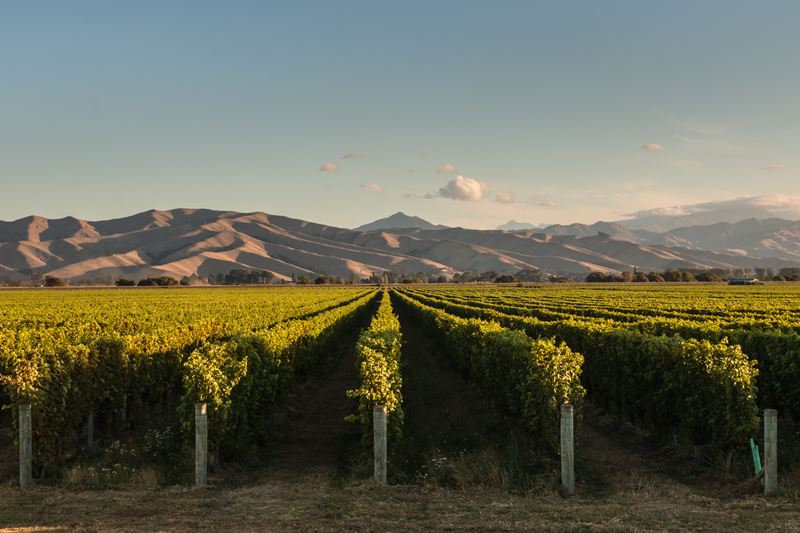
The transformation of Marlborough's landscape from pastoral farmland to a vista dominated by vineyards encapsulates not just the changing economic fortunes of the region but also the adaptability of its people and their land use. This shift, largely driven by the global demand for New Zealand wine, especially from the Marlborough region, renowned for its Sauvignon Blanc, has seen an unprecedented increase in viticulture, changing the face and the economy of the area.
Evan White, the Federated Farmers Marlborough president, offers a personal testament to this change. Having farmed cattle on his 480ha property in the Wairau Valley for over 16 years, the encroachment of vineyards onto traditional pastoral lands was something he once viewed with skepticism. The land he farmed, irrigated by the waters of the Wairau River and supplemented by maize and other feed, is now set to become part of Marlborough's sprawling vineyards, following the sale of his property to a viticultural company.
This tale of transformation is echoed across Marlborough, where the acreage dedicated to viticulture has expanded dramatically from approximately 5,000ha in 1996 to 30,000ha by 2018. Concurrently, pastoral land use has seen a significant reduction. This transition has not been without its challenges, notably the region's dry conditions which pose a significant threat to both traditional and emerging forms of agriculture. The necessity for water storage and efficient water use has become increasingly clear, a point emphasized by White, particularly in light of predictions about the impacts of climate change on the region's weather patterns.
Despite these challenges, the integration of vineyards into Marlborough's economy has brought a measure of stability and prosperity. The diversification into viticulture by some pastoral farmers has not only helped mitigate economic uncertainties but has also contributed to a landscape that is both productive and aesthetically pleasing during the dry Marlborough summers. The region's shift towards viticulture, supported by improvements in water storage and irrigation, suggests a future where both traditional and new forms of land use can coexist and flourish.
The local community's response to this transformation has been largely positive, reflecting a pragmatic acceptance and adaptation to the evolving economic landscape. While pastoral farming remains a crucial part of Marlborough's economy, the wine industry has become a key player, offering new opportunities for growth and development. This adaptability, coupled with government support for improved water management and storage, indicates a robust path forward for Marlborough, ensuring the region can continue to thrive in the face of changing climatic and economic conditions.
Evan White's reflection on the past skepticism towards viticulture, including his own, underscores a broader narrative of change, adaptation, and eventual acceptance. The journey from disbelief to embrace of the vineyards encapsulates a community's resilience and willingness to navigate the complexities of agricultural and economic evolution. As Marlborough continues to adapt and grow, the legacy of pioneers like Daniel le Brun, who envisioned the valley's potential for grape cultivation, serves as a reminder of the vision and perseverance required to harness the opportunities presented by the land and its changing climate.
Marlborough's transition from pastoral farming to viticulture is a testament to the region's adaptability and the foresight of its people. The challenges of water scarcity and climate change loom large, but with continued innovation and investment in sustainable practices, Marlborough is poised to remain at the forefront of New Zealand's wine production, offering a model of economic resilience and environmental stewardship for others to follow.
