Challenges and Triumphs in Italian Winemaking
Italian vintners overcome climatic challenges in 2023 harvest
2023-12-04
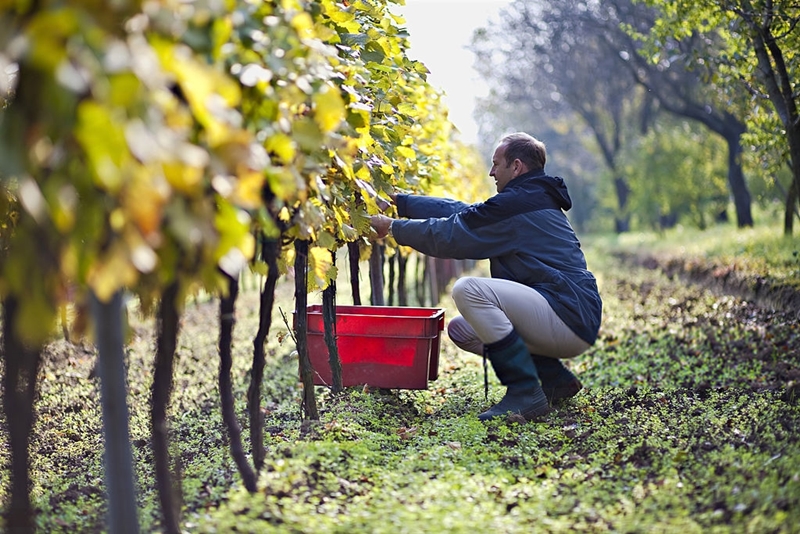
In the verdant vineyards of Italy, 2023 will be remembered as a year of meteorological extremes and resilient winemaking. From the rolling hills of Tuscany to the sun-drenched plains of Sicily, Italian vintners faced a gauntlet of challenges, including unprecedented rainfall, humidity, and fluctuating temperatures. Despite these obstacles, the Italian wine industry is poised to deliver a vintage that speaks volumes about the quality of its grapes and the tenacity of its producers.
The year began with a deluge that drenched much of the Italian peninsula, bringing with it a host of challenges. In Emilia-Romagna, a region renowned for its rich gastronomic heritage, the heavens opened to release six months' worth of rain in a mere six hours. This torrential downpour led to widespread flooding and landslides, significantly affecting the region's vineyards. Similar conditions were reported across central and southern Italy, with regions like Abruzzo, Tuscany, Puglia, and Sicily witnessing substantial declines in wine production.
The impact of the weather varied across Italy's diverse winemaking regions. While central and southern areas grappled with excess moisture, northern regions like Piedmont and Veneto fared comparatively better. Piedmont, accustomed to drier conditions in recent years, welcomed the rain, albeit in moderation. Conversely, the Veneto region, celebrated for its Prosecco, anticipated an increase in wine volumes.
Despite the reduced volumes, Italian winemakers are optimistic about the quality of the 2023 vintage. The lower yields in many regions have been a boon for grape quality, leading to concentrated flavors and potentially exceptional wines. Winemakers like Alessandro Cellai and Alessandro Gallo have expressed satisfaction with the harvest, highlighting the excellent quality of the grapes despite the reduced quantities.
One of the year's most significant challenges was the rampant spread of peronospora (downy mildew) and oidium (powdery mildew), exacerbated by the persistent humidity. These fungal diseases ravaged vineyards, particularly in Chianti Classico and Montepulciano, with significant losses reported. Additionally, the unexpected temperature swings, especially in Piedmont, posed a further challenge, affecting varietals like Dolcetto, while favoring others like Nebbiolo.
The 2023 vintage underscores the necessity for Italian winemakers to adapt to an increasingly unpredictable climate. The variability in weather patterns has prompted vintners to employ both traditional and innovative methods to safeguard their crops. Consulting enologist Riccardo Cotarella emphasized the importance of technical and scientific knowledge in mitigating the impacts of climate change on winemaking.
Despite the challenges, the sentiment within the Italian wine community remains positive. The 2023 harvest, albeit smaller in volume, is expected to yield wines of high quality and distinct character. As the industry navigates the complexities of a changing climate, the resilience and adaptability displayed this year will be crucial in shaping the future of Italian winemaking.
As Italy's vintners look beyond the tumultuous 2023 season, they do so with a sense of accomplishment and anticipation. The year's hardships have not only tested their resolve but also reaffirmed the enduring spirit of Italian winemaking. The wines of 2023, born from adversity, will undoubtedly tell a compelling story of resilience, quality, and the unyielding passion of Italy's winemakers.

Founded in 2007, Vinetur® is a registered trademark of VGSC S.L. with a long history in the wine industry.
VGSC, S.L. with VAT number B70255591 is a spanish company legally registered in the Commercial Register of the city of Santiago de Compostela, with registration number: Bulletin 181, Reference 356049 in Volume 13, Page 107, Section 6, Sheet 45028, Entry 2.
Email: [email protected]
Headquarters and offices located in Vilagarcia de Arousa, Spain.