U.S. Trade Report Targets E.U. Wine Labels
The report says labeling rules for alcoholic beverages can raise costs and delay shipments for American exporters.
2026-04-15
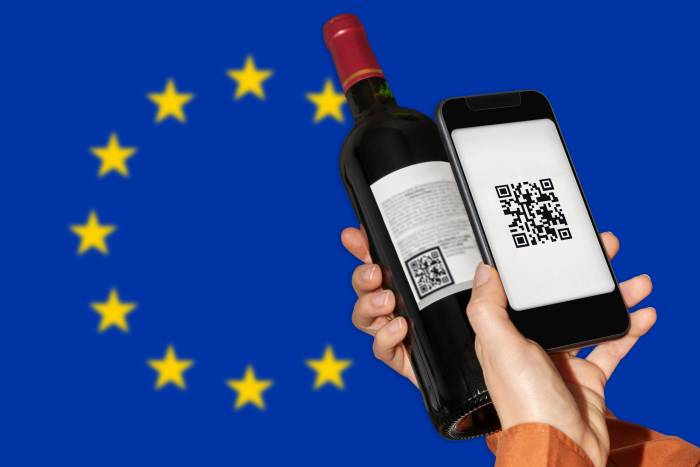
The Office of the United States Trade Representative said in its 2026 National Trade Estimate Report that European Union rules on wine and alcoholic beverages remain a concern for U.S. exporters, citing labeling requirements that it said can add cost and delay shipments to the bloc.
The report, released by USTR and dated April 14, pointed to the EU’s so-called wine package, which requires nutrition and ingredient information for wine sold in the European market. Under the rule, producers may provide that information through a QR code rather than printing it directly on the bottle. The requirement took effect on Dec. 8, 2023, and applies across the European Union.
USTR said the measure can create compliance burdens for American wineries that sell into Europe, especially smaller producers that must adapt labels, packaging and digital disclosures to meet local rules. The agency did not say the EU had barred U.S. wine imports, but it framed the labeling system as a trade barrier because it can raise administrative costs and complicate market access.
The report also flagged health warning labels in Ireland as another issue affecting alcohol exports. Ireland has moved ahead with rules requiring warnings on alcoholic drinks, including messages about cancer risk and pregnancy. USTR said those warnings could affect how U.S. wine and spirits are marketed in that country and could add another layer of regulatory complexity for exporters already dealing with EU-wide labeling standards.
The concerns come as U.S. wine producers continue to look for growth in Europe, where consumers buy large volumes of imported wine but where national and regional rules can differ sharply from one market to another. Industry groups have long argued that even when a rule is not a formal ban or tariff, changes in labeling can force companies to redesign packaging, update supply chains and revise compliance systems before products can be sold.
USTR’s annual trade estimate report is used by the administration to identify foreign barriers that it says limit U.S. exports of goods and services. In agriculture and food products, labeling rules often draw close attention because they can affect shelf placement, shipping schedules and costs for producers trying to enter or expand in overseas markets.
For wine exporters, the issue is especially sensitive because labels are often printed months before bottles reach stores. Any change in required wording, format or disclosure method can mean new production runs and added expense. That can be manageable for large multinational brands but more difficult for smaller wineries that rely on limited batches and seasonal shipments.
The report did not announce any new action against the European Union over the labeling measures. But by listing them as barriers, USTR signaled that the administration sees them as part of a broader set of trade frictions between the United States and Europe over agricultural regulation, consumer information rules and market access for alcoholic beverages.
