Pioneering Frost Protection: Burgundy's research on pruning and desuckering
Insights from the PhysioVigne Project on enhancing frost resistance in vineyards
2024-02-09
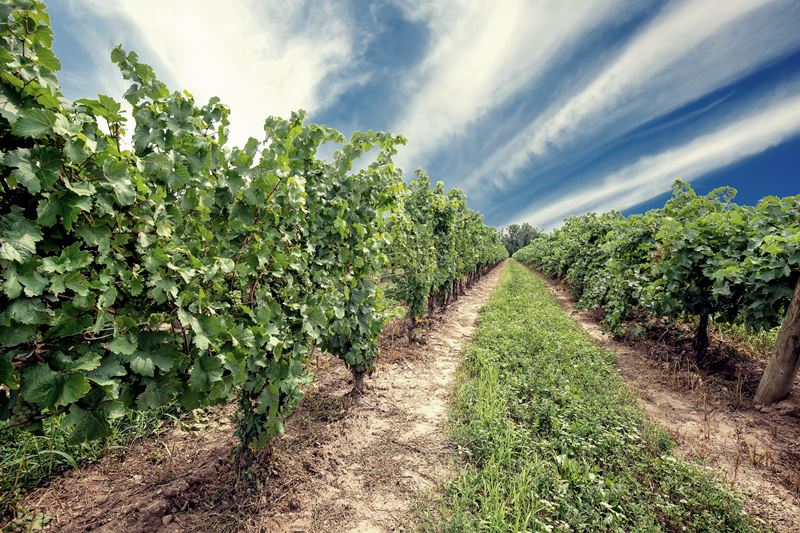
In the heart of Burgundy, a region synonymous with the art of viniculture, a pioneering initiative dubbed 'PhysioVigne' is making significant strides towards mitigating the perennial challenge of spring frosts—a menace to vineyards that can devastate budding grapes and, by extension, the year's harvest. Initiated in 2022, this collaborative venture brings together a consortium of wineries and researchers dedicated to exploring innovative agronomic practices. Their efforts have already begun to yield compelling insights, particularly concerning late pruning and post-frost desuckering techniques.
The PhysioVigne project embarked on its experimental journey by delving into the practice of late pruning. Traditional pruning methods typically see vineyards trimmed in February. However, the project's researchers hypothesized that delaying this process could potentially offset the timing of bud-burst, thus reducing the vulnerability of new buds to late spring frosts. To test this theory, conventional February pruning was compared against late March and very late April pruning across Chardonnay and Pinot vineyards over the course of three vintages: 2021, 2022, and 2023.
The findings from these experiments revealed a nuanced picture. Delaying pruning did indeed postpone bud-burst by up to eight days, which could theoretically offer a buffer against unexpected frost events. Yet, this practice was not without its trade-offs. In two out of the three vintages studied, the delay led to a marked reduction in both the number of clusters and overall yield. This underscores a critical caution: late pruning, if done after the crown buds have burst, can significantly deplete the vine's carbon reserves at a crucial time, potentially compromising the plant's health and productivity.
Simultaneously, the consortium explored the effects of post-frost desuckering—a technique applied after frost events with the aim of removing non-fruitful shoots (suckers) to focus the vine's energy on the recovery of productive parts. Through comparative trials conducted on frost-affected vineyard blocks within the consortium, researchers assessed the impact of desuckering on yields and vine recovery post-frost. The results of these trials presented a more ambiguous outcome. While desuckering did not markedly improve yields, it facilitated a modest acceleration in the vine's recovery from the physiological setbacks induced by frost. Notably, the research also illuminated variations in bud fertility based on their location on the vine and the type of canes, providing valuable insights into vine management practices post-frost.
These initial findings from the PhysioVigne project represent a critical step forward in the quest to fortify Burgundy's vineyards against the capriciousness of spring frosts. While the results offer promising avenues for reducing frost damage, they also highlight the complexities and potential trade-offs involved in adjusting pruning and desuckering practices. As the project continues to unfold, further research will be essential to refine these techniques and develop comprehensive strategies that balance the need for frost protection with the imperatives of yield and vine health. For the storied wineries of Burgundy, the stakes are high, as the region's reputation for producing some of the world's finest wines hinges on navigating the myriad challenges posed by climate and cultivation alike.

Founded in 2007, Vinetur® is a registered trademark of VGSC S.L. with a long history in the wine industry.
VGSC, S.L. with VAT number B70255591 is a spanish company legally registered in the Commercial Register of the city of Santiago de Compostela, with registration number: Bulletin 181, Reference 356049 in Volume 13, Page 107, Section 6, Sheet 45028, Entry 2.
Email: [email protected]
Headquarters and offices located in Vilagarcia de Arousa, Spain.