Record Heat and Drought Cut Crop Yields in Germany
The national weather service said grape picking ended unusually early in 2026, with a smaller harvest expected despite a promising vintage
Saturday, November 28, 2026

Views › 470
On Friday, November 27, Germany’s national weather service said the country’s 2026 harvest year was shaped by a sharp swing from a relatively snowy winter to a dry, very hot second half of the year, a pattern that cut several crop yields and brought an earlier and likely smaller wine harvest.
The German Weather Service, known as DWD, said the 2026 growing season was marked by strong regional contrasts and repeated weather extremes. Its meteorological review said winter snow and cold spells initially helped stabilize soil moisture in some parts of Germany, but that support faded as spring turned dry and sunny for long stretches, accelerating plant growth while quickly draining moisture from the ground.
The agency said summer grain could be sown about a week earlier than usual in March because fields dried out quickly. But late cold snaps also caused damage. A cold spell at the end of March hurt early-blossoming fruit trees in some places, and stronger frost in April caused widespread damage in Saxony. By then, the report said, vegetation was developing about a week faster than in recent years.
Rain in spring eased early dryness in parts of central northern Germany, according to DWD, but southern areas saw far less relief. The agency said the south received only about one-third of its usual spring rainfall, leaving crops under increasing drought stress even though cooler, unsettled weather with rain returned for a time in May.
DWD said the season then split into two very different phases. June began with unstable weather, occasional rain, thunderstorms and moderate temperatures. Field work was temporarily disrupted in areas from North Rhine-Westphalia to southern Lower Saxony. But from late June, high pressure returned and repeatedly pulled hot to extremely hot air into Germany, producing several prolonged heat waves that were only briefly interrupted by local storms.
The service said one of the most notable moments came from June 26 through June 28, when the temperature in Möckern-Drewitz in Saxony-Anhalt reached 41.8 degrees Celsius, setting a new national all-time record. It linked the extreme heat to persistent high pressure and said the broader summer became the second warmest since records began.
The heat was accompanied by severe dryness, especially in the south, where DWD said conditions were in some places even drier than during the major drought year of 2018. The report said wildfire risk stayed high for more than 30 days at level 4 or above, and that large forest fires broke out in many places.
Severe storms also caused local crop losses. DWD said July brought heavy thunderstorms in parts of southern Germany, including very large hail in some areas that led to total crop failure at individual sites. On August 19, a severe storm line with hurricane-force gusts and numerous tornadoes crossed central Germany, causing major vegetation damage and further local harvest losses.
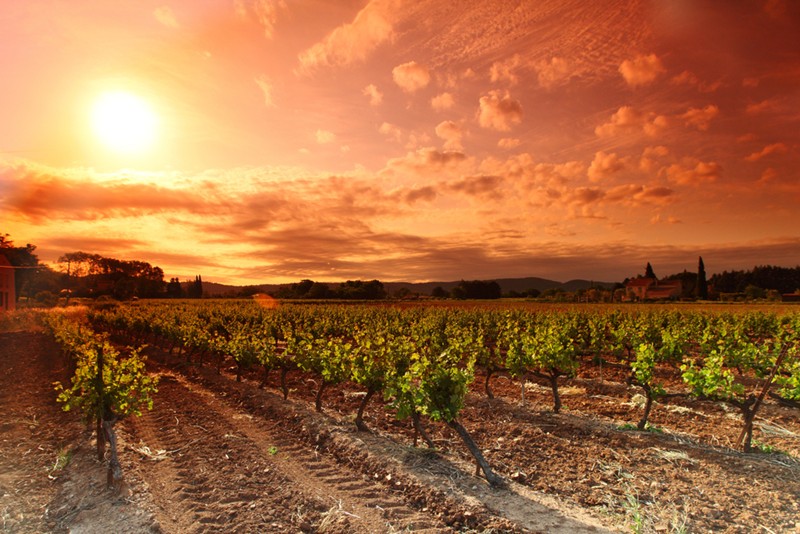
Against that backdrop, the wine harvest started unusually early. DWD said warmth and heat led to a harvest that began as early as late August. By the end of September, the grape harvest was already finished, far earlier than normal. The agency said the year was dry in Germany’s wine-growing regions, and that a smaller harvest is expected, though it also described the vintage as likely to be of good quality.
That assessment could matter beyond the farm sector. A smaller grape crop may affect wine availability and purchasing plans, while the quality outlook could support demand in some segments. The season also adds to pressure on vineyards to adapt to heat and water stress if similar conditions become more common.
DWD’s review covered the wider farm economy as well. It said cereal production, excluding grain corn, fell 7.3% from the strong 2025 harvest and was 2.1% below the six-year average. The agency also pointed to weaker fruit output. Apple production was 18% below the previous year and 5% below the 2016-2025 average. Cherry production moved in the opposite direction, with DWD saying output was expected to rise by about 4%, helped by periods of rain that still arrived at key times.
The report described 2026 as a year in which the first half was wetter and the second half exceptionally dry, with a strong northeast-southwest divide in some crops and clear differences between regions. In the southwest, vegetation emerged from winter dormancy as early as February in some places, while the colder northeast stayed dormant longer. DWD said that contrast set the stage for uneven development from the start of the season.
By early fall, measurable rain returned and moistened topsoil, but DWD said deeper soil layers remained well below needed thresholds. Soil moisture in the south kept falling toward the end of September, prolonging drought stress and browning in plants. The lack of moisture also delayed some autumn field work, with sowing of winter rapeseed held back in some areas because the ground remained too dry for too long.
The weather service framed the year as an example of how a single season can produce very different outcomes across crops. Earlier sowing, frost damage, heat stress, violent storms and drought all shaped results in different ways, leaving German farmers with a harvest that was in some cases smaller, in some cases earlier, and highly dependent on where crops were grown and when rainfall arrived.