Italy’s wine industry seeks a 2027 freeze on new vineyard authorizations
The request to MASAF reflects rising concern over oversupply, with possible exemptions for young growers and landscape-protection areas
Wednesday, November 25, 2026

Views › 200
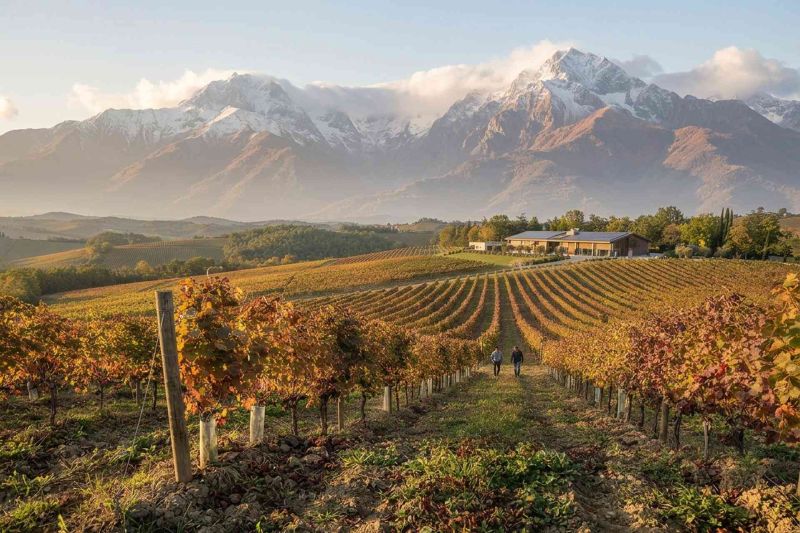
Italy’s wine sector is weighing a one-year halt to new vineyard planting authorizations in 2027 as producers and officials respond to a market that is struggling to absorb existing supplies.
Confagricoltura Belluno, a local branch of the Italian farm association Confagricoltura, said on November 25 that the proposal was discussed at a wine industry meeting convened by Italy’s Agriculture Ministry on November 13. According to the association, the industry asked the Ministry of Agriculture, Food Sovereignty and Forests, known as MASAF, to suspend the release of new authorizations for vineyard plantings during 2027.
The proposal is not yet a government measure, and no binding rule has been adopted. Confagricoltura Belluno said MASAF received the request but will consult Italy’s regions before making a decision because conditions vary sharply across the country’s wine-growing areas.
The request centers on the system Italy uses to regulate vineyard expansion. New plantings are controlled through authorizations, which are a tool for managing productive capacity in the wine sector. The industry group did not publish figures for how many hectares could be affected or how much production growth might be avoided if the suspension were approved.
The main reason given for the proposed pause is weak market absorption. Confagricoltura Belluno said there is currently more wine in cellars than the market can take in, prompting parts of the supply chain to seek a temporary brake on future output rather than continued expansion. The group presented the measure as an attempt to contain additional supply at a time when inventories are already building.
Possible exceptions are still being discussed. According to Confagricoltura Belluno, they could include areas where wine production is limited but vineyards play an important role in protecting the landscape and maintaining rural land. Other possible exemptions mentioned by the group include farms run by young producers and businesses that sell all of their output and do not accumulate unsold stock. The association said those cases would need to be evaluated individually.
The issue arose during a broader policy meeting at MASAF that covered several matters affecting the wine business. Confagricoltura Belluno said the ministry also presented a plan for a national collective label for sustainably produced Italian wine. The proposed label would be voluntary and could appear on bottles alongside company labels and other sustainability certifications already used by producers, including Equalitas and VIVA.
The sustainability label would build on a national certification path that began in 2022, according to the association. Confagricoltura Belluno said the industry’s response to that idea was broadly favorable, but producers also asked for national promotional campaigns so consumers would be able to recognize and understand the label.
The November 13 meeting also addressed the transition from the current European Union agricultural policy cycle, which runs from 2023 through 2027, to the next cycle starting in 2028. Confagricoltura Belluno said the rules for the period after 2027 are still being discussed at the European level and depend on the EU budget, so the final framework remains unsettled.
Even so, the association said wine growers received reassurance that support programs should continue in 2027 under transition rules being examined. Those programs are expected to include calls for vineyard restructuring, winery investments and wine promotion, with no break between programming periods. Confagricoltura Belluno added that participation requirements and reporting rules could change depending on when a company takes on commitments, but said the ministry had indicated that continuity for wine-sector support would be preserved.
MASAF’s role will now be central to whether the proposed freeze on new plantings moves forward. The ministry is responsible for national agricultural policy, but the regional consultation is likely to be significant because Italy’s wine sector is highly fragmented by geography, production model and market position. Areas with stronger demand or different production structures may view a blanket suspension differently from regions where oversupply pressures are more visible.
The proposal also comes with clear limits for anyone trying to measure its likely impact. The industry communication did not provide an estimate of forgone vineyard area, an expected reduction in future wine volumes or a comparison with previous authorization rounds. That means the measure, if approved, cannot yet be quantified in terms of output restraint or year-over-year supply change.
What is clear from the November 25 statement is that the discussion reflects concern inside the Italian wine chain about balancing production capacity with demand. Rather than announcing an active ban, the industry group described a request under review, one that still depends on government evaluation and on feedback from regional authorities. Until MASAF completes that process, the proposal remains a sector recommendation, not an enforceable rule.