Occitanie winegrowers demand a 10 to 15 euro cent increase per bottle
Growers say rising energy and labor costs have left many vineyards unprofitable despite a normal 2026 harvest
Wednesday, November 18, 2026

Views › 478
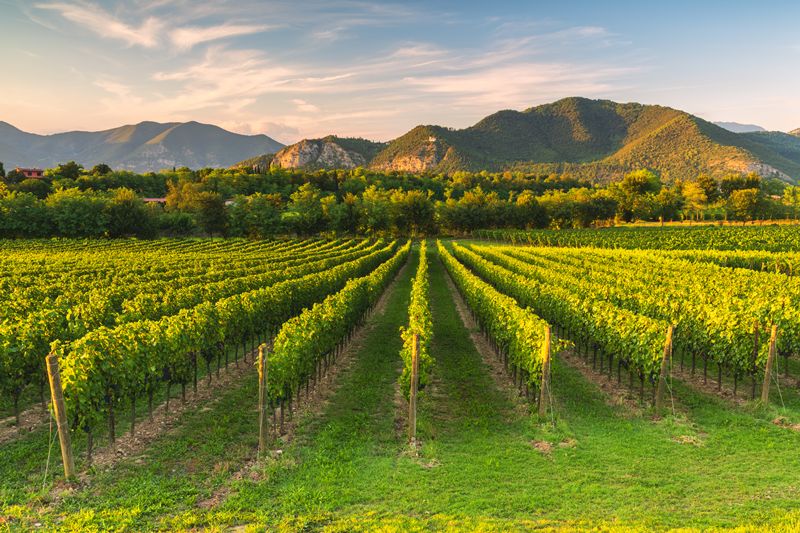
Winegrowers in France’s Occitanie region are pressing for an immediate increase of 10 to 15 euro cents per bottle, saying current market prices no longer cover the cost of producing wine after several difficult years. The demand was discussed at a meeting on Monday, November 16, between producers and companies that market the wine, as growers tried to secure terms they say are needed to keep many operations financially viable.
The push is being led in part by Fabien Castelbou, president of the Occitanie cooperative winegrowers section, who said growers have seen expenses rise sharply while the prices offered for their wine remain too low. According to France 3 Régions, producers say the 2026 harvest returned to a normal level, but that has not translated into pricing that restores economic balance on farms.
Castelbou said the gap between production costs and selling prices has become harder to absorb as energy, labor and other inputs have become more expensive. Growers argue that a modest increase at the bottle level would help them recover some of that lost margin. Their position is that without that change, normal harvest volumes alone will not solve a deeper profitability problem across the sector.
The Monday, November 16 meeting also focused on sustainability agreements introduced in the previous year. Castelbou said producers are being asked to meet environmental standards and make long-term changes in vineyard practices, but that those efforts are not being matched by adequate compensation. He argued that it makes little sense to demand more on sustainability if the basic economics of wine production are not sustainable.
Beyond an immediate price rise, growers proposed broader changes to how wine is sold and priced. Castelbou said producers want to expand multi-year interprofessional contracts and improve the economic organization of the sector, including better management of supply. The aim is to give vineyards more visibility over future revenue and reduce the pressure created by short-term negotiations in a volatile market.
The dispute matters beyond the farm gate because it goes to the question of how margins are shared across the wine supply chain in a large producing region. If growers fail to secure better prices, the pressure could affect investment, output and the long-term stability of wine supply, with possible consequences for bottle prices and business conditions across the broader beverage market. The issue also reflects a wider challenge for alcohol producers in Europe as they try to fund environmental compliance while facing tight retail pricing.
Castelbou said the stakes are also social. He warned that weak profitability is no longer only a vineyard business issue, but a threat to employment and rural communities that depend on viticulture. According to his account, a retreat in vineyard activity is already causing broader damage in parts of the region, with jobs lost as production contracts.
He also linked the decline of vineyards to environmental risks on the landscape. As vines disappear and more land is left unused, he said, fallow areas spread and fire risks increase. Vineyards, he argued, can act as firebreaks and give firefighters support points in rural terrain, so the weakening of the sector may have consequences beyond agricultural income.
Producers are now waiting for traders and marketers to respond to the proposals made on Monday, November 16. Castelbou said growers hope to receive answers before the end of November. He warned that if negotiations fail, some producers could stop operating and fresh demonstrations could follow. For now, growers say they still believe an agreement is possible, but they want concrete price proposals to reach producers quickly.