Britain’s hospitality industry warns that a £13.20 living wage could cut jobs
Trade groups said a smaller-than-feared rise for younger workers still leaves pubs and restaurants struggling with payroll and tax costs
Tuesday, October 27, 2026
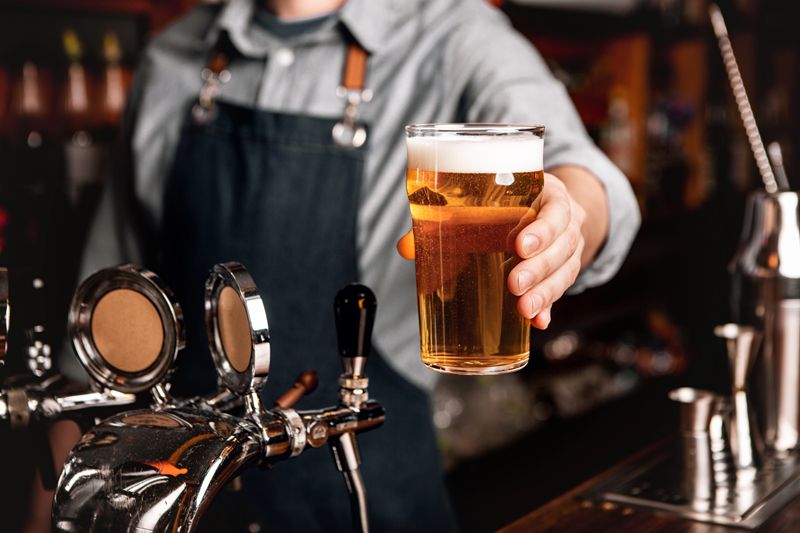
Britain’s hospitality industry warned Tuesday that an expected 3.9% rise in the national living wage to £13.20 an hour in April 2027 will add to mounting labor costs and could reduce jobs, hours and hiring, even as the government appears set to slow the pace of increases for younger workers.
According to reports cited by trade publication The Morning Advertiser, the minimum wage for workers aged 18 to 20 is also expected to increase by 3.9%, from £10.85 to about £11.27 an hour. The changes have not yet been formally confirmed, but they are expected to be announced by Chancellor John Healey alongside Wednesday’s Budget.
If confirmed, the increase for younger workers would be smaller than the larger jumps seen in recent years. Reports said the move would effectively pull back from Labour’s manifesto pledge to bring the minimum wage for younger workers into line with the national living wage during this Parliament. Healey has previously acknowledged that higher wage floors can create a trade-off with employment levels, especially for younger workers.
That debate has become especially sharp in hospitality, where pubs, bars, restaurants and other venues depend heavily on entry-level workers and often operate on thin margins. Higher wage bills could force some operators to slow recruitment, scale back shifts and delay investment. For drinks-led businesses, the pressure could also spill into purchasing decisions, with less room in budgets for beer, wine and spirits stock if payroll costs continue to rise faster than sales.
Industry groups said the expected increase is lower than some businesses had feared, but they argued that labor costs remain too high when combined with employer National Insurance contributions. Allen Simpson, chief executive of UKHospitality, told The Morning Advertiser that there had been credible rumors the rate could rise by as much as 5.5%, and said it was good news that ministers appeared to have listened to concerns about jobs. Even so, he said the sector still needs broader tax changes if the government wants to bring down unemployment.
Trade groups said the issue is not only the headline wage rate but the cumulative effect of repeated increases over the past two years. Kate Nicholls, chair of UKHospitality, told The Times that “stepping off the accelerator” on the minimum wage for young people was welcome, but she said the sector still faced a “double whammy” from higher pay and employer National Insurance contributions. She said hospitality was already struggling to absorb two years of double-digit pay rises along with the tax hit.
The British Institute of Innkeeping, which represents pub operators, said members support paying staff fairly but warned that employers can no longer absorb continued increases in wages and National Insurance costs. The group told The Morning Advertiser that a policy intended to leave working people with more money could instead force employers to reduce hours, cut shifts and ultimately eliminate jobs.
The institute said some operators are already doing more work themselves because they cannot afford to hire. It said some licensees are working more than 80 hours a week. The group also warned that if the government continues to push wages toward £15 without significantly reducing the tax burden on pubs, the result could be thousands of job losses, fewer opportunities for young people and the loss of pubs as community spaces.
Employment prospects for younger workers have become a central part of the argument. In August, The Morning Advertiser reported that 981,000 people aged 16 to 24 in Britain were not in education, employment or training, equal to 13% of that age group. Pub and hospitality operators told the publication that rising employment costs were making businesses more cautious about taking on inexperienced younger staff, even though the sector has traditionally provided many workers with their first job.
The British Beer and Pub Association said it would be a mistake for the government to take the sector’s role in employment for granted. Chief executive Emma McClarkin said that at a time when young people are finding it hard to find work, ministers should continue backing pubs and review employment costs, especially for workers under 25, so businesses can keep people in jobs and continue investing in younger employees.
The expected announcement comes as the government balances competing goals ahead of the Budget: raising pay for lower-paid workers, protecting youth employment and responding to complaints from employers over rising labor and tax costs. For hospitality businesses, the coming decision will help determine staffing plans for next year, from the number of entry-level workers they can take on to how much room they have to invest in venues, menus and drink ranges.