French winegrowers are replacing vines with pistachios.
Hotter, drier weather plus falling wine demand are pushing southern farms toward lentils, almonds, lower-alcohol white grapes.
Tuesday, October 13, 2026
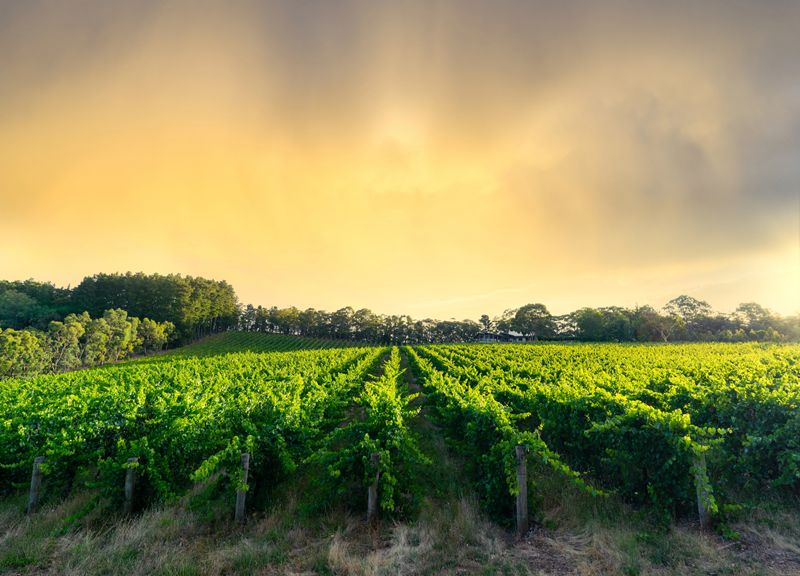
French winegrowers are pulling up vines and planting pistachios, lentils and other crops as climate pressure and weaker wine demand force parts of the country’s vineyard sector to rethink how farms can stay profitable.
In southern France, Amandine Reynard tends young pistachio trees planted next to her remaining vines. She told AFP that relying on vines alone is no longer possible because of global warming and falling demand. Her family farm, at the foot of Mont Ventoux, once had vines across much of the property. Removing some of them was a difficult decision, she said, but one made harder by years of weaker consumer interest in wine, especially red wine.
The shift reflects a broader crisis in French viticulture. Growers have been hit at the same time by hotter and drier conditions and by slower wine consumption. For some, that combination is pushing diversification from a choice into a necessity.
Matthias Reynard told AFP that the farm had no option but to reinvent itself. In an area where other growers are moving into almonds or pomegranates, the Reynards chose pistachios in 2024. With support from the France Pistache trade group, they began learning a crop that once existed in the area two centuries ago but had disappeared.
The couple hopes to plant more pistachio trees in 2027 with help from public aid the French government plans to offer to support diversification, and in some cases conversion, for farmers facing climate change. That kind of support is drawing close attention in wine regions because changes in vineyard acreage and crop mix can alter the economic base of local wine production and may gradually reshape what farms are able to supply to the beverage market.
The Reynards have not abandoned wine altogether. They have also changed their vineyard strategy by investing in white grape varieties with lower alcohol levels that they see as better suited to demand. During the 2026 summer heat wave, their vines held up relatively well and the harvest did not suffer heavily from the heat, according to the family. But Matthias Reynard said the leaves were in poor condition afterward, as if the vines had exhausted themselves protecting the grapes, raising concerns about next season.
The pistachio trees reacted differently. Amandine Reynard said they produced new growth after the intense late-August heat wave even though they were not irrigated. Pistachio trees can grow naturally in very arid, even desert-like, environments, making them attractive to growers searching for crops that can better tolerate heat and water stress.
A similar calculation is driving change in Castelnau-Valence, also in southern France, where winegrowers Jonathan Altier and Nicolas Dussaud have turned to lentils. They told AFP they were looking for alternatives to wine that would let them keep earning a living from their land despite climate problems, especially water shortages.
For the two growers, lentils offered several advantages. The crop uses less water than vines and requires fewer inputs and fewer passes through the fields. Dussaud, who also grows chickpeas, said that makes the work much simpler than viticulture. Lentils are also a protein-rich legume and help capture nitrogen and fix it in the soil, which can benefit nearby lavender, another important crop in the region.
Altier and Dussaud also said there was a local food supply motive behind the decision. As young fathers, they said they were tired of seeing children in school cafeterias eating lentils imported from Asia when local production could be developed instead. Their business, Les perles du Gard, is targeting institutional buyers first. After what they described as strong harvests, they have already signed contracts with three central kitchens in the region.
France has already financed several vine-pullout programs in response to the sector’s difficulties. But the growers interviewed by AFP said the subsidy of 4,000 euros per hectare removed was not enough to pay for diversification on its own, meaning they still had to put in their own money to establish new crops.
That financial strain is one reason the changes are being watched beyond individual farms. If more growers cut back vineyards or replace part of their acreage with crops better adapted to hotter and drier conditions, the result could be a smaller or different wine output in some regions, with more emphasis on grape varieties and styles seen as easier to sell. For producers, merchants and others tied to the drinks business, that raises questions about future volumes, product mix and long-term investment in areas where wine has been the dominant crop.
For now, the new plantings are still in their early stages. In Vaucluse, the Reynards’ pistachios are not yet generating income. The trees produced only 40 fruits in the first year and about one kilogram this summer. Amandine Reynard said she expects it will take another four or five years before production is large enough to sell, adding that the real benefits may be seen by her children and grandchildren.