German Parliament Takes Up AfD Plan to Let Farms Pay Some Seasonal Workers 20% Less
The proposal would cut pay below the legal minimum wage for some workers who come from abroad for labor-intensive crops like grapes and hops.
Wednesday, September 16, 2026

Views › 2603
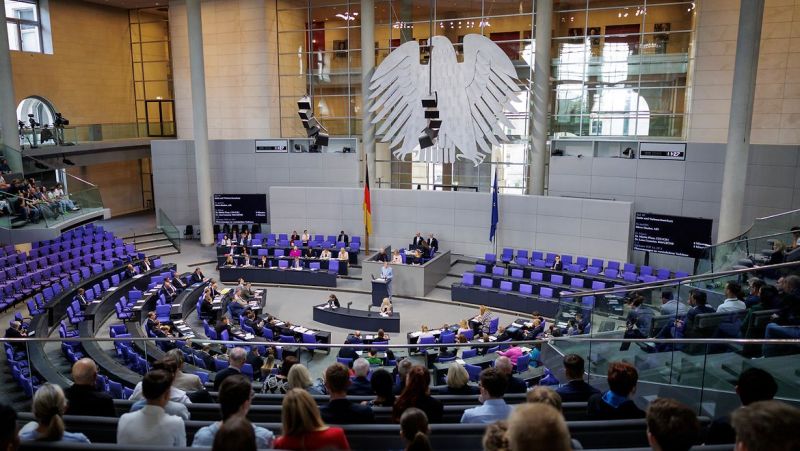
Germany’s Bundestag is set to examine a proposal from the far-right Alternative for Germany party, known as AfD, that would let some farms pay certain seasonal workers 20% less than the country’s legal minimum wage. The measure would apply to labor-intensive agricultural jobs, including work in vineyards and hop fields, putting two key parts of Germany’s wine and beer supply chains directly in scope.
The issue matters because German farms often depend on short-term workers from abroad during harvest season and in the weeks before it. Vineyard owners and other growers have long said that field work is physically demanding and that it is difficult to recruit enough workers inside Germany. As a result, farms regularly bring in temporary laborers for picking, pruning and other seasonal tasks, especially in crops that still require a large amount of hand labor.
AfD’s proposal would create an exception to the normal minimum wage rules for a specific group of workers. Under the text filed in parliament, seasonal employees who keep their habitual residence and their center of life outside Germany would no longer be covered by the standard legal minimum wage when they work in certain agricultural businesses. Instead, they would be entitled to a minimum rate set at 80% of Germany’s legal minimum wage.
The distinction is important. The proposal does not set wages at 80% of an existing sector wage. It takes the national legal minimum wage as the reference point and then cuts that amount by 20% for the workers covered by the exception. Employees who do not meet those conditions would remain under the normal minimum wage rules.
AfD’s text does not formally define the lower wage by nationality. The criterion is based on where a worker normally lives and where that person’s main center of life is located. In practice, however, the change would mainly affect foreign seasonal workers who travel to Germany for a limited period and then return home after the harvest or other peak farm work ends.
The parliamentary proposal is registered as document 21/7245. It is dated July 22 and contains a motion signed by AfD on July 9. The Bundestag said on September 14 that the measure is scheduled to be sent to committees without a prior floor debate, with the Committee on Labor and Social Affairs designated as the lead body for further review.
AfD argues that farms in labor-intensive crops are under increasing pressure from wage costs and have only limited ability to replace workers with machinery. The party names fruit, vegetables, vines and hops in its filing and says the general minimum wage can weaken the competitiveness of German farms when they compete with producers in countries where labor costs are lower. Those are the reasons the party gives in the text to support the proposed exception.
For the wine sector, the proposal reaches beyond the grape harvest itself. Vineyards use seasonal labor at several points in the growing cycle, including maintenance work in the vines and the harvest period, when labor needs can rise sharply in a short time. On the brewing side, hop farms also concentrate a large share of their labor demand into limited windows of the season. A change in the minimum labor cost for those workers could affect production expenses at the farm level, although AfD’s filing does not provide estimates for how much growers, wineries, brewers or other parts of the supply chain might save.
The move has drawn attention this week because it has advanced in the Bundestag process, not because it is a new proposal. The measure has been on paper since July. What changed is that parliament has now put it on track for committee review, which is the next formal step before any broader debate or vote.
At this stage, the proposal does not change wages for agricultural seasonal workers in Germany. No new pay rule has taken effect, and the current minimum wage framework remains in place unless parliament and the rest of the legislative process approve a change. For now, lawmakers on the relevant committees are expected to examine whether Germany should create a separate wage floor for seasonal farm workers who live outside the country and come in temporarily for labor-intensive jobs in crops such as grapes and hops.