Jerez’s sherry harvest reaches 48.7 million kilos, nearing the regulatory council’s forecast.
Thirty pressing facilities are operating across Cádiz after summer heat sped ripening and disease controls helped restore volumes.
Wednesday, August 19, 2026
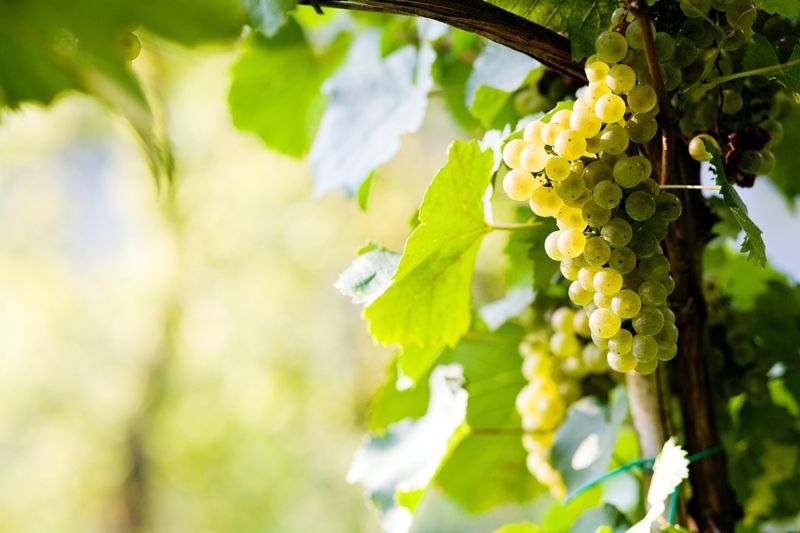
The grape harvest has now spread across the Sherry-producing area around Jerez in southern Spain, with 30 pressing facilities in operation and 48.7 million kilos of grapes already collected and crushed in the province of Cádiz, according to the latest report from the Jerez appellation’s regulatory council.
The figure, recorded as of Aug. 17, puts this year’s campaign close to the council’s forecast of about 55 million kilos for the full harvest. The harvest began in late July, earlier than usual, after several heat waves accelerated ripening in some inland vineyard areas. In most years, harvesting starts more broadly in August.
Most of the fruit gathered so far has gone to Jerez de la Frontera, where 17 active facilities have processed 35.1 million kilos of grapes. The grapes arriving there have shown an average of 11.69 degrees Baumé, a standard measure used in winemaking to indicate sugar concentration in the must.
Outside Jerez, Trebujena has processed 7.2 million kilos in two facilities, while Sanlúcar de Barrameda, the center of Manzanilla production, has reached 3.2 million kilos in four facilities. In Chipiona, three facilities have processed another 2.7 million kilos.
Smaller volumes have been reported in other parts of the denomination area and nearby producing zones. The regulatory council said Rota has processed about 109,000 kilos, Chiclana de la Frontera about 99,000 kilos, Lebrija in the province of Seville about 73,000 kilos, and El Puerto de Santa María about 48,000 kilos.
The Jerez wine region, known in Spain as the Marco de Jerez, includes vineyards and wineries tied to the production of sherry and Manzanilla. The pace of the harvest is closely watched by growers and producers because the region has gone through several difficult seasons marked by weather stress and crop disease.
This year’s campaign is being described by the sector as a return to normal conditions after a much weaker 2025 harvest. Last year, only 34.5 million kilos were collected, far below typical levels, after vineyards were hit by downy mildew, a fungal disease that damaged a large share of the crop.
Growers took preventive steps ahead of the 2026 season to limit the disease’s impact, and the regulatory council said those measures have helped avoid a serious outbreak. With disease pressure contained and fruit now moving steadily into presses across the region, the harvest is advancing without major disruptions.
The earlier start this year reflects the effect of high summer temperatures on the vines. Heat in July pushed some plots to maturity sooner than expected, especially in inland areas of Cádiz province, leading crews into the vineyards before the usual harvest window. Since then, more vineyards across the Sherry area have joined the campaign, bringing the number of active facilities to 30 and pushing total intake near the level expected at the start of the season.
If the current trend continues, the 2026 harvest would mark a clear rebound for one of Spain’s most important wine regions, restoring volumes after last year’s disease-hit season and giving producers a crop much closer to historical norms.