Sicily Begins Its 2026 Grape Harvest With Unusual Confidence
A wet winter restored water reserves, supporting healthy vines and raising expectations for a high-quality vintage across the island
2026-07-30
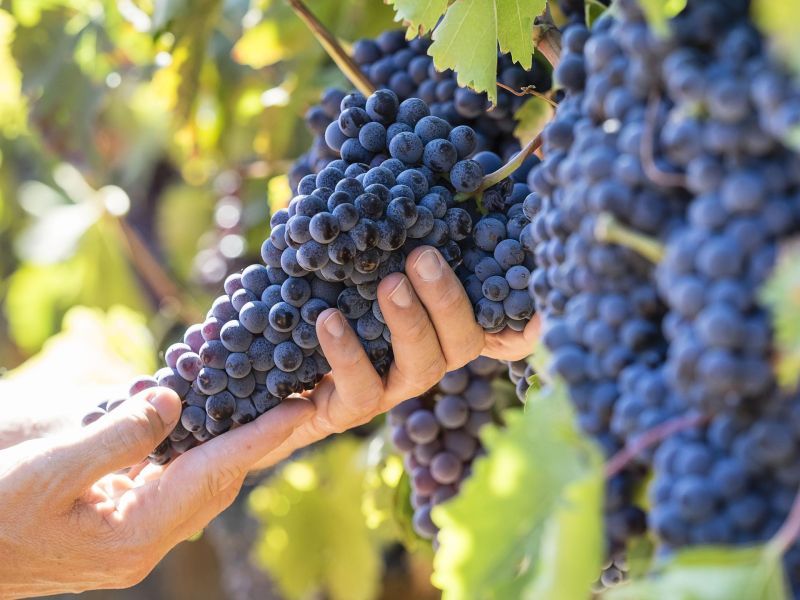
Sicily’s 2026 grape harvest has started in the western part of the island, where growers are bringing in the earliest white varieties at the end of July and opening a picking season expected to last nearly 100 days. The campaign will move gradually across Sicily, from the west to inland vineyards, through the Hyblaean plateau, the slopes of Mount Etna and the smaller islands, in a staggered harvest that reflects the region’s wide range of climates, elevations and grape varieties.
Assovini Sicilia, the trade group representing 101 wineries on the island, said prospects for the vintage are strong after a wet winter and spring helped restore soil water reserves and support steady vine growth. The group said disease pressure has remained limited, with only isolated cases managed in the vineyard, and that July heat was largely absorbed by vines because of those earlier water reserves.
Gabriella Favara, president of Assovini Sicilia, said member wineries continue to focus on quality, innovation and sustainability as they work to strengthen both local territories and the people tied to them. Pietro Pollara, the group’s vice president, said current conditions point to wines with strong aromatic definition and a balance between freshness and elegance.
As in recent years, the first grapes to be picked are international varieties such as Pinot Noir and Chardonnay, which are used for sparkling base wines as well as still wines because they retain naturally high acidity when harvested early.
In western Sicily, growers are reporting solid vineyard conditions for both native and international grapes. Giampiero Vantaggiato, agronomist at Feudo Stagnone and Cantine Birgi, said Grillo is again showing its ability to perform under difficult climate conditions, while Nero d’Avola and Perricone are also developing well. He credited careful vineyard work based on sustainable farming practices with keeping bunches healthy and intact.
The pace of harvest will be slower in inland Sicily, where picking is not expected to begin until the second half of August. Gianfranco Lombardo, owner and agronomist at Tenute Lombardo, said he sees excellent potential for both Nero d’Avola and Catarratto this year, with Nero d’Avola showing what he described as renewed character and Catarratto expected to deliver an elegant fruit profile.
In the Ragusa area, attention is centered on Frappato, one of southeastern Sicily’s defining red grapes. Carlo Casavecchia and Gaetana Jacono of Valle dell’Acate said the vines have remained vigorous despite extreme heat. They expect a complex expression of Frappato this year, one that keeps the grape’s lighter style while offering enough structure for broader food pairings.
Farther south in Noto, growers say traditional bush-trained vines have helped vineyards cope with high temperatures. Gionata Pulignami, technical director of Zisola, said the absence of trellis structures allows cooler air currents and sea breezes to move more freely through the vines, reducing heat stress during the hottest part of summer.
In northeastern Sicily, producers in Faro DOC are also watching conditions closely but report healthy vineyards so far. The denomination’s hillside sites face north toward the Strait of Messina and benefit from winds that shape a distinct microclimate. Gianfranco Sabbatino, co-owner of Le Casematte, said high temperatures have had only a marginal effect on vineyard quality and that phytosanitary conditions remain strong for native grapes such as Nocera and Nerello Mascalese.
Nearby in Mamertino DOC, growers are taking a more cautious view as ripening continues. Antonio Grasso of Feudo Solaria said producers will need to monitor how Nocera responds over the coming weeks because it is especially sensitive to heat.
On Sicily’s smaller islands, producers say conditions vary by site but remain encouraging overall. On Salina in the Aeolian Islands, Pietro Colosi of Colosi said the season has reached a favorable balance for traditional local varieties and that Malvasia is showing particular promise for aromatic intensity and freshness.
On Pantelleria, where Zibibbo is central to local wine production, Gianfranco Giacalone, agronomist at Cantine Pellegrino, said rising temperatures have not damaged quality. Instead, he said they have helped produce a balanced ratio between sugar and acidity. Harvest there will proceed in stages from earlier-ripening coastal vineyards to later mountain sites, allowing wineries to spread out intake and manage fruit at peak condition.
The final stage of Sicily’s harvest is expected on Mount Etna, where picking usually begins in mid-September and can continue through late October or even early November depending on altitude and weather. Large day-night temperature swings remain one of Etna’s main advantages during ripening. Salvatore Rizzuto, winemaker at Gambino Winery, said those conditions are helping preserve aromatic expression as well as the balance between phenolic ripeness and acidity in Nerello Mascalese and Carricante.
Founded in 1998 by Giacomo Rallo, Diego Planeta and Lucio Tasca, Assovini Sicilia now represents wineries producing about 900 labels. The association has also promoted sustainability through the SOStain Sicilia Foundation, which supports environmental, social and economic practices aimed at making Sicilian viticulture more resilient as growers face hotter seasons and greater climate pressure.
This year’s harvest begins with unusual confidence for a region that often has to manage drought risk through much of summer. The combination of replenished water reserves, relatively low disease pressure and healthy canopies has given many producers reason to expect a high-quality vintage across much of the island, even as they continue to watch August and September weather closely before the later-ripening native reds come in.
