Hamburg will expand its public alcohol ban in St. Georg in August
The city widened restrictions beyond the main train station after officials linked alcohol to assaults and sexual offenses nearby
2026-07-07
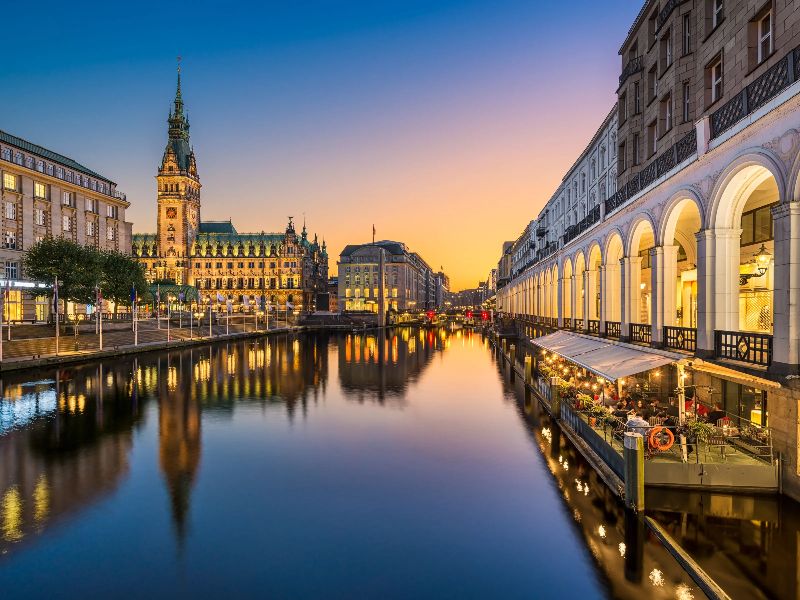
Hamburg will expand its public alcohol ban in the St. Georg district in August, extending restrictions that already apply around the city’s main train station to a wider area near Hansaplatz, Steindamm and the central bus terminal, according to NDR.
Under the new rules, people may still carry a closed bottle or can in a bag, but drinking alcohol on streets and squares within the designated zone will not be allowed. A first violation will bring a fine of €40. Repeat offenses can lead to penalties of up to €200.
The measure is part of a broader security policy that Hamburg has used for more than two years around the Hauptbahnhof and the plaza in front of it. City officials say the original ban was introduced to make the station area safer. NDR reported that many of the problems targeted by that policy later shifted into nearby parts of St. Georg, prompting the Interior Ministry to widen the restricted zone.
According to the report, police had to review conditions street by street before the expansion could be justified in legal terms. Authorities needed to show that alcohol played a role in a significant number of crimes in the affected areas. In the newly covered zone, that was said to be the case in assaults and sexual offenses.
The expanded ban is set to apply for one year at first. After that, city officials plan to decide whether to extend it following talks with residents and local businesses.
Hamburg is also preparing a possible next step that could affect alcohol sales as well as consumption. NDR reported that authorities are considering a ban on kiosk sales of alcohol for takeaway in the same area. No final decision on that measure has been announced.
The move matters beyond policing because it could affect how drinks are sold and consumed in one of Hamburg’s dense urban commercial districts. For bars, kiosks and other beverage retailers, tighter rules on street drinking may change takeaway demand, late-night sales patterns and operating practices near transit hubs and nightlife corridors.
Hamburg has already decided to prolong the existing alcohol ban around the main train station for another three years. NDR said alcohol-related crime there fell markedly during the first two years of the restriction, a result city officials appear to be using as support for expanding the policy into neighboring streets of St. Georg.
