Italy lets farms halt work during extreme heat waves
The decree restores wage support for suspended shifts as red alerts spread across Italy and 500,000 harvest workers face rising risks
2026-06-23
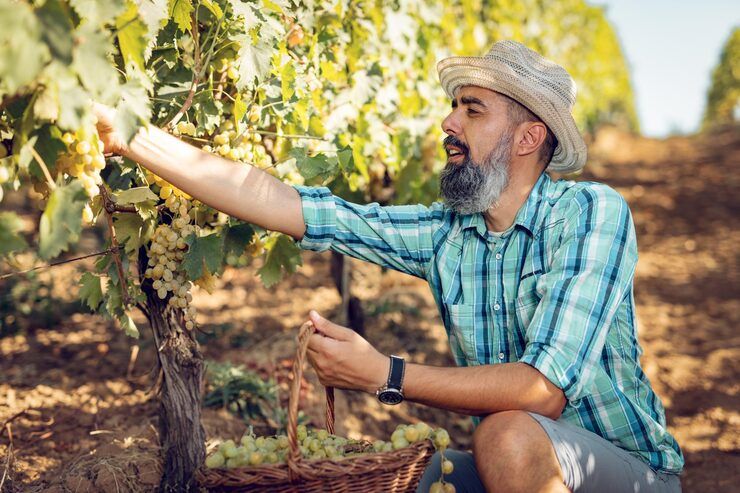
Italy’s government has approved a decree allowing some businesses, including farms, to suspend or reduce work during exceptional heat waves and to access wage-support measures when activity is halted because of extreme temperatures.
The measure was approved by the Council of Ministers on Monday as part of a broader decree covering infrastructure projects and implementation of Italy’s National Recovery and Resilience Plan. In a statement, the government said the decree restores rules used in previous years that let certain economic operators stop or cut work and obtain access, by way of exception, to temporary wage support during exceptional heat events.
The decision comes as Italy faces an intense early summer heat wave. Several regions have already issued ordinances to protect outdoor workers, banning work from 12:30 p.m. to 4 p.m. when heat risk is high. On Tuesday, 15 provincial capitals were under the highest heat alert, known in Italy as a red warning.
Coldiretti, Italy’s main farmers’ organization, said the measure answers its requests to protect workers while safeguarding crops. The group said about 500,000 workers are engaged in summer harvests of fruit, vegetables and cereals, making heat protections especially urgent in the countryside as well as in cities.
Coldiretti said it had already sent guidance to member companies as regional ordinances took effect. The recommendations include providing adequate water supplies and shaded rest areas, along with protective gear such as hats and light, breathable clothing to reduce sun exposure. The group also called for reorganizing shifts by suspending or reducing the heaviest tasks during the hottest central hours of the day and moving work to cooler morning or evening periods or, where needed, to nighttime hours.
The timing is critical for Italian agriculture. From late June through September, most of the country’s fruit and vegetable crops ripen, along with cereals, making harvesting operations essential. Coldiretti warned that these activities cannot be interrupted for long without harming product quality and availability, raising the risk of financial losses for farms and disruptions across the food supply chain through to supermarket shelves.
The heat is also pushing up costs for agricultural businesses because of increased irrigation needs, Coldiretti said. It added that those pressures are being worsened by higher energy costs linked to the war in Iran.
For the drinks sector, the labor restrictions could have effects beyond fresh produce. Vineyards and other agricultural suppliers tied to wine and beverage production may need to shift harvest-related schedules and absorb higher water and energy costs if extreme heat persists through the growing season.
