Sparkling Wine Moves Into Everyday Premium Drinking
Industry forecast says the global market could reach $69.21 billion by 2032 as consumers buy more high-end bottles year-round
Tuesday, May 26, 2026
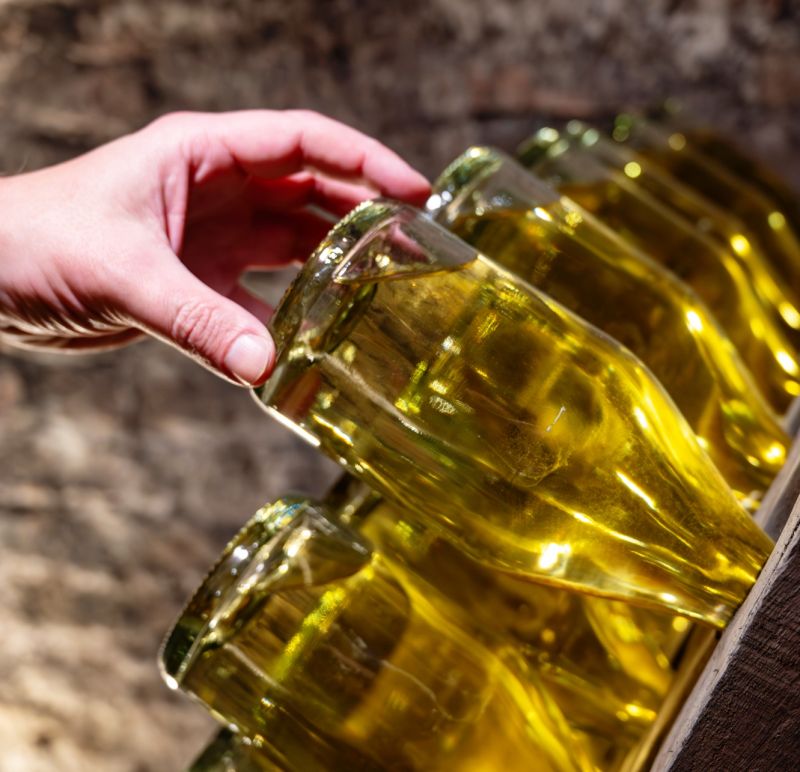
The global sparkling wine market is moving through a structural shift that is pushing it beyond its old role as a drink reserved for celebrations and into everyday premium consumption, according to a new industry forecast. The market was valued at $49.85 billion in 2025 and could reach $69.21 billion by 2032, growing at a compound annual rate of 4.8%, according to Maximize Market Research.
The report says sparkling wine has become one of the most dynamic parts of the wine business, and in many markets it is among the few categories still showing growth as other wine segments contract. That trend is visible in Italy, where demand is no longer driven only by Prosecco but is spreading across a wider range of denominations, including traditional method wines such as Franciacorta, which have been gaining ground both at home and abroad.
Maximize Market Research said the expansion is being driven by several forces at once: year-round consumption rather than holiday-only drinking, stronger demand for higher-end products, the growth of digital sales channels and changing habits that place sparkling wine in aperitifs, cocktails and home consumption. The report describes this as part of a broader shift in beverages toward quality experiences that remain accessible to a wider audience.
A central theme in the market’s growth is premiumization, which is reshaping how producers position Champagne, Prosecco, Cava, Crémant and other styles. Consumers are paying more attention to origin, brand story, vintage differences, organic and sustainable farming, low-intervention production and top-tier cuvées. That has helped move sparkling wine away from a model tied mainly to holidays and toward one linked to lifestyle and experience.
At the same time, the category remains broad enough to reach different income groups because it offers multiple price points. That has helped support demand throughout the year rather than only during peak festive periods.
The report breaks the market down by product type, distribution channel and region. The main product categories include Cava, Champagne, Crémant, Prosecco and other sparkling wines. Distribution runs through supermarkets and hypermarkets, specialty stores and on-trade venues such as restaurants and bars.
Champagne remains a key premium segment, with projected annual growth of about 4.5%, supported by high-end marketing strategies, direct customer relationships, vintage promotion and sustainability-focused positioning. Demand for premium bottles is also being shaped by rare vintages, environmental concerns, Prosecco’s role as an accessible entry point and gifting.
Digitalization is another major factor. E-commerce and direct-to-consumer models are allowing producers to strengthen customer ties, widen distribution and improve brand positioning. Newsletters, online sales and digital engagement are changing how wineries communicate with buyers.
Technology is also affecting production. Innovations in supply-chain management, vineyard automation and traceability are improving efficiency and sustainability. The report points to agricultural robots developed by companies such as Naio Technologies and VitiBot as examples of tools that can reduce herbicide use and streamline vineyard work.
Packaging has become another strategic area. Lighter bottles, recyclable materials, sustainable bottling systems, smart labels and advanced traceability tools are gaining traction. In a market where visual branding matters, sustainable packaging is increasingly seen not only as an environmental choice but also as a way to signal premium value to younger consumers, modern retailers and export-focused distributors.
Europe remains the center of global production. Italy, France, Germany and Spain together with the United States account for 80% of world output. Italy leads with 27%, followed by France at 22%, Germany at 14%, Spain at 11% and the United States at 6%. Global production has reached 2.5 billion bottles, up nearly 56% over the past 20 years, while sparkling wine now makes up just under 8% of total global wine production.
On the demand side, the United States remains the largest import market by value, supported by premiumization, digital retail and consumption tied to events and upscale dining. The United Kingdom is among the biggest importers by volume along with the United States, with about 180 million bottles each. Germany remains the world’s largest consumer and an important producer.
Asia is emerging as a strategic region as well. Japan, South Korea, China and India are gaining importance thanks to rising incomes, premium consumption and growth in digital sales and high-end hospitality.
The competitive field includes major international groups such as Willamette Valley Vineyards, Constellation Brands, E & J Gallo Winery, Bacardi, Chandon, Henkell & Co., Freixenet, Pernod Ricard Winemakers and Treasury Wine Estates. Many are pursuing mergers, acquisitions and partnerships to strengthen their positions.
Among the broader trends identified in the report are premium cuvées, digital expansion, sustainable vineyard technologies and sensory experiences designed to shape how consumers perceive wine. The report also notes growing regulatory scrutiny around health-related claims, influencer marketing and promotional transparency.
Siddhi Dole, research manager at Maximize Market Research, said the category is shifting from celebration-driven drinking to a premium lifestyle platform. She said companies that invest in smarter supply chains, direct consumer engagement, sustainable vineyard practices and distinctive product storytelling will be best positioned to capture value by 2032.