Roman Honey Wine Returns to Favor
Mulsum, once prized at elite banquets and as a stomach remedy, is being revived in modern kitchens
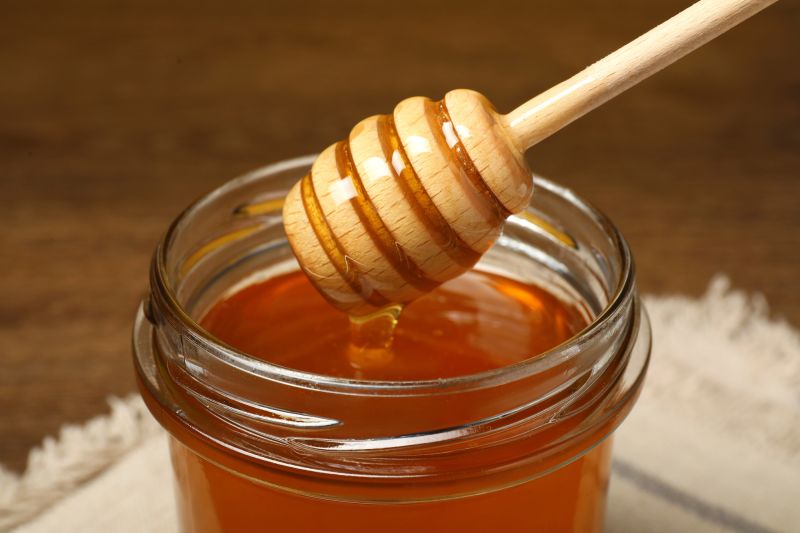
A renewed interest in ancient drinks has brought attention to mulsum, the honeyed wine that was common in Roman households and banquets and that historians say was prized both as a pleasure drink and as a remedy for stomach discomfort. The beverage, made by blending wine with honey and sometimes spices, was widely consumed in the Roman world, especially among wealthier Greeks and Romans, who preferred it as a lighter and easier-to-drink alternative to stronger wines.
In antiquity, wine was not always the polished product familiar to modern drinkers. Romans often improved it with herbs, resin, seawater, or honey, partly to mask flaws and partly to create new flavors. Mulsum stood out because of its sweetness and its place at the start of a meal. Writers such as Horace, Propertius and Seneca referred to wine in ways that linked drinking with relief from sorrow and daily burdens, and mulsum fit into that broader culture of wine as both nourishment and medicine.
Ancient sources do not agree on a single recipe. The agricultural writer Columella described one method in which must was mixed with honey before fermentation and then transferred after several weeks. Other accounts say the honey was stirred into finished wine instead. Palladius, writing centuries later, offered yet another version, in which honey was added after fermentation had already taken place and the mixture was left to continue fermenting for a time. The differences suggest that mulsum was less a fixed formula than a family of preparations adapted to local taste and available ingredients.

The choice of base wine mattered. Falernian wine, produced in northern Campania near Naples, was considered one of the finest wines of the Roman era and was often associated with luxury and divine favor. Roman legend held that Bacchus rewarded a humble farmer named Falernus by turning his mountain into vineyards after being offered a simple meal. That story helped elevate Falernian wine into a symbol of prestige, and it would have been a natural candidate for mulsum among elite drinkers.
Modern versions of mulsum usually follow a simpler path. A common home recipe calls for one liter of red wine, about 130 grams of honey and a spoonful of ground black pepper. The ingredients are mixed at room temperature, then chilled for several hours before serving. Some makers let the drink rest longer so the flavors can settle and the pepper can infuse more fully. Because honey contains sugars that can feed fermentation, the alcohol level can shift if the mixture is left too long before drinking.
The drink is typically served cold. Many cooks recommend stirring it before pouring so the pepper does not remain at the bottom of the vessel. The result is sweet at first taste, with a sharp finish from the spice. For those interested in Roman foodways, mulsum offers a direct link to an older table culture in which wine was rarely just wine and often carried flavor, status and function all at once.