France Plans to Uproot 28,000 Hectares of Vines
State-backed removals aim to help growers cope with weak demand, climate pressure and falling red wine sales
2026-04-27
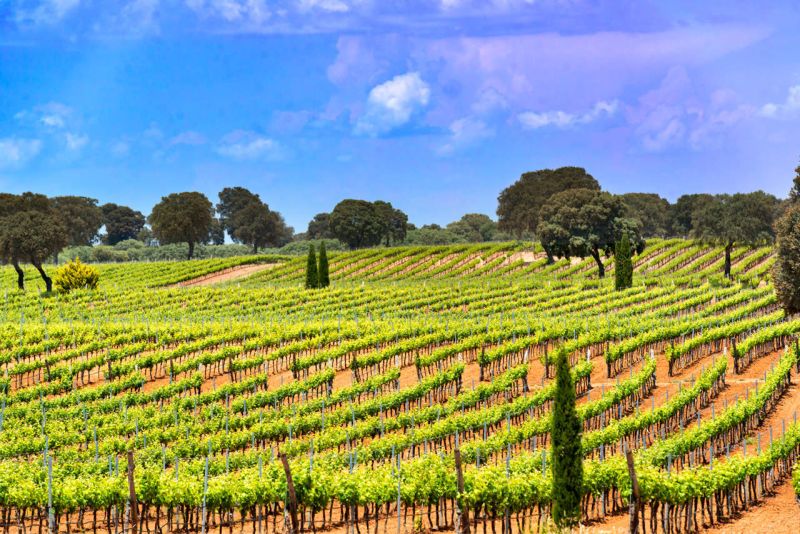
French winegrowers are set to uproot about 28,000 hectares of vines under a state-backed program meant to help the industry adjust to weaker demand and climate pressure, according to FranceAgriMer, the government agency that oversees the plan.
The scheme has drawn about 5,800 applications from vineyard owners seeking financial support to remove vines. Most of the requests come from southwestern wine regions, including Gironde, Aude, Gard, Hérault, Pyrénées-Orientales and Gers, and they mainly involve red grape varieties, Jérôme Despey, who heads the agency’s wine committee, said.
About 37% of the vineyards approved for removal will be cleared entirely, meaning those growers will leave winegrowing altogether. The remaining 63% will involve partial removals of vines that are at least 10 years old, allowing producers to reshape their holdings and better match output with demand.
The plan is backed by a €130 million government fund that pays growers €4,000 for each hectare removed. The work must be completed by Dec. 31, 2026.
The move comes as French wine producers face a mix of problems: climate change, changing drinking habits and falling demand for red wine. Despey said it was heartbreaking for some growers to leave the profession, but that partial removals could help others adapt rather than exit the sector entirely.
The program follows approval by the European Parliament of a broader package aimed at supporting the wine industry, including more flexible rules on vineyard removals and measures encouraging alcohol-free wines. France also ran a vine-removal program in 2024 that allocated €110 million.
Jonathan Hesford, a winemaker at Domaine Treloar, said the main driver was a sharp drop in wine sales across much of France and abroad. He said only Champagne and very expensive Burgundy were doing well, while most other categories had seen sales fall 20%-40%.
Hesford said declining consumption among younger drinkers, health advice urging people to cut back on alcohol, several difficult harvests and an aging grower population were all contributing to the downturn. He described the uprooting plan as “a bit of a knee-jerk reaction to reduce supply.”
He also said producers from many regions were applying for aid, including some high-quality estates, though high-volume areas such as Bordeaux, Languedoc and the Rhône Valley appeared to be among the hardest hit.
One concern raised by Hesford is what happens to land after vines are removed. He said some younger growers may try other crops such as olives or pistachios, while older farmers may simply retire. He added that in his region two cooperative cellars were already close to bankruptcy, underscoring the strain on the sector.
Jean-Marie Fabre, president of Vignerons Indépendants de France, said the plan reflects a broader shift in French wine as consumption changes and some regions produce more than the market can absorb. He said vine removal is not an end in itself but a way for many growers to adapt so they can keep making wines that sell.
“The question today is not only about producing less, but above all about producing wines that meet consumer expectations and allow wine estates to make a proper living,” Fabre said.
France remains one of the world’s largest wine producers. Many growers are trying to raise value through direct sales, wine tourism and closer ties with consumers, while others are cutting vineyard area or changing what they grow as tastes continue to shift.
