Heineken Reports Higher Sales as Premium Beer Demand Holds
The brewer said first-quarter revenue rose 2.8% organically, but warned that inflation and energy costs could pressure consumers later this year
2026-04-24
Heineken said on Thursday that its first-quarter sales rose as demand for premium beer and nonalcoholic drinks helped offset weaker performance in some mainstream brands, while the company warned that higher energy costs and inflation could weigh on consumers later this year.
The Dutch brewer reported total volume growth of 1.2% in the quarter ended March 31, with net revenue up 2.8% on an organic basis. Consolidated volume was down 0.2%, but licensed volume increased 26.1%, reflecting the company’s broader portfolio and market structure. Heineken said premium volume rose 5.8%, led by its flagship Heineken brand, which grew 6.9%. Global brands increased 5.7%, while low- and no-alcohol drinks posted double-digit growth.
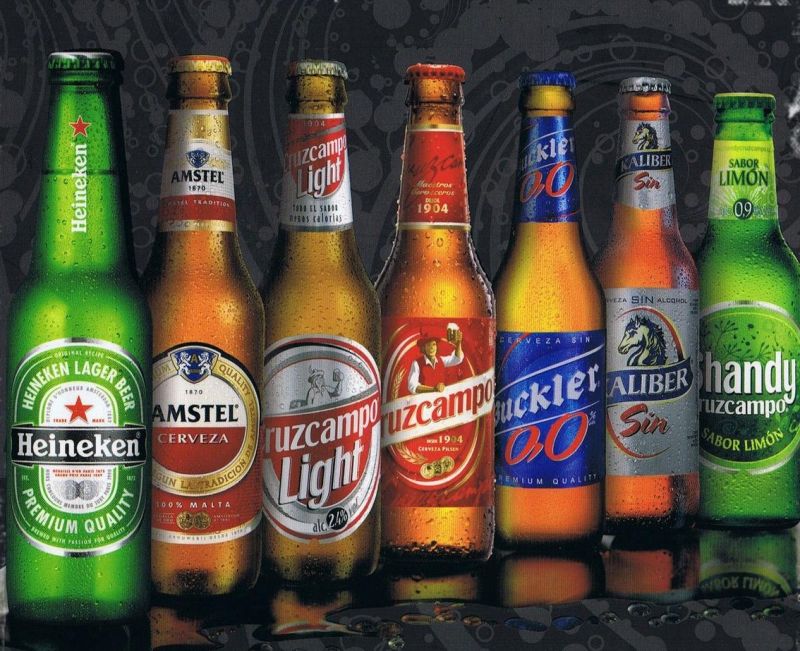
The company said it gained or held market share in about 60% of its markets, a sign that its pricing and brand mix remained resilient even as consumer spending stayed uneven across regions. Mainstream beer volume slipped slightly, though local brands such as Harar and Cruzcampo grew.
Heineken’s regional results were mixed but generally positive in its priority markets. Africa and the Middle East delivered robust price and volume growth, led by Ethiopia and Heineken Beverages. In the Americas, stronger pricing helped offset modest volume declines in Brazil and Mexico. Asia Pacific had a strong start to the year, supported by Vietnam, India and China. Europe was uneven, with gains in the United Kingdom, France and Spain offset by weaker timing effects in Poland.
The company kept its full-year guidance unchanged, saying it still expects operating profit to grow between 2% and 6% organically in 2026. It also said it remains on track to deliver €500 million in productivity gains this year as part of its Evergreen 2030 strategy.
In a statement, Chief Executive Dolf van den Brink said global trade had become “more complex and volatile” since the start of the year, with some markets facing higher energy costs and supply shortages. He said those pressures could affect consumer sentiment in the medium term, but added that Heineken was focusing on cost control, capital allocation and growth in priority markets.
The company said it had begun integrating HEINEKEN Costa Rica after completing its acquisition from FIFCO and had completed the disposal of its operations in the Democratic Republic of Congo by shifting to an asset-light licensing model. It also said the second €750 million tranche of its €1.5 billion share buyback program began on Feb. 12.
Van den Brink said this was his final report as chief executive and described the beer category as having long-term appeal despite near-term uncertainty. The company said it is monitoring developments in energy markets closely and is assuming any disruption will be temporary rather than prolonged.

Founded in 2007, Vinetur® is a registered trademark of VGSC S.L. with a long history in the wine industry.
VGSC, S.L. with VAT number B70255591 is a spanish company legally registered in the Commercial Register of the city of Santiago de Compostela, with registration number: Bulletin 181, Reference 356049 in Volume 13, Page 107, Section 6, Sheet 45028, Entry 2.
Email: [email protected]
Headquarters and offices located in Vilagarcia de Arousa, Spain.