














Sicily Bets on Wine Tourism to Draw More Visitors
Bookings rise as wineries pair tastings with food, landscape and culture to strengthen the island’s appeal.
2026-04-23
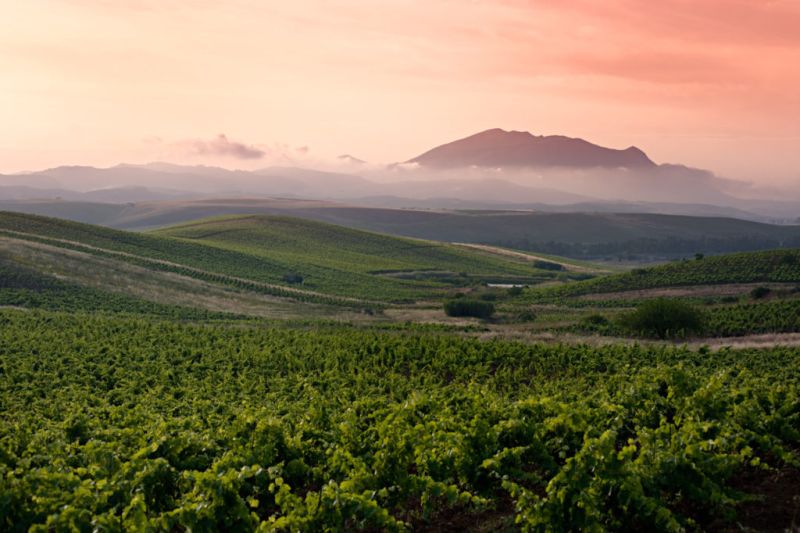
Sicily is leaning harder into wine tourism, and the numbers suggest the strategy is paying off. At a recent presentation in Verona, Assovini Sicilia, the association representing more than 100 of the island’s leading wineries, said the region is drawing more visitors, more online bookings and higher spending per reservation as it builds a tourism model tied closely to wine, food, landscape and culture.
The focus, titled “Viaggio in Sicilia: le nuove frontiere dell’enoturismo,” was presented with Tg1 director Marco Chiocci moderating. Mariangela Cambria, who leads Assovini Sicilia, said wine tourism has become one of the most effective ways to explain Sicilian wine identity and biodiversity. She said the group is working to strengthen Sicily’s international profile and create a more integrated system linking wine, culture and hospitality.
Data presented by Filippo Galanti, co-founder of WineSuite, showed that the average value of wine tourism bookings rose from 28.8 euros in 2022 to 39.4 euros in 2025, an increase of more than 35%. The share of bookings made online reached 68.7%, underscoring how quickly digital channels have become central to winery visits and tastings.
The audience for these experiences is also changing. Women accounted for 60.7% of bookings, and the largest age group was travelers between 31 and 45 years old. In Sicily, the average spend per person reached 34.4 euros in 2025, below the national average of 39.7 euros but still seen by industry leaders as a sign of room for growth if wineries continue improving quality and positioning.
Sicily now ranks among Italy’s most attractive food-and-wine destinations. It is second only to Tuscany in that category and is especially popular with foreign travelers. Interest levels among French and American tourists were reported at above 60%, reflecting strong demand for trips centered on authentic local experiences. That demand stretches across the island, from Etna to Marsala to Pantelleria, where wineries are increasingly pairing tastings with visits that highlight history, landscape and local food.
The island’s appeal is also tied to seasonality. August remains the busiest month for winery visits, accounting for 18.4% of attendance, above the national average. That concentration reinforces both Sicily’s summer tourism strength and one of its biggest challenges: extending demand beyond peak months.
Luca Sammartino, Sicily’s regional agriculture commissioner, said the government would continue supporting the sector through measures aimed at competitiveness, quality production and investment in hospitality and innovation. He said wine tourism draws strength from the combination of vineyards, food culture, scenery and heritage that defines the island.
Francesca Planeta, who leads the Planeta winery and sits on the board of La Sicilia di Ulisse, said today’s traveler is looking for more than a destination. She described a visitor seeking wellness, authenticity, food identity and a deeper connection with place. In Sicily, she said, those elements already exist naturally and do not need to be invented — only recognized and communicated better.
Galanti said the data show that wine tourism is no longer an accessory activity for wineries but a strategic one. He pointed to rising booking values and growing online sales as evidence that digital access and experience quality are now decisive factors. He said Sicily already competes well internationally but could grow further by broadening its offer, adjusting pricing and reducing dependence on peak-season travel.
Federica Fina, president of Movimento Turismo del Vino Sicilia, said wine tourism remains one of the strongest tools for communicating wine and bringing new audiences closer to it. Filippo Magnani, founder of Fufluns Wine Tours and a writer focused on wine travel, said his company is seeing more requests from collectors and enthusiasts around the world who want to explore Sicily specifically because its wines now carry global status while still offering value compared with more crowded regions.
The event also touched on how travel media shape perceptions of wine regions. Journalist Federico Geremei spoke about how food landscapes and media landscapes continue to shift as travel storytelling evolves. Publisher Giulio Perrone closed the conference by describing Sicily as a place with unusual narrative power because of its multicultural history and strong literary associations.
For wineries across the island, that mix of image, access and experience is becoming central to business. The region’s direct flights to New York City were cited as one example of how better connectivity could help bring in more high-value visitors and deepen Sicily’s role as a Mediterranean destination built around wine.
