Germany Debates Higher Alcohol Taxes
Proposal could raise beer and wine prices as officials seek new revenue for the public health insurance system
2026-04-17
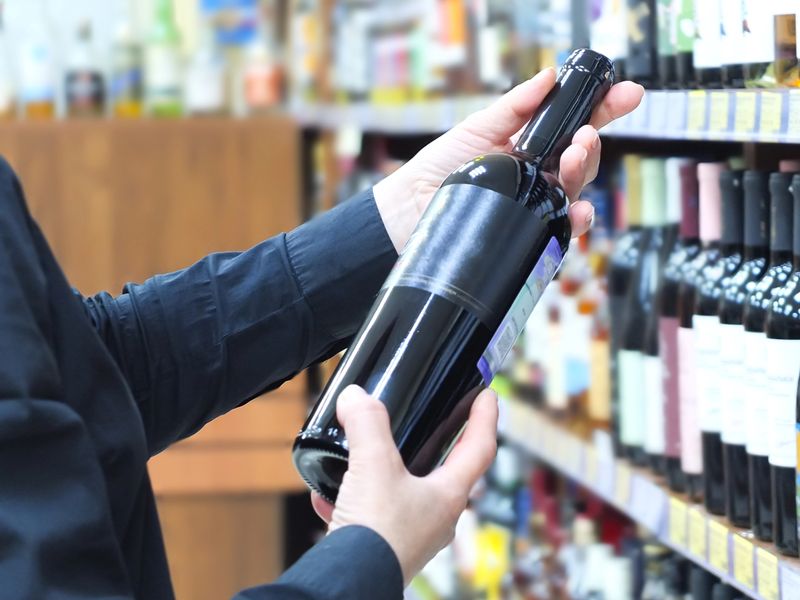
Germany has opened a debate over whether alcohol should be taxed more heavily as part of a broader effort to shore up its public health insurance system, a move that could affect wine and beer prices in one of Europe’s largest beverage markets.
The discussion centers on a proposal from an expert advisory committee that calls for higher taxes on alcoholic drinks, including beer and wine, though it does not spell out specific measures. The idea comes as Germany’s statutory health insurance system faces rising costs from an aging population, higher treatment expenses and growing demand for care. Policymakers are looking for new sources of revenue, and alcohol taxation has emerged as one option.
At present, Germany taxes spirits more directly than beer and wine. Beer is taxed according to wort content, while wine is exempt from excise tax and pays only value-added tax. That structure has become a point of contention as officials weigh whether beer and wine should contribute more to public health financing.
Supporters of higher taxes argue that price is one of the most effective tools for reducing alcohol consumption. They say higher prices can lower drinking levels, reduce alcohol-related disease, cut hospital admissions and bring down deaths linked to alcohol use. In Germany, alcohol is tied to tens of thousands of deaths each year and to broader social and economic costs that far exceed the revenue collected through current alcohol taxes, according to advocates of reform.
The proposal has drawn sharp concern from the wine, beer and spirits industries, along with restaurants, bars and other hospitality businesses. Industry groups argue that higher taxes would punish moderate drinkers, weaken demand and squeeze margins across the supply chain. They also warn that steep price increases could encourage illicit sales and hurt businesses already dealing with higher labor, energy and food costs.
Beer carries particular political weight in Germany, where annual consumption remains about 88 liters per person even after years of decline. Wine also plays an important role in daily consumption and regional identity. Because wine is currently exempt from excise tax, any change would mark a significant shift for producers, importers and retailers.
For consumers, the most immediate effect would likely be higher prices in supermarkets, bars and restaurants. For the trade, the impact could extend to import volumes, distributor margins and sales in the hospitality sector. A tax increase could also alter buying habits in a market where price sensitivity already shapes demand.
The expert committee has not issued a final recommendation on beer or wine taxation, leaving the decision to political leaders. Health Minister Nina Warken is among those who will help determine whether the government moves ahead with reform.
The debate reflects a larger question facing Germany: how to balance public health goals with economic interests and long-standing drinking traditions. If lawmakers decide to raise taxes on beer and wine, the change would reach far beyond the health system and into retail shelves, restaurant menus and household budgets across the country.

Founded in 2007, Vinetur® is a registered trademark of VGSC S.L. with a long history in the wine industry.
VGSC, S.L. with VAT number B70255591 is a spanish company legally registered in the Commercial Register of the city of Santiago de Compostela, with registration number: Bulletin 181, Reference 356049 in Volume 13, Page 107, Section 6, Sheet 45028, Entry 2.
Email: [email protected]
Headquarters and offices located in Vilagarcia de Arousa, Spain.