Fine wine prices hold steady as tariff risks unsettle traders
Vinum Fine Wines says the market stayed cautious in March, with turnover improving despite volatility and uneven regional demand
2026-04-16
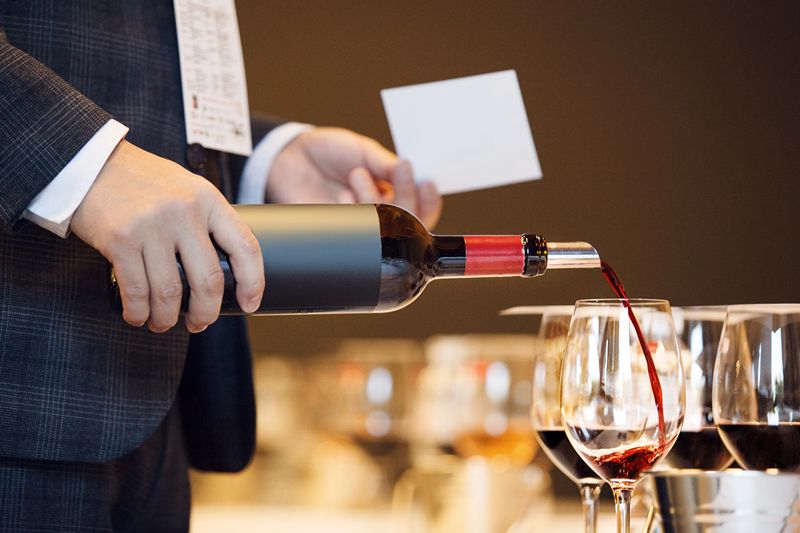
Fine wine prices were broadly steady in March, even as global markets turned more volatile and traders watched tariff risks closely, according to Vinum Fine Wines’ April market report. The firm said the main Liv-ex indices slipped slightly during the month but remained flat to mildly positive for the year so far, while the bid-to-offer ratio improved and turnover picked up.
Vinum said its own trading was stronger than a year earlier, with first-quarter turnover up 35% from the same period in 2025. That made it the company’s second-best first quarter on record. The report described the market as cautious but active, with buyers showing more interest from the United States and sellers finding better liquidity than earlier in the year.
The report also pointed to a broad spread of regional activity. Bordeaux accounted for twice as much turnover as Burgundy at Vinum in March, and together the two regions made up about two-thirds of sales. Seventeen regions traded during the month, including less common names such as Canterbury, Madeira, Scotland and Yunnan. The firm said demand was especially strong for large and small formats of First Growth Bordeaux, ex-château bottles from Château Lafite, and big-format bottles of Sassicaia. Le Pin and Petrus also drew interest, while Champagne contributed through a notable parcel of Bollinger Grand Année Rosé. In Scotland, Macallan helped drive sales.
Burgundy remained a mixed picture. The Liv-ex Burgundy 150 index fell by nearly 1% in March, even as auction houses in the United States reported headline-grabbing results. Vinum cited Acker’s sale of a bottle of Romanée-Conti 1945 for $812,000, which it said was a record for the wine and part of a $25 million auction total. The firm noted that U.S. auction prices can run higher than European levels because of import tariffs, which are currently 15%, and because bidding can become unusually aggressive in a room full of wealthy collectors.
The report said that contrast between auction strength and broader market conditions should not be ignored. Outside U.S. auction rooms, Vinum argued, the market remains more restrained than some headlines suggest. It said that while some producers have described recent sales as evidence of recovery, secondary-market pricing still carries more weight than new-release pricing for many buyers.
That point matters as Bordeaux prepares for its next en primeur campaign. Vinum said April is usually quiet because of Easter holidays, but it is also when merchants begin positioning for Bordeaux futures releases. The firm said it continues to support en primeur because some wines still offer value and because the campaign remains useful for maintaining trade relationships. At the same time, it acknowledged that en primeur no longer plays the same role it once did in determining whether merchants will have a strong year.
The report also flagged wider economic pressures that could affect consumer spending and logistics, including tensions in the Middle East and possible disruption around the Strait of Hormuz. It compared those risks with recent inflation in everyday goods such as Easter eggs, where lower cocoa prices did not fully offset higher transport and supply-chain costs. Vinum said fine wine stored in bond is less exposed to those pressures than many other goods, though delivery costs can still rise.
For now, the company said it remains alert to opportunities while keeping a cautious stance as tariffs, geopolitics and uneven regional demand continue to shape the fine wine market.
