




Tanzania Takes Lead on Global Alcohol Labeling Standards as WHO Pushes for Stricter Warnings
U.S. Officials and Industry Groups Raise Concerns Over Tanzania’s Role and Potential Impact on International Wine and Spirits Trade
2026-03-26
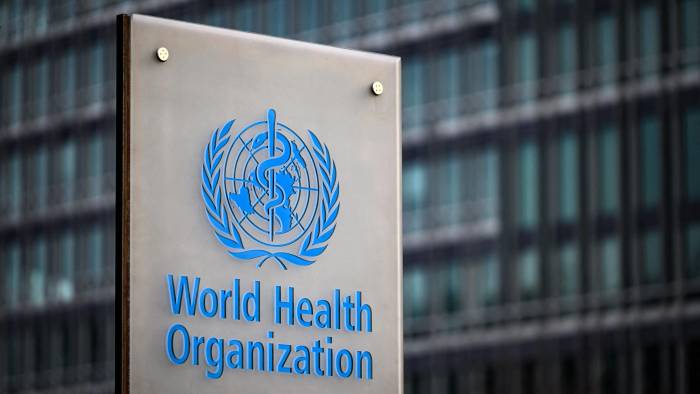
An international debate is unfolding over new proposals to require warning labels on alcoholic beverages, including wine, as the World Health Organization (WHO) pushes for stricter global standards. The process is taking place within Codex Alimentarius, a United Nations and WHO-backed body that sets voluntary food safety and trade standards. While Codex has operated quietly since its founding in 1961, recent moves have brought it into the spotlight.
The controversy began in 2017 when several countries suggested Codex should update its guidelines for alcohol labeling. Russia volunteered to lead the research and draft recommendations. However, after Russia invaded Ukraine in 2022, its role was sidelined amid international condemnation. With Russia out of the process, no other country initially stepped forward to take on the task.
In April 2024, the WHO formally requested that Codex develop new global standards for alcohol labeling. The WHO’s letter cited health concerns, stating that “ethanol is a toxic, psychoactive substance with dependence-producing propensities,” and noted that alcohol use contributed to 2.6 million deaths worldwide in 2019, accounting for 4.7% of the global burden of disease.
Despite this push from the WHO, Codex rules require a member nation to lead any new work. In October 2024, Tanzania volunteered to produce a research study on alcoholic beverage labeling for Codex’s consideration. Tanzania is Africa’s fifth-largest country by population but faces significant challenges in public health and scientific infrastructure. According to recent data, about 68% of Tanzanians live below the poverty line and one in eight suffers from malaria.
The decision to have Tanzania lead this effort has raised questions among industry groups and observers. Some critics argue that Tanzania lacks the scientific resources to guide global policy on alcohol labeling and suggest that the real work may be directed by WHO officials or advocacy groups with longstanding temperance agendas.
The United States has strongly objected to Codex taking up new alcohol labeling standards. In November 2024, while President Joe Biden was still in office, U.S. representatives submitted a formal objection. The U.S. argued that existing regulations are sufficient and that Codex should not act solely on WHO policy recommendations without broader member support. The U.S. also questioned whether such standards could be effectively standardized given cultural differences around alcohol consumption.
Industry groups in the U.S., including the Wine Institute and the Distilled Spirits Council of the United States (DISCUS), have expressed concern about potential impacts on international trade if new labeling requirements are adopted by countries that follow Codex guidelines. They point out that U.S. alcohol labels are already regulated by federal agencies such as the Tax and Trade Bureau (TTB) and Food and Drug Administration (FDA). They warn that new global standards could create confusion and disrupt exports if U.S.-compliant labels do not meet new international requirements.
Dr. Amanda Berger, Senior Vice President for Science and Research at DISCUS, said in a statement that “the initiation of work to develop a Codex alcohol labeling standard is unwarranted and unnecessary,” noting that current standards already allow member states to set their own rules.
The Wine Institute echoed these concerns, stating that “existing, relevant Codex standards already cover alcohol” and emphasizing appreciation for continued U.S. leadership in keeping Codex focused on areas where new standards are truly needed.
Codex’s recommendations are not binding; countries can choose whether or not to adopt them into national law. However, many nations use Codex guidelines as templates for their own regulations or as references in trade disputes.
The process of developing new standards at Codex is slow and consensus-driven, often taking years before any recommendations are finalized or adopted by member countries. With Tanzania now leading the research phase under WHO oversight, it remains unclear how far-reaching any proposed changes will be or how much influence they will have on major wine-producing countries like the United States.
As discussions continue within Codex committees, industry stakeholders are watching closely for developments that could affect both domestic regulations and international trade in wine and spirits. The unusual circumstances surrounding Tanzania’s leadership role have prompted calls for greater transparency about how decisions are made within these international bodies and who ultimately shapes global food and beverage policy.
