Global Wine Barrel Market Surges as Premium Wine Demand Drives $2.23 Billion Valuation by 2036
Rising interest in traditional barrel-aging and small-format oak barrels fuels robust growth across established and emerging wine regions.
Monday, March 23, 2026
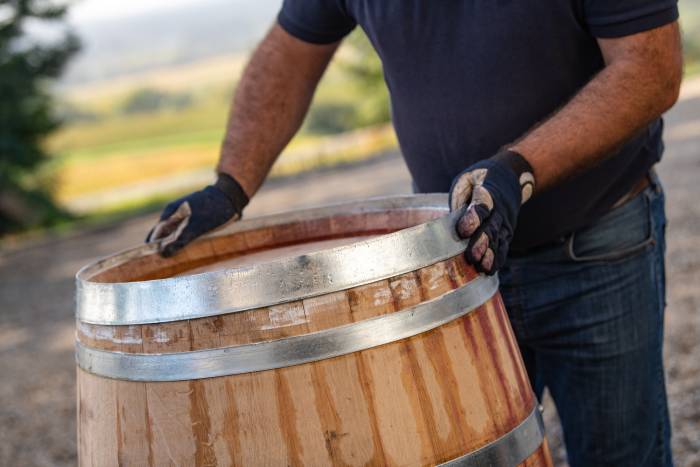
The global wine barrel market is showing strong growth as demand for premium and ultra-premium wines continues to rise. Industry analysts report that the market, valued at $1.13 billion in 2025, is expected to reach $1.27 billion in 2026 and grow to $2.23 billion by 2036. This represents a compound annual growth rate (CAGR) of 5.8% over the forecast period. The expansion is driven by the increasing importance of traditional barrel-aging techniques, which are widely recognized for enhancing wine flavor complexity, tannin structure, and overall product differentiation.
Wineries around the world are investing in high-quality cooperage solutions to support fermentation, aging, and maturation processes. Oak barrels remain the preferred choice, accounting for an estimated 68% share of the market in 2026. Oak’s unique properties allow for controlled micro-oxygenation and impart distinctive flavors such as vanilla, spice, and toast notes to wine. Small barrels, particularly those below 200 liters, are projected to lead with a 74% share due to their suitability for premium wine aging and craft production.
The market’s growth is further supported by expanding vineyard development and increasing global wine consumption. The rise of boutique wineries focused on premium production has also contributed to higher demand for specialized and small-format barrels. However, challenges remain, including limited oak resources, long seasoning cycles required for barrel production, and high capital costs associated with barrel programs.
Several structural factors are accelerating demand in the wine barrel market. The growing global appetite for high-quality wines is driving the need for traditional aging vessels. Investments in wineries and viticulture infrastructure are boosting barrel procurement across established and emerging wine regions. Barrel aging continues to be a key differentiator in premium wine production, especially among small-scale and craft producers who seek specialized barrels to create unique flavor profiles.
Emerging trends are also shaping the market landscape. There is increasing demand for customization of toast profiles, allowing winemakers to tailor flavor development through precision toasting techniques. Sustainable sourcing practices are gaining traction as wineries focus on certified oak sourcing and traceability. Hybrid oak solutions that integrate American, French, and alternative oak types are being adopted for both cost efficiency and flavor optimization. Additionally, there is rising interest in barrel lifecycle management through reconditioning and extended-use programs.
Regional growth rates vary significantly across key markets. China is projected to see an 8.1% CAGR through 2036, driven by rapid expansion of domestic wine production and vineyard investments. Chile follows with a 7.2% CAGR, supported by strong wine exports and premium positioning strategies. Australia’s market is expected to grow at 6.7%, led by boutique wineries and innovation in premium wines. The United States anticipates a 6.2% CAGR as craft wine production expands alongside the premium category. France maintains steady growth at 4.8%, reflecting its established cooperage heritage and sustained demand from premium estates.
Competition within the wine barrel industry remains robust among traditional cooperages and specialized manufacturers focused on quality, sourcing, and customization. Leading companies are investing in forest resource management, advanced seasoning techniques, and precision manufacturing processes to strengthen their positions in the market.
Looking ahead to 2036, opportunities in the wine barrel market will likely stem from continued growth in premium wine consumption, expanding vineyard investments, and increasing demand for customized cooperage solutions. Precision toast profiling, origin-specific oak sourcing, and geographic expansion into emerging wine regions present new avenues for growth. Sustainability initiatives and traceability systems are expected to play a critical role in future procurement strategies as consumer preferences shift toward complex flavor profiles and high-quality wine experiences.
As winemakers continue to prioritize product differentiation and premium positioning, wine barrels will remain central to modern winemaking practices worldwide.