














Champagne Industry Advances Oxygen-Free Cork Technology to Combat Oxidation
New process developed by Comité Champagne and Gai aims to improve wine preservation and support low-sulfur production methods
2025-09-09
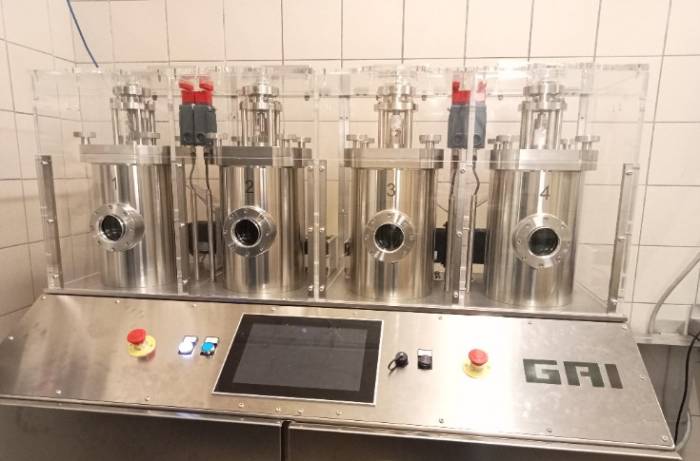
The Comité Champagne, the organization overseeing the production and quality standards of Champagne, has announced a significant development in the fight against oxidation in sparkling wines. In partnership with Gai, a manufacturer of bottling equipment, the Comité has made it possible to industrialize the use of oxygen-free corks and is now inviting Champagne houses to test this new process.
This innovation addresses a long-standing challenge in Champagne production. During the bottling process, there are two main stages where corks are inserted. The first stage, known as tirage, is well controlled. However, the second stage, which occurs after disgorgement (the removal of sediment), has been more problematic. At this point, traditional corks can release a substantial amount of oxygen into the wine—up to 80 percent of the total oxygen transferred over two years—within just a few months. This rapid release, known as desorption, can reach up to 3 milligrams per bottle in less than three months. According to Benoît Villedey, head of Engineering, Process and Innovations at Comité Champagne, this sudden influx of oxygen can cause oxidative shock, potentially altering aromas and accelerating aging, especially in wines with low or no added sulfites.
To address this issue, the Comité Champagne worked with Gai to develop a prototype machine capable of treating corks with nitrogen under controlled conditions. The process involves four key parameters: nitrogen pressure, treatment temperature, duration, and vacuum application. The current method uses a temperature of 35°C under vacuum for 20 days to remove oxygen from the cork without affecting its mechanical properties. The prototype operates at a vacuum level of around 100 mbar, but further improvements may be possible.
An accelerated version of the treatment has also been developed. For micro-agglomerated corks, the process takes three days; for traditional corks with natural discs, six days. This shorter treatment already reduces the amount of oxygen released by half—about 2 milligrams less per bottle. Villedey notes that this is a significant achievement given the efforts winemakers invest in minimizing oxygen exposure during Champagne production.
Initial results from blind tastings after six months show clear differences between wines sealed with treated versus untreated corks. Wines using inerted corks display less oxidative character and improved preservation potential. This could allow producers to reduce or even eliminate added sulfites and antioxidants in their dosage solutions—a key advantage for those seeking to make low-sulfur or sulfur-free Champagnes.
The Comité Champagne has shared these findings with all cork suppliers in the region and encouraged them to adopt this technology. The prototype machine is now available for use by Champagne producers who wish to test small batches—up to several hundred corks—on their own wines. Several producers have already expressed interest and will begin trials after the current harvest season.
One logistical challenge remains: once treated, the corks must be used within six to eight hours of exposure to air to maintain their technical performance. Solutions may include special packaging from cork suppliers or integrating the treatment process directly at production sites.
This new approach marks an important step toward comprehensive control over oxygen management in Champagne bottles. By reducing both headspace oxygen and desorption from corks, producers can better preserve wine quality throughout aging and potentially shift toward more natural winemaking practices. The Comité Champagne’s initiative opens new possibilities for both large houses and small growers seeking to improve their wines’ longevity and character while responding to consumer demand for fewer additives.

Founded in 2007, Vinetur® is a registered trademark of VGSC S.L. with a long history in the wine industry.
VGSC, S.L. with VAT number B70255591 is a spanish company legally registered in the Commercial Register of the city of Santiago de Compostela, with registration number: Bulletin 181, Reference 356049 in Volume 13, Page 107, Section 6, Sheet 45028, Entry 2.
Email: [email protected]
Headquarters and offices located in Vilagarcia de Arousa, Spain.