














Napa Valley Pinot Noir Faces Uncertain Future as Climate Change Alters Wine Country
Growers adapt to rising temperatures by exploring cooler regions and new grape varieties, reshaping California’s winemaking landscape.
2025-09-08
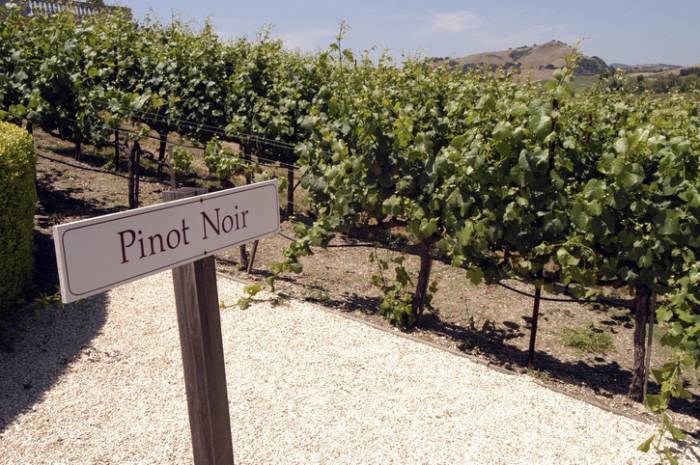
In Napa Valley’s Carneros region, grape growers are facing a new reality as climate change alters the landscape of California winemaking. For decades, Carneros has been known for producing some of the world’s best pinot noir, a grape that thrives in areas with warm days and cool nights. The region’s proximity to San Pablo Bay has long provided the ideal conditions for this delicate variety, but rising temperatures are now forcing vintners to reconsider their strategies.
Pinot noir is notoriously difficult to grow. Its thin skin and sensitivity to heat make it especially vulnerable to climate shifts. Unlike more robust varieties such as cabernet sauvignon, pinot noir requires a careful balance of acidity and sugar to achieve the complexity and elegance that have made it famous in both Burgundy and California. As temperatures climb, that balance is increasingly hard to maintain.
Research from the Scripps Institution of Oceanography shows that Napa’s grape-growing season now starts almost a month earlier than it did in the 1950s. This shift means grapes ripen faster, leading to higher sugar levels and lower acidity. The result is wines with higher alcohol content and less of the nuanced flavor profile that pinot noir enthusiasts prize.
Growers are responding by looking beyond Carneros for future plantings. Cooler regions like the Sonoma Coast, Anderson Valley, and especially the Petaluma Gap are attracting attention. The Petaluma Gap, which stretches between northern Marin and southern Sonoma counties, benefits from regular fog and wind that help moderate temperatures during the growing season.
Evan Pontoriero, owner of Fogline Vineyards, has focused much of his production on fruit from the Petaluma Gap and nearby Sonoma Mountain. He notes that reliable afternoon fog cools the vineyards quickly, creating ideal conditions for pinot noir’s slow ripening process. “It’s so reliable that you don’t really plan on barbecuing after 5,” he said. “It can get chilly.”
Pontoriero points out that while Carneros was once synonymous with top-quality pinot noir, climate change has shifted the conversation. Vineyards that were once world-renowned are now less frequently mentioned as benchmarks for the grape. Instead, interest is growing in sites with more consistent cool weather.
Ron Runnebaum, an associate professor at UC Davis specializing in enology and viticulture, says the Petaluma Gap’s rise as a prime pinot noir region is relatively recent. Historically, growers struggled to get fruit fully ripe there, but recent research shows both Carneros and Petaluma Gap can produce high-quality pinot noir under current conditions.
Some Carneros growers are hedging their bets by planting varieties better suited to warmer climates, such as merlot. Runnebaum explains that diversifying grape varieties can help mitigate risks from extreme weather events like heat waves, which can cause all grapes to ripen at once and overwhelm wineries during harvest.
Kaan Kurtural, a Napa Valley grape grower and former UC Davis professor, says awareness of climate change impacts has been growing since at least the 1980s. While Carneros still benefits from cooling influences off San Pablo Bay, other parts of Napa Valley have seen more dramatic temperature increases. In some cases, growing conditions now resemble those found decades ago in much hotter regions like Lodi.
Kurtural believes Carneros growers may eventually need to move away from pinot noir but estimates they have another 15 to 20 years before such a transition becomes urgent. In the meantime, growers are adapting by changing vineyard practices—such as leaving more leaves on vines for shade or using irrigation more aggressively—to help counteract higher temperatures.
Benjamin Leachman, director of viticulture at Walsh Vineyards Management in Napa Valley, says climate change is prompting widespread experimentation with alternative grape varieties and new trellis designs across Wine Country. Growers are making decisions now with an eye toward how their vineyards will perform over the next three decades.
Leachman also cautions against assuming uniform warming across all regions every year. He notes that recent summers have actually been cooler than average in some North Bay areas due to shifting weather patterns influenced by nearby bays and valleys. In 2023, some coastal vineyards struggled with fruit not ripening enough because of cold conditions—a reminder that climate variability remains a challenge.
Despite these changes, Leachman believes Carneros can still produce excellent pinot noir—though styles may shift toward rounder, richer wines rather than the acidic profiles favored in cooler years or regions like Oregon. He emphasizes the importance of matching specific pinot noir clones and rootstocks to each vineyard site to maximize quality under changing conditions.
For now, market demand continues to drive decisions as much as climate does. Pontoriero notes that high-end pinot noir remains in strong demand among buyers willing to pay for limited production wines from top sites. He remains optimistic about regions like the Petaluma Gap living up to their promise for future pinot noir production.
As California’s wine industry adapts to a changing climate, growers are weighing tradition against innovation in their efforts to preserve one of the world’s most celebrated grapes. The choices they make today will shape not only what ends up in consumers’ glasses but also the future identity of American wine itself.
