The promise of PIWI wines for a sustainable tomorrow
The untold story of fungus-resistant grape varieties and their role in the future of winemaking
2024-03-18
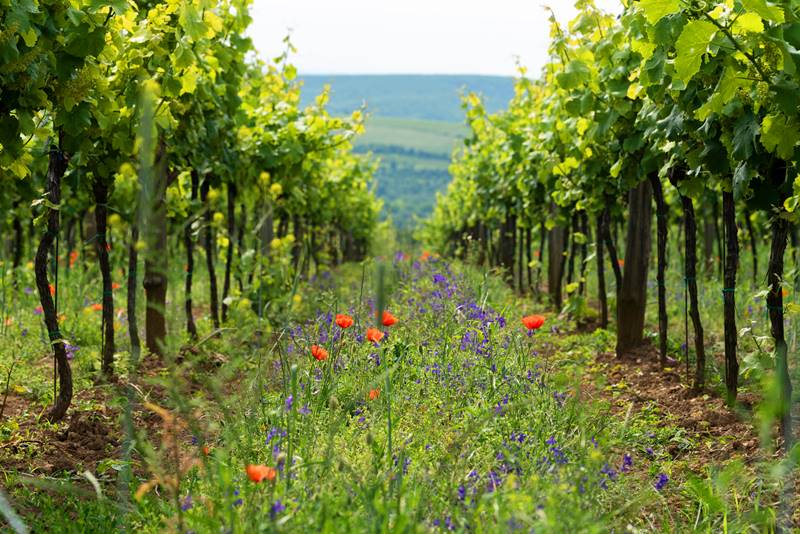
In the world of wine, a revolution is quietly fermenting, promising a future where our beloved vineyards are not only more sustainable but also more resilient against the whims of nature. At the heart of this transformation are PIWI wines, a term that might not roll off the tongue as smoothly as Merlot or Chardonnay but is sparking interest among those who foresee a greener, more sustainable viniculture.
PIWI stands for "pilzwiderstandsfähige Rebsorten", which translates to fungus-resistant grape varieties. These aren't your typical grapes; they're the result of dedicated breeding programs that aim to combine the best of both worlds: the resilience of wild grape varieties and the desirable traits of traditional wine grapes. The result is a new breed of vines that are less susceptible to fungal diseases, such as downy and powdery mildew, which have plagued vineyards for centuries.
Sustainability is more than just a buzzword in today's wine industry; it's a necessity. The traditional approach to combatting vine diseases relies heavily on chemical fungicides. While effective, this method has significant downsides, including environmental contamination and the carbon footprint associated with frequent tractor passes through the vineyards. PIWI varieties offer a compelling alternative. By reducing the need for chemical treatments, these grapes not only support the EU's "Green Deal" ambitions for a more sustainable agriculture but also contribute to a lower carbon footprint and less soil compaction in the vineyards.
One of the biggest hurdles PIWI varieties face is consumer acceptance. Wine enthusiasts tend to be creatures of habit, favoring familiar grapes like Riesling over newcomers like Johanniter, despite their similar profiles. There's also skepticism about the taste of wines produced from PIWI grapes. However, forward-thinking winemakers are proving that wines from these resistant varieties can stand shoulder to shoulder with their traditional counterparts in terms of flavor, complexity, and enjoyment.
Despite their advantages, PIWI varieties currently represent a small fraction of the global vineyard area. Resistance to change in the wine industry is strong, fueled by traditionalist views and a market that clings to well-known grape names. Yet, as climate change continues to challenge traditional viticulture, the appeal of PIWI grapes grows. They offer a viable path forward, balancing environmental sustainability with the production of high-quality wines.
Innovation in viticulture isn't just about embracing new technology; it's also about adopting new perspectives on what our vineyards can look like. In Württemberg, Germany, the Weinreuter family is leading by example. Over a decade ago, they began integrating PIWI varieties into their vineyards. Today, these grapes account for a significant portion of their vines, demonstrating that with care and expertise, PIWI wines can not only match but perhaps even exceed the quality and taste of wines from traditional varieties.
As the wine industry looks ahead, the adoption of PIWI varieties stands out as a key strategy for sustainable growth. These resilient grapes not only reduce the environmental impact of wine production but also offer a beacon of hope for regions increasingly affected by climate change. While it may take time for PIWI wines to find their place in the hearts and glasses of wine lovers worldwide, their potential is undeniable. They represent a future where sustainability and quality go hand in hand, inviting us to rethink what we plant in our vineyards and what we pour into our glasses.

Founded in 2007, Vinetur® is a registered trademark of VGSC S.L. with a long history in the wine industry.
VGSC, S.L. with VAT number B70255591 is a spanish company legally registered in the Commercial Register of the city of Santiago de Compostela, with registration number: Bulletin 181, Reference 356049 in Volume 13, Page 107, Section 6, Sheet 45028, Entry 2.
Email: [email protected]
Headquarters and offices located in Vilagarcia de Arousa, Spain.