How marine microbes might save grapevines
Marine microbes, a promising answer to climate change's threat to grapevines
Friday, August 4, 2023

Views › 974
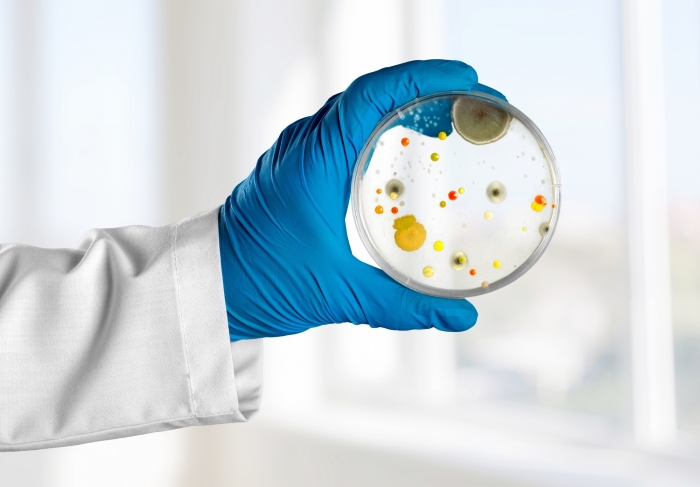
In Portugal, amidst sweltering temperatures that soared to 42C (107F), a set of grapevines stood under the punishing heat of an artificial heatwave. Yet, not all reacted the same. While some wilted under the sun, others seemed almost untouched. The reason? A unique treatment with marine microbes from Spanish salt marshes.
As climate change rages on, causing extreme weather events worldwide, winemakers are anxious. Rising temperatures can wreak havoc on grapevines, making grapes taste bitter and potentially killing the plants. To counteract these threats, a team of scientists recreated the conditions of a heatwave in a lab and used it as an opportunity to test a novel solution.
This laboratory heatwave was set up to mimic the exact conditions that many parts of southern Europe have been experiencing. During the experiment, a certain group of these grapevines was treated with a unique cocktail of bacteria harvested from salt marshes in Spain. While they still received water like their untreated counterparts, they seemed more resilient to the extreme heat.
João Carreiras, a PhD candidate in marine and environmental science at the University of Lisbon, expressed his astonishment, noting the surprising results. Vines exposed to one particular group of bacteria didn't wilt or exhibit discoloration in their leaves, showing almost no signs of stress.
Why would bacteria from salt marshes help? These marshes harbor plants that can withstand intense challenges like extreme heat, pollution, and salinity. Their robustness is potentially a result of their associated microbiomes that have evolved to thrive under such conditions. Carreiras believes that introducing these microbes to grapevines might confer a similar resilience.
For decades, scientists have toyed with the idea of enhancing plant growth and resistance by treating them with microbes from harsh environments. With advancements in DNA sequencing technologies, today's scientists can scrutinize marine microbes more meticulously, determining which ones could bolster plant health.
Moving beyond controlled environments, researchers are eager to see how these marine microbes perform in real-world vineyards. They've already begun pilot studies, collaborating with local wine producers who are keenly interested in their findings.
In May, Carreiras and his team treated 16-year-old grapevines and newly-planted ones in a Portuguese vineyard with their bacterial mix, eagerly awaiting results amidst the current heatwave. Plans are in place to devise alternative methods for microbial application, such as incorporating them into soil granules or directly with grapevine seeds.
Yet, the taste test remains. It's crucial to ensure that the introduction of these microbes doesn't compromise the wine's quality, altering acidity or sugar levels. Carreiras and his team are optimistic, hoping to sample grapes from their treated vines soon.
In an era marked by the rapid progression of climate change, winemakers are in dire need of solutions to safeguard their livelihoods. With grapevines integral to their industry, Carreiras remains hopeful that manipulating their microbiomes might be a key strategy for adaptation.