Kirin starts brewing Ichiban in South Korea through HiteJinro
The brewer aims to localize 75% of its South Korean volume by 2027 to cut delivery times in a fast-growing market.
Tuesday, October 13, 2026

Views › 2612
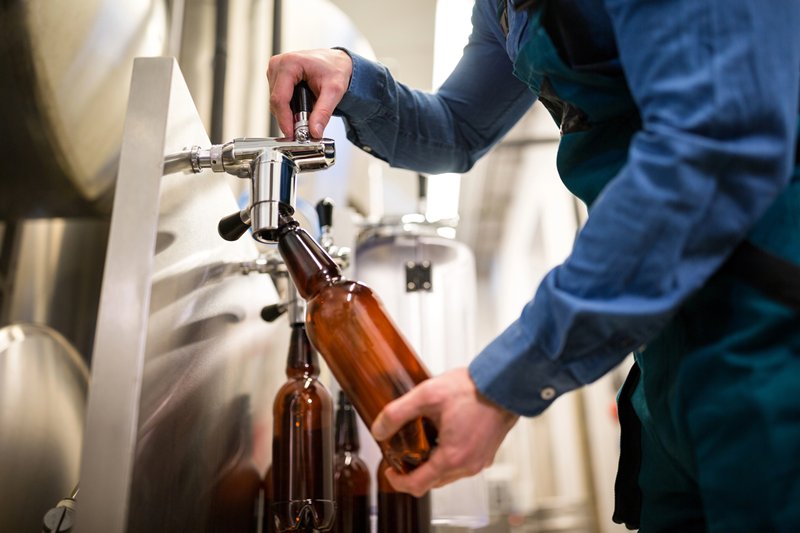
Kirin Holdings said Tuesday that it will begin local production of Kirin Ichiban in South Korea this month through HiteJinro, replacing part of the beer it has until now shipped from Japan as the Japanese brewer tries to shorten delivery times in a market where demand for Japanese beer has continued to grow.
The companies have set an initial production target of 1.5 million liters, equal to about 3 million 500-milliliter cans, according to Kirin. The company said the beer will be made locally under license in South Korea starting in October. Kirin also said it aims to produce locally 75% of the volume of Kirin sold in South Korea during 2027.
Kirin said the shift is meant to cut the logistics lead time for the brand in South Korea from about a month and a half to one or two weeks. A shorter supply cycle would allow the company to hold less stock in transit and respond faster to changes in demand. The company did not disclose investment figures, expected logistics savings, any change in prices, or the total annual sales volume of Kirin Ichiban in South Korea.
The move marks a change in how Kirin supplies one of its best-known brands to South Korean consumers. Until now, Kirin Ichiban sold in the country had been imported from Japan. By moving part of that supply to local production, Kirin is effectively substituting domestic manufacturing for imports in a market where Japanese beer has regained momentum in recent years.
The announcement comes as Japanese beer imports into South Korea remain high. South Korea imported 100,322 tons of Japanese beer in 2025, up 22% from a year earlier, according to market data cited by Seoul Economic Daily. That increase represents roughly 18,100 additional tons compared with the previous year using the published rate. The import figures cover all Japanese beer shipped into South Korea, not only Kirin products.
Yonhap reported that the value of Japanese beer imports into South Korea reached US$45.92 million in the first half of 2026. That was US$6.63 million, or 16.9%, above the previous first-half record set in 2018. That comparison is with the earlier record period, not a year-over-year figure.
Those numbers help explain why Kirin is trying to localize part of its supply chain instead of relying entirely on shipments from Japan. A shorter route from brewery to shelves can help a brewer react faster when sales change, especially in a category where demand can move with promotions, holidays, and weather. It can also reduce the amount of inventory tied up while goods are in transit across borders.
Kirin’s statement did not say how much of the remaining 25% of its expected 2027 volume in South Korea would still come from Japan, nor did it say whether the company may expand local production beyond the initial target. It also did not say whether the local production plan could be applied to other brands sold in South Korea.
The company’s plan was reported by Kirin and Seoul Economic Daily on Tuesday, while Yonhap published related market figures on Monday. Kirin described the 1.5 million liters as an initial production goal rather than output already completed. Its 75% target for 2027 is also a goal, not a result.
That distinction matters because the scale of the change will depend on execution over the next year. If Kirin meets its target, most of the Kirin volume it sells in South Korea next year would no longer need to be imported from Japan. That could affect shipping patterns between the two countries, even if overall South Korean demand for Japanese beer remains strong.
The company did not provide details on the structure of its arrangement with HiteJinro beyond saying production will take place locally. HiteJinro is one of South Korea’s largest beverage companies and is widely known in the domestic alcohol market. Kirin did not say whether the local output would be limited to certain sales channels or regions within South Korea.
The broader market backdrop has changed significantly from the period when Japanese beer sales in South Korea were hit by political tensions and consumer boycotts. The latest import data show that Japanese beer has recovered strongly, and Kirin’s decision suggests the company sees the market as large enough and stable enough to justify a local manufacturing model for at least part of its business.
For retailers and distributors, a shorter lead time can mean quicker replenishment and a lower risk of stock shortages when demand rises. For Kirin, local production may also help align supply more closely with sales without waiting weeks for imports to arrive. The company, however, gave no estimate of how much faster store inventories could be replenished in practice beyond the reduction in logistics time to one or two weeks.
Kirin’s announcement does not mean South Korea will stop importing Japanese beer. The import data cited in the market reports refer to the entire category, and Kirin has said only that it wants to localize most of its own volume in the country next year. Even so, the decision is notable because it shifts part of the value chain for a Japanese beer brand from cross-border trade to manufacturing inside South Korea at a time when consumer demand for the category remains solid.