California’s wine glut sends Napa cabernet into private labels for $9.99
Retailers including Costco and Kroger are bottling surplus premium wine under store brands at steep discounts.
Thursday, October 8, 2026
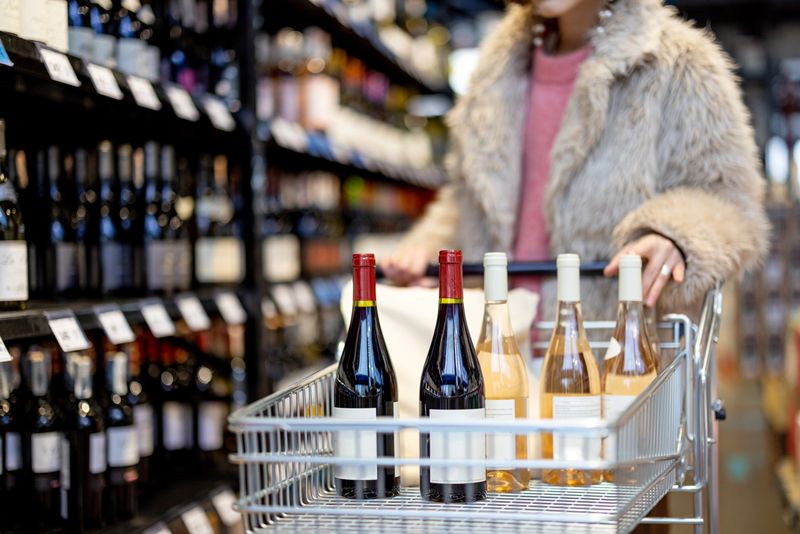
California’s wine surplus is pushing more premium bottles into supermarket and warehouse private labels, giving shoppers access to Napa and other high-end wines at prices far below what the same producers might charge under their own names.
The shift is most visible at large retailers such as Costco, Kroger, Aldi and Grocery Outlet, where buyers say wines that would normally sell at wineries or under established labels for $45, $85 or even $150 are appearing under store-controlled or exclusive labels for less than $30, and in some cases for under $10.
The pricing reflects a supply-demand imbalance that has been building for several years in California, which produces about 80% of U.S. wine. Consumption has slowed, leaving wineries and grape growers with more wine than the market is absorbing. To move inventory, some producers are selling finished wine in bulk or through closeout deals, allowing retailers and private-label companies to bottle and sell it under different names.
At Kroger, the effect is showing up in product quality as well as price. Curtis Mann, the grocer’s vice president of wine, beer and spirits, said the chain went from having no wines in its portfolio with scores of 90 or higher from well-known reviewers to having 20 such wines over the past two months.
Steve Beckner, direct import and private-label wine buyer for Grocery Outlet, said he has not seen conditions like this in nearly 30 years in the business. He said the quality available to value-focused chains has risen sharply as more wineries look for ways to clear excess stock.
One example he cited was a Napa Valley cabernet sauvignon that he said could sell for $45 to $85 under a winery label but is being offered at Grocery Outlet for as low as $9.99 under the company’s Second Cheapest Wine private label. Beckner said the size of the offers coming to buyers has also changed. When he started in 2018, he typically saw bulk opportunities in the range of 1,000 to 3,000 cases. Now, he said, offers can reach 20,000 to 200,000 cases.
Taylor Case, president of Navigator Wine Collection, which buys from vineyards and sells wine under labels including Gearbox, Motif and Decoded, described a similar market. He said there is still a large amount of unsold wine available and that he recently tasted a Napa Valley cabernet that he knows retails for $149 but that his company plans to sell for $29.99.
For wineries, the choice is often between discounting discreetly or holding inventory that may become harder to sell. Excess wine can be moved through branded closeouts, sold in bulk to be bottled by another company, blended into later releases or, in the worst case, destroyed. Private labels often do not identify the original source, a feature that can help producers protect the image and pricing of their flagship brands while still generating cash from unsold wine.
That dynamic matters beyond consumer bargains. In the beverage sector, a prolonged oversupply can put more pressure on grape prices and on winery-branded bottles, while increasing the negotiating power of big retailers that control shelf space for wine, beer and spirits. If the current environment continues, it could reshape pricing across parts of the alcohol market, especially for producers trying to defend premium positioning while still moving volume.
The current glut is being driven by several factors cited by industry executives and market observers. Americans are drinking less alcohol in some categories. Inflation has pressured household spending. Some in the industry also point to the side effects of GLP-1 weight-loss drugs, which can reduce appetite and, in some cases, interest in drinking. Whatever the mix of causes, the result is a broad excess of supply in California and other U.S. wine regions.
Peter Baedeker, owner of Santa Barbara-based consulting firm Baedeker Wine, said this is one of the best periods he has seen for consumers in nearly 30 years in the industry. Andrew Cullen, who runs an Atlanta-based blog reviewing wines sold at Costco, said the quality of wines on those shelves has been improving while prices have stayed flat or even declined. Costco recently cut the price of its Kirkland Signature Stags Leap Cabernet Sauvignon to $19.99 from $22.99.
Even so, the appeal of private labels has limits. Some buyers still prefer wines with a known producer and a clear story behind the bottle, especially when buying gifts or bottles for special occasions. For everyday drinking, however, lower prices are making store brands more attractive to a wider group of customers.
Private labels are also one of the few areas of growth in a difficult market. Silicon Valley Bank’s 2026 State of the U.S. Wine Industry report said demand is rising in private-label and exclusive-label wines sold by retailers including Costco, Kroger and Aldi. Rob McMillan, executive vice president of the bank’s wine division, said in a videocast tied to the report that private label is the one segment that is growing. The report said some producers are using what it described as a positive form of discounting to bring in value-oriented consumers while protecting the price image of their main brands and helping reduce the backlog of bulk wine.
Growers are facing a harder reality. Turrentine Brokerage said in its August 2026 wine market report that the industry has already taken what it called drastic but necessary steps to address the imbalance, yet residual overproduction from prior years still has to be worked through. Case said he would not want to be a grower in the current market.
One way the industry is trying to correct the problem is by producing less. Some winemakers are pulling out vineyards, replacing grape acreage with other crops or reducing output on purpose. Kerith Overstreet, founder of Bruliam Wines in Windsor, California, said her company deliberately made less wine this year than in the past. She said yields across the region have also fallen because of volatile weather. At Bruliam’s Russian River Valley vineyard, yields are down 30% from a 2024 high.
Overstreet said the lower yields are helping the market move toward balance. Case said the correction is still likely to take time and estimated it could take another 12 to 24 months for the current oversupply to clear completely.