Chilean vineyard trials cut powdery mildew fungicide use by 55%
Researchers at seven wineries used weather data and field monitoring to reduce spraying across 87 hectares without losing control.
Wednesday, August 26, 2026
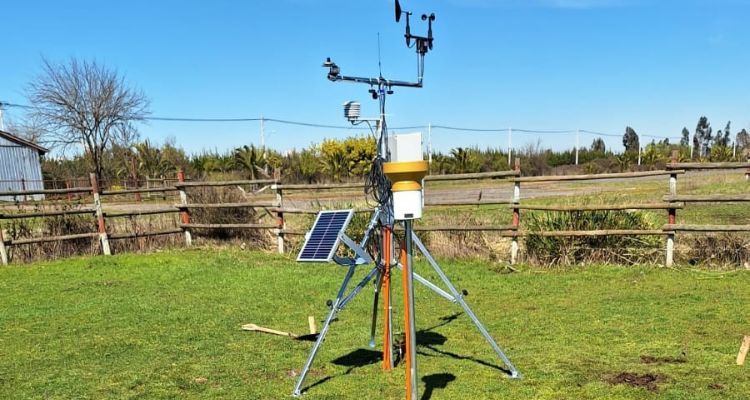
A Chilean wine industry research group said Wednesday that pilot vineyard trials cut fungicide applications for powdery mildew by an average of 55% compared with conventional schedules while keeping the disease under control, a result that could lower costs and reduce unnecessary spraying in one of the country’s most important farm sectors.
The work was carried out by the Climate Change Program of Consorcio I+D Vinos de Chile, a research and development consortium tied to the Chilean wine sector. According to the group, the trials covered 14 pilot vineyard blocks at seven wineries, for a total of 87 hectares.
Powdery mildew, known in Spanish as oídio, is one of the most persistent diseases in grape growing. Because infection risk can remain high for much of the season, many growers rely on preventive spray programs that follow a regular calendar. The Chilean trials tested a different approach. Instead of treating vineyards on a fixed schedule, researchers combined local weather data, the Gubler-Thomas climate risk index and direct field monitoring of symptoms to decide when an application was actually needed.
The group said that approach allowed technical teams to adjust treatments to conditions in each block rather than follow a standard program. In the pilot sites, that led to an average 55% reduction in applications while maintaining what the consortium described as adequate disease control.
The results were released by the consortium in a statement that framed the project as applied research aimed at helping vineyards make more precise decisions under increasingly variable weather conditions. The organization said the goal was not simply to spray less, but to use climate and field data to better identify periods of real risk and avoid treatments when the disease threat did not justify them.
Patricio Parra, manager of Consorcio I+D Vinos de Chile, said the experience showed how research can be turned into practical tools for vineyard managers. He said combining climate information with direct vineyard monitoring made it possible to tailor management to the real conditions of each block and avoid applications when risk levels were low.
The consortium also said the findings should not be treated as a fixed formula for all vineyards. It noted that the pilot results apply to the specific blocks studied and may vary depending on the characteristics of each site. Among the factors that can affect outcomes are grape variety, the disease history of the block, the training system and the level of vegetative growth. In that sense, the research is being presented less as a universal reduction target than as evidence that data-based management can improve timing decisions.
The project is part of a broader effort by the consortium to help Chilean wine producers adapt to climate pressure. The group said its Climate Change Program has also developed and validated predictive models for frost and heat waves. Those tools are supported by a network of 52 weather stations installed in 52 fields belonging to 25 wineries, stretching from the Coquimbo Region in northern Chile to Los Lagos in the south.
The weather information is centralized through Datavid, the consortium’s agroclimatic platform, which is designed to turn meteorological data into management information for vineyards. The powdery mildew work adds another layer to that strategy by linking local weather readings to disease risk and field observations, a combination that researchers say can help growers move away from routine treatment schedules.
For Chile’s wine industry, the issue has both economic and environmental weight. Vineyard spraying programs are a major operating expense, and pressure to improve sustainability has increased as producers face tighter margins, changing climate patterns and closer scrutiny over chemical use. A system that reduces interventions without losing disease control could affect labor planning, input costs and the overall environmental footprint of vineyard operations.
The consortium said the next step is technology transfer. It plans to hold free workshops in September for growers, farm managers, advisers and technical teams to share the powdery mildew findings, along with its frost and heat prediction models and canopy management strategies. The sessions are intended to expand the use of the tools beyond research plots and into commercial production settings across the country.