Pilot-Scale Pervaporation Improved Cabernet Sauvignon Grape Spirit Aroma
A new study found that scaling the membrane process beyond the lab preserved more desirable volatile compounds and raised sensory acceptance.
2026-07-31
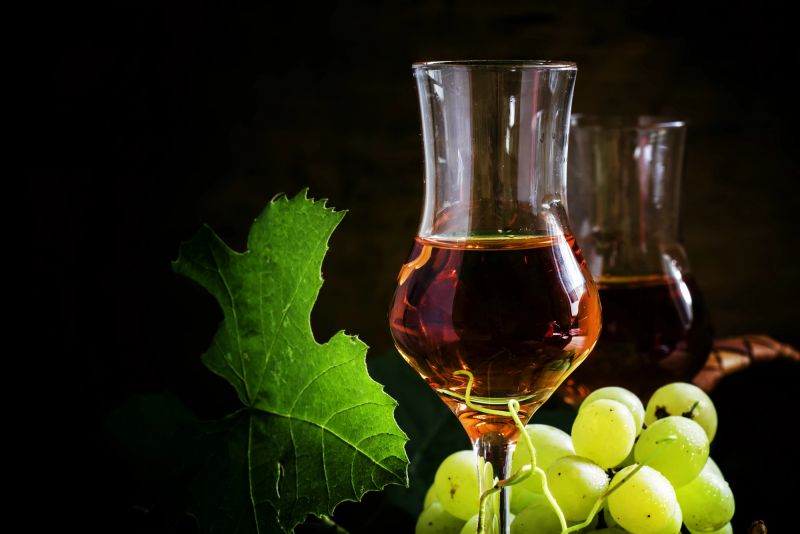
A study published in Food Research International found that scaling up pervaporation from the laboratory to a pilot plant improved the aromatic profile and sensory acceptance of a Cabernet Sauvignon grape spirit, offering new evidence that the membrane-based separation method may work better when moved closer to industrial conditions.
The research examined how pervaporation, a technique used to selectively remove volatile compounds from alcoholic beverages, changed the composition and perceived quality of a distilled grape spirit made from Cabernet Sauvignon. The authors compared two processing scales, one in the laboratory and one at pilot scale, to see whether the shift in size affected the retention of aroma compounds that shape flavor and consumer perception.
According to the study record available through PubMed, the researchers used advanced analytical methods to measure differences in volatile compounds after treatment. They found that the pilot-scale process preserved more of the desirable volatile compounds than the laboratory-scale version. That difference was reflected in sensory testing, where spirits treated at pilot scale showed stronger aromatic intensity and higher overall acceptance.
The work adds to a growing body of research on membrane technologies in beverage production, especially in products where aroma is central to quality. In distilled beverages made from grapes and other fruits, small changes in volatile composition can alter floral, fruity and varietal notes, as well as the balance between intensity and finesse. By showing that scale itself can influence which compounds are retained, the study points to a practical issue for producers who want to move promising processing methods out of research settings and into commercial use.
That matters for the drinks sector because many separation technologies perform differently once they leave the bench and enter larger systems with different flow rates, temperatures and operating conditions. For distillers and other beverage makers, the ability to scale a process while keeping aroma quality and sensory consistency could affect product development, premium positioning and production planning. The findings suggest that pilot-scale validation may be essential before companies judge whether pervaporation can help deliver a targeted style or improve quality in finished spirits.
The authors described pervaporation as a promising technique for selectively removing volatile compounds from alcoholic beverages. In practice, that makes it relevant not only for grape spirits but also for other categories where producers may want tighter control over aroma expression. The study did not present the technology as a universal solution, but its results indicate that larger-scale operation may offer advantages over laboratory trials when the goal is to preserve desirable aromatic compounds.
The paper focused specifically on Cabernet Sauvignon grape spirit, a product whose sensory identity depends heavily on volatile molecules carried through processing. The reported improvement in aromatic intensity at pilot scale suggests that process design can shape not just chemical outcomes measured by instruments but also how consumers or trained tasters experience the final drink.
The study’s findings may be especially useful for producers evaluating new processing tools at a time when beverage companies are under pressure to innovate without sacrificing consistency. A method that appears effective in a controlled lab environment can lose value if it does not translate well to larger production systems. In this case, the reported gains at pilot scale indicate that scaling up pervaporation may support higher-quality distillates with more precise aroma profiles rather than weaken them.
The researchers concluded that their results support the potential use of scaled pervaporation technology in beverage production aimed at improving distillate quality and shaping aroma characteristics more deliberately.
