Wine Study Finds Flavor Combinations That Deter Hesitant Drinkers
The Wine Market Council says high tannin and low sweetness can sharply reduce appeal among uncertain consumers.
2026-05-20
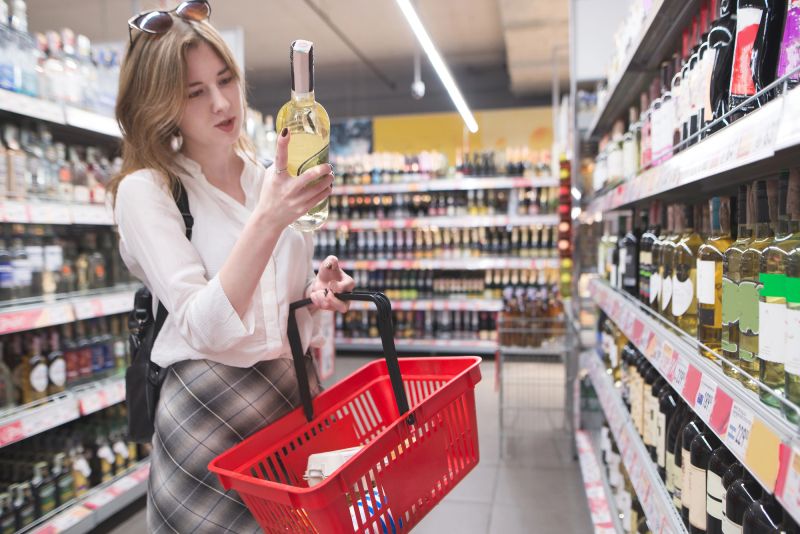
The Wine Market Council said on Tuesday that it will hold a member webinar later this month to present findings from a new consumer taste study that points to specific flavor combinations that can discourage hesitant wine drinkers.
The webinar, titled “Taste Matters: What ‘Wine-Hesitant’ Consumers Want in Their Wine,” is scheduled for May 27 at 10 a.m. Pacific time and will be open to council members and the press. The group said the session will focus on results from a two-part study that combined 3,386 blind consumer wine tastings with a national survey of 1,000 consumers who described themselves as wine-hesitant.
The council said the research was designed to better understand why some shoppers struggle to choose wine and what sensory traits shape their decisions. According to the organization, earlier research has shown that many marginal and new wine consumers are discouraged by difficulty finding wines that match their personal tastes and by broad assumptions about how wine should taste.
Liz Thach, the council’s president, said in a statement that the study points to opportunities for wine brands to align products and messaging more closely with consumer preferences. Christian Miller, the council’s research director, said the central issue is not finding one formula that appeals to everyone, but making it easier for more consumers to identify wines that fit their palates.
One of the clearest findings came from Roger Noujeim, chief executive of Quini, the research partner on the project. He said that among wine-hesitant consumers, wines with high tannin or astringency combined with low perceived sweetness carried a recommendation score penalty of about 8 points. Astringency by itself, he said, was nearly uncorrelated with dislike. That suggests that it is not one isolated trait but certain flavor combinations that push hesitant consumers away.
The study was developed with Quini, a company that focuses on consumer sensory data and technology tools. The webinar agenda includes an introduction by Thach, followed by presentations from Noujeim and Miller on database analysis results, survey findings and recommendations, along with question-and-answer sessions.
Wine Market Council, a nonprofit founded in 1996, said its mission is to conduct market research on U.S. wine consumer buying habits, attitudes and trends. Membership starts at $400 a year, depending on organization size, and includes access to webinars, reports and other research materials.
For wineries and marketers, the findings add data to a long-running challenge in the U.S. wine market: how to reduce uncertainty for shoppers who do not yet know what styles they like. The council said the study shows that clearer flavor information may matter as much as product quality when consumers decide whether to buy a bottle and which one to choose.
