Madeira’s Vineyards Shrink Under Real Estate Pressure
Land prices on the Portuguese island are rising as vineyard owners sell plots for development, threatening the wine made only there.
2026-05-20
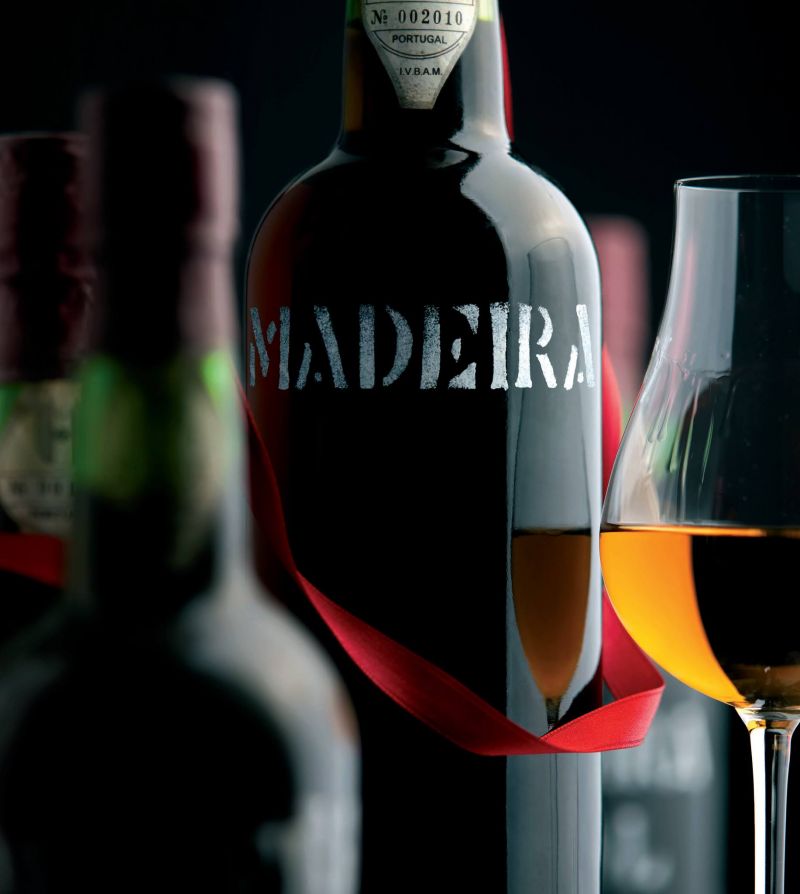
The wine of Madeira, the Portuguese island where Cristiano Ronaldo was born, is facing an unexpected threat: the real estate boom that has pushed land prices higher and is steadily reducing the vineyards that make the fortified wine possible.
Madeira has produced its signature wine for about 500 years, since the age of Portuguese exploration, when barrels carried on long sea voyages were transformed by heat, motion and oxidation. What began as an accident at sea became a style prized for its structure, high acidity and long life in bottle. Today, that tradition is under pressure from a different force entirely: property development.
The island has become a magnet for wealthy buyers from Europe looking for mild weather, safety and prices that still seem attractive compared with much of the continent. In 2024, house prices in Madeira rose 12.6%, according to the figures cited in the original report. As demand for land has increased, some vineyard owners have chosen to sell plots for construction rather than continue farming them. The result is a slow but steady loss of vineyard area on an island where authentic Madeira wine can be made only from grapes grown there.
The decline is visible in the number of growers. The island had 1,315 viticulturists in 2014. That figure has fallen to about 1,100 today. On the south coast, where sunlight is stronger and land values are highest, the pressure is especially intense. Many vineyards sit on steep slopes built into terraces over centuries, which makes mechanization nearly impossible and farming expensive and labor-intensive. For families who have worked those plots for generations, selling can make more financial sense than continuing to produce grapes for a market that pays far less than real estate.
Madeira wine itself remains one of the most distinctive fortified wines in the world. Producers use four main white grape varieties: Sercial, Verdelho, Bual and Malmsey, also known as Malvasia. Sercial is the driest style, with sharp acidity and notes of citrus and almond. Verdelho sits in the middle, with a little more sweetness and flavors of dried fruit and smoke. Bual is richer and often moves toward dessert territory with notes of fig and caramel. Malmsey is the sweetest and most opulent style, long associated with European courts.
The wine’s production methods also set it apart. One common technique, estufagem, heats the wine in temperature-controlled chambers for at least three months to speed up oxidation and aging. The more traditional method, canteiro, ages barrels slowly in warm lofts under roofs heated by the sun, sometimes for years or decades. Both methods create wines known for their durability; bottles from the 19th century can still be found in good condition.
Producers say that if vineyards disappear, there is no substitute source outside the island. That reality has pushed some companies to rethink how they present Madeira to consumers. Blandy’s, one of the best-known houses on the island and founded in 1811 by an English family that remained based there, introduced a new line in 2024 called Unconventional Madeira. The bottles use clear glass and colorful labels designed to make the wines easier to read for younger drinkers and for consumers who may know spirits better than fortified wine.
The company’s goal is to widen demand at a time when supply is becoming harder to protect. The strategy reflects a broader concern among producers: if Madeira cannot attract new drinkers while its vineyards keep shrinking under development pressure, one of Portugal’s oldest wine traditions could become harder to sustain on the island where it was born.

Founded in 2007, Vinetur® is a registered trademark of VGSC S.L. with a long history in the wine industry.
VGSC, S.L. with VAT number B70255591 is a spanish company legally registered in the Commercial Register of the city of Santiago de Compostela, with registration number: Bulletin 181, Reference 356049 in Volume 13, Page 107, Section 6, Sheet 45028, Entry 2.
Email: [email protected]
Headquarters and offices located in Vilagarcia de Arousa, Spain.