EU warns dry weather raises crop stress in southern Germany
Soil moisture has fallen below average since March, putting winter crops under pressure as the growing season advances
2026-05-19
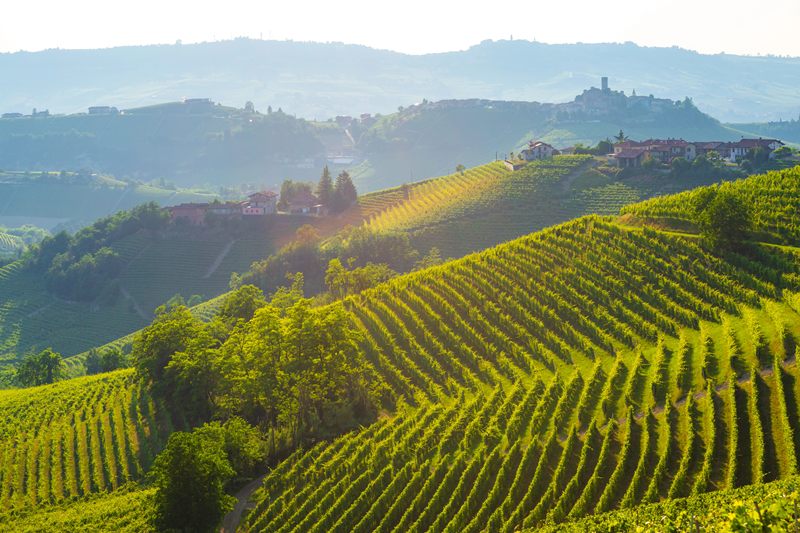
The European Commission’s Joint Research Centre said Monday that crop conditions across Europe remain generally favorable, but warned that below-average rainfall since March has lowered soil moisture in parts of southern and southwestern Germany, raising the risk of water stress as the growing season advances.
In its latest MARS Bulletin, the research arm of the European Union said winter crops are developing well overall and that spring sowing is nearing completion in many regions. But it added that persistent rainfall deficits in central, eastern and northern Europe have slowed biomass accumulation and left some fields under pressure. In Germany, the concern is concentrated in the south and southwest, where precipitation has been below normal for several weeks.
The bulletin said recent rain brought only partial relief in some areas and that more wet weather is forecast in parts of central and southeastern Europe. Even so, crop conditions in several regions still need close monitoring, especially where soil moisture deficits have built up since early spring.
The JRC said yield forecasts were trimmed slightly this month to reflect those limiting conditions, though they remain largely in line with or above the five-year average. For Germany’s growers, that means the outlook is still workable, but increasingly dependent on rainfall at a time when crops are entering stages that can be sensitive to moisture shortages.
The report also noted that late frost events may have affected rapeseed locally in parts of central and eastern Europe, while cool and wet weather has delayed spring sowing in southeastern Europe and Türkiye. In eastern Romania and Bulgaria, maize and sunflower planting has been slowed by wet fields, which could leave crops more exposed later in the summer if heat returns quickly.
For Germany, the main issue remains the combination of dry weather since March and declining soil moisture. The bulletin said those conditions have raised concerns about emerging water stress in south-eastern and south-western Germany, along with Austria, Czechia, Slovakia, Slovenia, Croatia and Hungary. Recent rainfall helped somewhat, but not enough to remove the need for continued monitoring.
The JRC said its assessment is based on updated agricultural information used to track crop development and forecast yields across Europe. The bulletin is intended to help farmers, agronomists and policymakers adjust field management decisions as weather patterns shift from week to week.
