South African Wine Gains Tariff-Free Entry Into China
The new trade arrangement could help exporters cut costs in a key market where price often decides shelf space.
2026-05-04
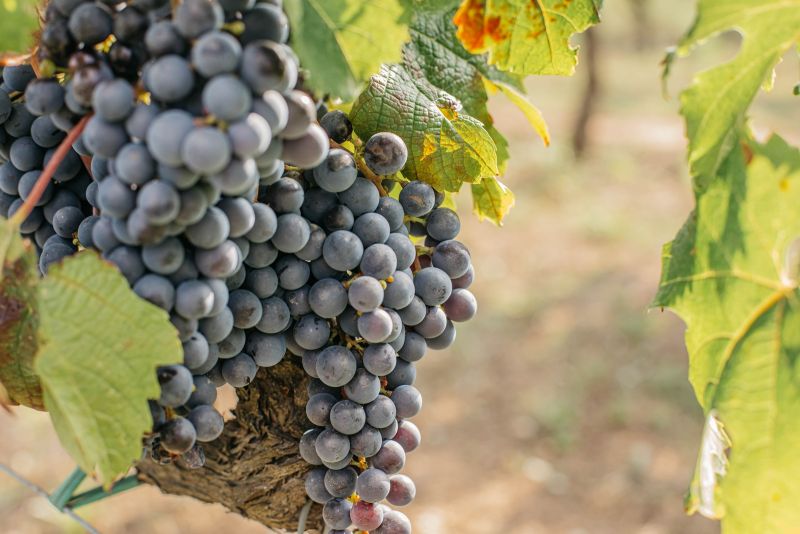
South Africa’s wine industry is set to gain a price advantage in China after a new tariff-free trade arrangement took effect on Friday, removing duties that had ranged from 14% to 20% on South African wine and other farm exports.
The change comes under the China-Africa Economic Partnership Agreement, which allows goods from South Africa and 52 other African countries to enter China without tariffs. For wine producers, the move could make bottled and bulk shipments more competitive in a market where price has often determined whether South African labels could win shelf space or contracts.
Wandile Sihlobo, chief economist at the Agricultural Business Chamber of South Africa, said the removal of tariffs should improve the standing of South African agricultural products in China, especially in categories that had faced higher import costs than rivals from countries with existing trade deals. He said wine producers had been paying between 14% and 20%, depending on whether the product was shipped in bulk or bottled, while macadamia growers faced duties of about 12%.
For wineries, the timing matters because China remains an important export market for premium and midpriced wines, even as global demand shifts and competition intensifies. Lower landed costs in China could help South African exporters negotiate better terms with importers and distributors, particularly if they can use the tariff savings to narrow the gap with competitors from Australia, Chile and Europe.
The agreement also covers other agricultural products that have struggled with tariffs in China, including macadamias from KwaZulu-Natal and Mpumalanga. Industry officials say the tariff removal could support volumes if Chinese buyers respond to lower prices with stronger orders.
Still, the deal is not without complications. Sihlobo said it is set to last two years, and he warned that reciprocity could create pressure later if South Africa is expected to open its own market more widely to Chinese goods. That could affect sectors beyond agriculture, including manufacturing and autos, where local producers already face intense competition.
For now, though, wine exporters are likely to see the immediate benefit. A tariff-free entry into China gives South African producers a clearer path into one of the world’s largest consumer markets at a time when many are looking for new growth outside traditional export destinations.
