Mediterranean Diet and Moderate Wine Linked to 33% Drop in Mortality, Spanish Study Finds
Benefits vanish with higher wine intake, highlighting the importance of overall diet rather than alcohol alone, researchers caution
2026-03-12
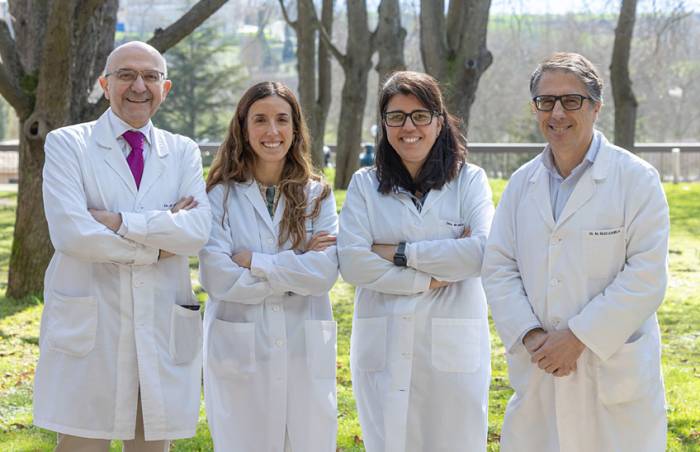
A new study led by researchers from the University of Navarra and Hospital Clinic of Barcelona has found that moderate wine consumption, when combined with a high adherence to the Mediterranean diet, is associated with a 33% reduction in overall mortality. The findings, published in the European Heart Journal, are based on data from more than 18,000 participants followed for over 20 years. The research analyzed two major Spanish cohorts: the PREDIMED trial and the SUN study, both focused on diet and health outcomes.
The study’s main innovation is its separate analysis of wine’s role within the Mediterranean dietary pattern. This approach allowed researchers to distinguish whether health benefits were due to wine itself, other alcoholic beverages, or the overall diet. In the PREDIMED trial, participants who closely followed the Mediterranean diet but did not drink wine saw a 23% reduction in total mortality. When moderate wine consumption—defined as at least seven glasses per week but less than three per day—was included, the reduction increased to 33%. However, this benefit disappeared when consumption reached or exceeded three glasses daily.
When data from both PREDIMED and SUN were combined, only those who maintained both a high-quality Mediterranean diet and moderate wine intake showed a significant association with lower mortality. The study also found a lower incidence of major cardiovascular events, such as heart attacks and strokes, among this group.
Dr. Miguel Ángel Martínez-González, lead author and professor of Preventive Medicine and Public Health at the University of Navarra, emphasized that these results do not suggest wine or alcohol are beneficial on their own. Instead, he said the favorable effect appears only within the context of a well-followed Mediterranean diet and low-to-moderate alcohol intake. He cautioned against interpreting the findings as a general recommendation to drink wine or alcohol.
The research challenges the idea of a universal protective effect from wine and highlights the importance of overall dietary patterns rather than focusing on individual foods or drinks. Dr. Martínez-González noted that red wine’s potential benefits seem to depend on other anti-inflammatory components typical of the Mediterranean diet, such as extra virgin olive oil, legumes, fruits, vegetables, and nuts.
The study was conducted in collaboration with several institutions including IDIBAPS in Barcelona and other universities and health centers across Spain. Much of the research team is also affiliated with the Navarra Institute for Health Research (IdiSNA) and CIBERObn under Spain’s Carlos III Health Institute. Funding came from public sources including the Carlos III Health Institute and the Government of Navarra, as well as food industry donations of olive oil and nuts for PREDIMED participants.
To further investigate these findings, researchers have launched the UNATI project (University of Navarra Alumni Trialists Initiative), which aims to be the world’s largest intervention trial on alcohol consumption and health. The project involves more than 500 doctors nationwide and has already enrolled over 7,000 participants in Spain, with a goal of reaching 10,000. UNATI will compare moderate alcohol consumption with abstention to determine whether observed effects are due to alcohol itself or other healthy lifestyle factors associated with the Mediterranean way of life.
The ongoing trial is open to new volunteers—men and women aged 50 to 75 who regularly consume alcohol. In addition to cardiovascular health and cancer risk assessments, UNATI includes objective tests and systematic controls for accuracy. The project is funded by a €2.5 million Advanced Grant from the European Research Council (ERC), along with support from the Government of Navarra, Harvard University, and Spain’s Carlos III Health Institute.

Founded in 2007, Vinetur® is a registered trademark of VGSC S.L. with a long history in the wine industry.
VGSC, S.L. with VAT number B70255591 is a spanish company legally registered in the Commercial Register of the city of Santiago de Compostela, with registration number: Bulletin 181, Reference 356049 in Volume 13, Page 107, Section 6, Sheet 45028, Entry 2.
Email: [email protected]
Headquarters and offices located in Vilagarcia de Arousa, Spain.