Alcohol-Free Wines Gain Popularity as Global Sales Surge Toward $3.3 Billion
Health-conscious consumers drive demand for dealcoholized wines, but experts question processing methods and nutritional benefits
Thursday, March 5, 2026
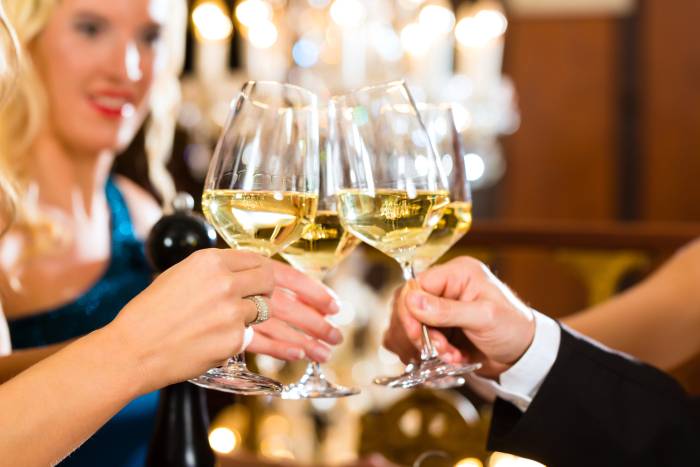
Alcohol-removed wines are gaining ground among health-conscious consumers in the United States and worldwide. Once considered a niche product, these wines now represent a growing market segment. Global sales of dealcoholized wine reached $2.4 billion and are projected to climb to $3.3 billion by 2028, according to industry data. Despite this growth, alcohol-free wines still account for only about 1% of total wine consumption worldwide.
The appeal of dealcoholized wine extends to a diverse group of consumers. These include people who abstain from alcohol for health or religious reasons, pregnant women, drivers, individuals taking medication, and those following calorie-restricted diets or athletic lifestyles. The trend fits into a broader movement toward wellness and mindful consumption.
Traditional wine has long been associated with certain health benefits, such as protection against depression and cognitive decline, as well as antioxidant and anti-inflammatory properties—especially in red varieties. However, experts at Smartfood, the nutrition science program at the European Institute of Oncology in Milan, say that only wines with 0.0% alcohol can be considered truly healthy. The absence of ethanol is a key advantage: less alcohol means fewer calories. A standard glass of traditional wine contains between 90 and 130 calories, roughly equivalent to four or more sugar cubes. In contrast, a glass of dealcoholized wine typically contains between 20 and 50 calories, depending on residual grape sugars.
The process used to remove alcohol from wine is central to the debate over its healthfulness. Alcohol is usually extracted through reverse osmosis or vacuum distillation. Both methods can strip away beneficial compounds such as polyphenols, which producers are working to preserve as much as possible.
Industry analysts have raised concerns about the degree of processing involved in making alcohol-free wines. Ananda Roy, Senior Vice President and Industry Advisor at Circana, explained in a recent interview that No-Lo (no- and low-alcohol) beverages are essentially ultra-processed products. Removing alcohol requires an additional production step that increases costs and can diminish natural aromas. To compensate for lost flavors, manufacturers often add extra flavorings and sometimes more sugar—precisely what calorie-conscious consumers may wish to avoid.
Roy warned that as dealcoholized wines move from niche to mainstream status, consumers may begin scrutinizing their nutritional content more closely. If they discover higher levels of additives or sugar than expected, they may question whether these beverages are truly healthier alternatives to traditional wine.
Producers face the challenge of balancing consumer demand for lower-calorie options with the need to maintain flavor and nutritional value. As the market for alcohol-free wines continues to expand, both industry leaders and health experts agree that transparency about ingredients and processing methods will be crucial in shaping consumer trust and future growth in this evolving segment.