French lawmaker proposes health warnings on alcoholic drinks above 17.9% strength
The amendment to France’s 2027 Social Security bill would fine noncompliant companies 2% of annual domestic revenue
Saturday, October 17, 2026
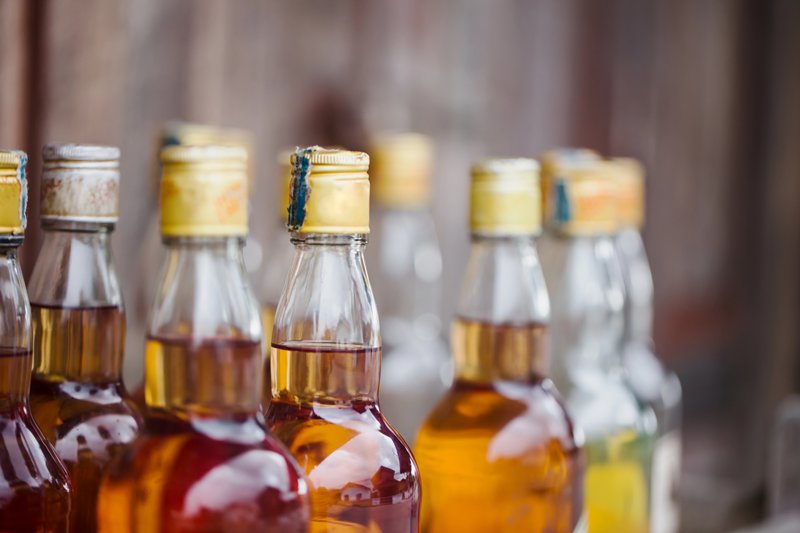
A French lawmaker has introduced an amendment to the country’s 2027 Social Security financing bill that would require health warnings on alcoholic drinks above 17.9% alcohol by volume and impose a 2% levy on companies that fail to comply.
The amendment was filed on Oct. 16 by Sandrine Runel, according to the text published by Pappers Politique. It would add new language to Article L. 3322-2 of France’s public health code, requiring all packaging units for drinks above that alcohol threshold to carry a health message stating that alcohol is dangerous to health. The exact display rules would be set later by an order from the health minister if the measure becomes law.
The proposal also sets out a financial penalty for producers or other companies that place products on the market without the required warning. Under the amendment, those companies would have to pay a contribution equal to 2% of annual revenue before tax earned in France, based on the last closed financial year and calculated across all products and services. The text says the contribution would be collected and audited by the social security collection bodies referenced in French law, using the same rules and sanctions that apply to social security contributions. The proceeds would go to France’s national health insurance fund.
In its explanatory note, the amendment says it is intended to make the warning “Alcohol is dangerous for health” mandatory on all alcoholic beverage containers with an alcohol content of 18% or more. The legal wording in the proposed article refers to drinks with “more than 17.9% vol.,” which points to the same practical threshold but uses slightly different phrasing.
The justification for the measure relies heavily on public health arguments. Citing France’s national institute of health and medical research, Inserm, the amendment says any alcohol consumption is harmful to health and has no protective effect. It also says alcohol is the leading cause of hospitalization in France and one of the top three causes of avoidable death. According to the same text, alcohol is linked to around 60 diseases, including cancers and cardiovascular disease.
The amendment argues that current labeling rules leave a gap in consumer information. It says that, aside from the existing warning directed at pregnant women under the same article of the public health code, many alcoholic drinks sold in France carry no prevention message. The author says that gap is more troubling for stronger beverages because they make it easier to consume several standard drinks in a single occasion.
As an example, the explanatory note points to a 25-centiliter can of a 22% beverage identified as Vody, saying it is equivalent to more than four vodka servings. The text adds that this pattern remains common among young people, and says 28.3% of high school students have engaged in heavy episodic drinking during the previous month. It also argues that some of these drinks use visual codes similar to soft drinks, which can create confusion.
The proposal matters for the beverage industry because, if approved, it could create new labeling obligations for distillers, importers, and sellers of high-strength ready-to-drink products, as well as some fortified wines and other beverages above the threshold. Standard beer and most table wine would generally fall below 17.9%, but spirits and other stronger products would be more directly affected. The 2% contribution described in the amendment could also raise compliance risks for companies operating in France, since the levy would be based on annual domestic revenue rather than on the sales of a single noncompliant product.
At this stage, the measure remains a proposal within the parliamentary process tied to the Social Security budget for 2027. Lawmakers would still need to review and approve it before it could take effect. If it advances, it could add France to the list of countries considering tougher alcohol labeling rules as health authorities and legislators push for more visible consumer warnings on products with higher alcohol content.