Portugal offers €12 million to Douro growers who leave grapes unharvested
Applications close Oct. 12 for grants that pay producers for grapes left on the vines in 2026/27.
Saturday, October 10, 2026
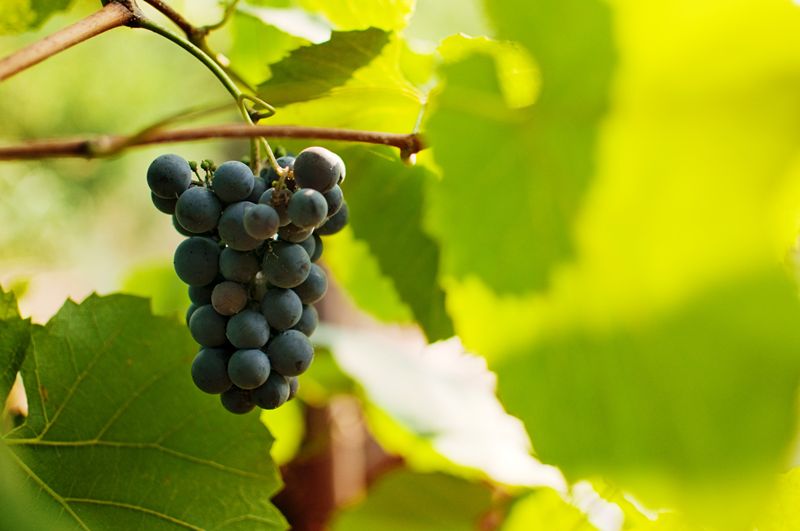
Portugal’s government is offering €12 million in aid to Douro grape growers who leave part of their crop unharvested, in an effort to ease the crisis affecting the country’s best known wine region.
The measure, approved on Sept. 4, creates a non-repayable support program for grapes that will not be picked in the 2026/27 season, according to Jornal Económico, citing Lusa. Applications are open only until Oct. 12, and payments will be made by the Douro and Port Wine Institute, known as the IVDP, based on the quantity of grapes left on the vines.
The program is one of the government’s “rapid response” steps for the Douro, where growers have faced mounting strain. By compensating producers for fruit they do not harvest, Lisbon is trying to reduce supply while protecting vineyard income in the short term.
That matters beyond farm policy. The Douro is central to Portugal’s wine business, especially for Port and other wines tied to the region, so any official effort to curb output and cushion growers’ earnings could affect the balance of supply, prices, and producer stability across an important part of the beverage sector.
The aid is structured as a grant rather than a loan, which means eligible producers will not have to repay the money. The amount each grower receives will depend on how much grape volume is not collected, with the IVDP responsible for calculating and disbursing the support under the rules of the scheme.
The short application window shows the government is treating the situation as urgent. Growers who want to use the measure must file their requests before the Oct. 12 deadline if they want to be considered for compensation under the current framework.
The decision reflects an unusual form of intervention in a wine region where harvest volume has direct implications for both producers’ incomes and market conditions. Instead of encouraging full collection of the crop, the state is paying some growers to leave grapes in the vineyard, a move aimed at managing pressure in the region rather than increasing immediate output.
The Douro, in northern Portugal, is one of the country’s most important wine-producing areas and a major source of grapes for Port as well as still wines. Because of that role, policy changes there are closely watched by growers, wineries, exporters, and traders. A state-backed reduction in harvested fruit may help relieve pressure on a market facing stress, but it also underlines the depth of the difficulties confronting producers in the region.
Jornal Económico reported that the program was designed specifically to mitigate the crisis in the Douro. The government has not framed the measure as a long-term solution, but as an immediate support tool meant to respond quickly during the current season. For growers now deciding whether to harvest every parcel, the aid offers a direct financial alternative at a time when the economics of bringing all grapes to market have come under pressure.