Oak Barrels Alter Wine Tannins Within Months
Study finds that toast level changes how oak-derived compounds are released and transformed during aging
Friday, May 22, 2026
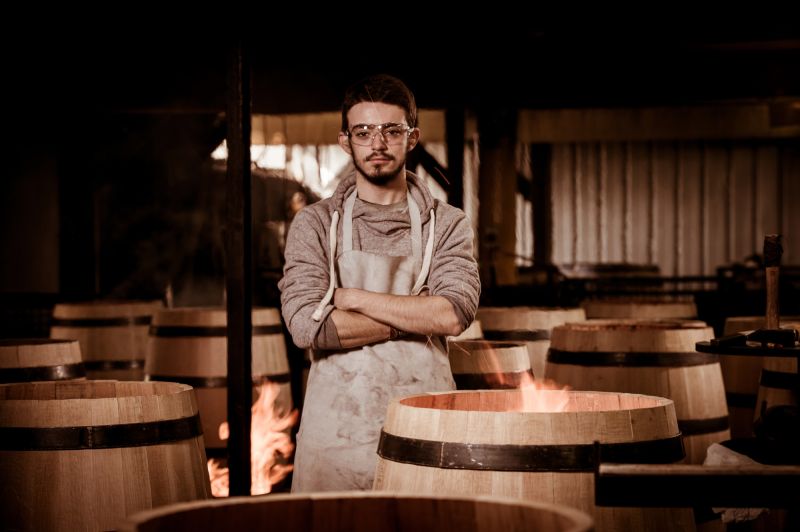
A study published Wednesday in OENO One found that the chemistry of oak barrels changes quickly during wine aging and that toast level can shape how key tannins move into a wine-like liquid over time.
The research followed a model wine solution for 12 months in two first-use French oak barrels made from Quercus robur and Quercus petraea, one with a light-plus toast and the other with a medium-plus toast. The liquid contained 12.5% ethanol and tartaric acid at a pH of 3.5, conditions meant to mimic wine while removing many of the variables found in real cellars. Samples were taken every month.
The team focused on C-glucosidic ellagitannins, a family of oak-derived polyphenols that help shape structure, bitterness and astringency in wine. These compounds are known to be reactive, which makes them difficult to track once they leave the wood and enter the liquid.
The study found that monomeric ellagitannins rose sharply early in aging. Castalagin, one of the main compounds measured, increased from 29.83 mg/L to 115.98 mg/L in the light-plus toasted barrel within the first eight months. Dimeric forms increased more slowly and reached a plateau around month six, with roburin D, the main dimer quantified, at about 15.25 mg/L.
The researchers also detected a range of derived compounds from the first month of contact. These included oxidized forms, hydrolyzed products and ethanol adducts, all of which accumulated over time. The findings suggest that barrel aging is not only a matter of extraction from wood but also of ongoing chemical transformation once those compounds are in solution.
Toast level mattered. The two barrels did not behave identically, showing that heat treatment during cooperage can influence both how much tannin is released and how stable it remains afterward. The study adds detail to a part of winemaking that is often discussed in sensory terms but less often mapped at the molecular level.
The authors said their work could help winemakers better control extraction and stability during barrel aging, especially as producers try to manage texture and balance in finished wines. By isolating the oak effect in a model system, the study offers a clearer view of how these compounds evolve before other wine components complicate the picture.
Oak aging has long been used to add complexity to wine, but the paper shows that the process is also a sequence of chemical shifts that begins soon after liquid meets wood and continues for months inside the barrel.